Table of Contents
Finding the perfect glass coffee carafe feels like searching for a needle in a haystack these days. With countless options flooding the market, each promising crystal-clear clarity and unbreakable durability, how do you separate genuine quality from clever marketing? Whether you’re a casual coffee drinker who enjoys a morning pour-over or a serious enthusiast brewing multiple batches daily, understanding what makes a carafe truly exceptional will transform your coffee experience from frustrating to flawless.
After extensive hands-on evaluation of dozens of glass coffee carafes, we’ve discovered that the best models share specific characteristics that go far beyond what you can see in product photos. This comprehensive guide cuts through the noise to reveal exactly what features matter most for both visual appeal and long-lasting performance. We’ll explore the science behind durable glass construction, the design elements that prevent those annoying drips and spills, and the maintenance secrets that keep your carafe sparkling for years.
Top 10 Glass Coffee Carafes
Detailed Product Reviews
1. Bodum 34oz Pour Over Coffee Maker, High-Heat Borosilicate Glass with Reusable Stainless Steel Filter and Cork Grip - Made in Portugal

Overview: The Bodum 34oz Pour Over Coffee Maker brings Portuguese craftsmanship to your morning ritual. This manual brewer features heat-resistant borosilicate glass, a permanent stainless steel mesh filter, and an eye-catching cork grip. Designed to produce eight 4-ounce cups, it eliminates paper filters while extracting maximum flavor from your grounds.
What Makes It Stand Out: The most distinctive feature is the functional cork band that provides insulation and a secure grip while adding rustic elegance. Unlike paper filters, the fine stainless steel mesh preserves aromatic oils and subtle flavor compounds, delivering a fuller-bodied cup. Its single-wall carafe and minimalist design make it both a brewing device and attractive serving vessel.
Value for Money: Priced in the mid-range for pour-over systems, this Bodum offers excellent long-term value. The permanent filter eliminates ongoing paper filter costs, and the durable borosilicate glass withstands thermal shock. Comparable systems require separate carafes and drippers, making this integrated design cost-effective for daily manual brewing.
Strengths and Weaknesses: Strengths: Elegant Portuguese design with functional cork grip; Reusable steel filter enhances flavor and reduces waste; Generous 34oz capacity for multiple servings; Dishwasher safe for easy maintenance; Durable heat-resistant glass construction.
Weaknesses: Single-wall design loses heat faster than double-wall alternatives; Cork requires careful cleaning to prevent mold; Coarse grounds necessary to prevent sediment; No measurement markings on carafe; Plastic lid feels less premium than glass.
Bottom Line: The Bodum Pour Over Maker excels for those prioritizing design and flavor clarity. While heat retention could be better, its permanent filter and elegant aesthetics make it a worthwhile investment for manual coffee enthusiasts who appreciate European styling and sustainable brewing.
2. Hiware 600ml Coffee Server, Standard Glass Coffee Carafe, Coffee Pot, Clear
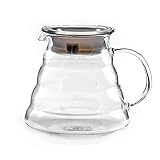
Overview: The Hiware 600ml Coffee Server is a purpose-built glass carafe designed exclusively for pour-over brewing. This clear borosilicate glass vessel features interior ridges to facilitate water movement and prevent heat loss. Compact and functional, it serves as a reliable companion for cone drippers, particularly the Hario V60.
What Makes It Stand Out: Its specialized design includes a rubber lid that doubles as a dripper support, accommodating ceramic drippers alongside the V60. The server is microwave-safe and heat-proof, offering versatility beyond brewing. The interior ridges are a thoughtful touch that actively improve extraction by guiding water flow.
Value for Money: This is one of the most affordable dedicated coffee servers available. While basic, it delivers essential functionality without unnecessary frills. For V60 owners seeking a matching server, it costs significantly less than Hario’s branded option while maintaining compatibility with stands and accessories.
Strengths and Weaknesses: Strengths: Excellent V60 compatibility with snug dripper fit; Heat-proof and microwave-safe borosilicate glass; Interior ridges improve water distribution; Rubber lid provides versatile dripper support; Unconditional satisfaction guarantee; Dishwasher safe.
Weaknesses: Small 600ml capacity limits serving size; No handle makes pouring hot coffee tricky; Lacks measurement markings; Single-wall construction offers minimal insulation; Does not include a filter or dripper; Basic aesthetic lacks design flair.
Bottom Line: The Hiware server is a functional, budget-friendly choice for pour-over purists who already own a dripper. Its compatibility and heat resistance make it practical, though the small capacity and lack of handle may limit its appeal for those serving multiple cups regularly.
3. 12-Cup Replacement Glass Coffee Carafe for Cuisinart Coffee Maker Models DCC-1200, DCC-1100BK, DCC-2650, CHW-12, CHW-12P1, DGB-550BK, DGB-550BK1, DGB-625BC, DGB-700BC, and SS-12 | Part# DCC-1200PRC

Overview: This replacement carafe is engineered to fit over 20 Cuisinart coffee maker models, offering a direct OEM-quality alternative at a fraction of the price. Made from BPA-free borosilicate glass with a DuraLife reinforced design, it features a comfortable grip handle and dripless spout for precise pouring.
What Makes It Stand Out: The extensive compatibility list is unmatched, covering numerous DCC and DGB series machines. The DuraLife construction includes reinforced glass and a sturdy handle designed for extended lifespan. The wide-mouth opening allows hand cleaning without brushes, addressing a common pain point with narrow carafes.
Value for Money: Costing 50-70% less than official Cuisinart replacements, this carafe delivers identical functionality. The heat-resistant borosilicate construction matches OEM specifications, making it a smart financial decision for anyone who’s broken their original carafe. It’s essentially an insurance policy against future accidents.
Strengths and Weaknesses: Strengths: Perfect compatibility with 20+ Cuisinart models; DuraLife reinforced glass and handle; Wide mouth for easy cleaning; Dripless spout design; Heat-resistant borosilicate construction; BPA-free materials.
Weaknesses: Not original manufacturer part; Hand washing recommended despite dishwasher safety; Potential slight variations in fit; Lacks thermal carafe insulation; No measurement markings visible from all angles; Limited to specific Cuisinart models.
Bottom Line: For Cuisinart owners facing a broken carafe, this replacement is a no-brainer. It matches OEM performance at a significantly lower price point. While purists may prefer official parts, the quality construction and perfect compatibility make it an excellent value-driven alternative.
4. Hario V60 Glass Coffee Server, 1000ml, Black
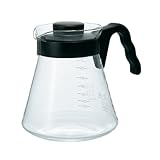
Overview: The Hario V60 Glass Coffee Server exemplifies Japanese minimalist design with functional excellence. This 1000ml server features heatproof borosilicate glass, measurement lines, and a ergonomic handle. Specifically designed for V60 size 03 drippers, it accommodates 1-6 cups and minimizes table contact to retain heat effectively.
What Makes It Stand Out: Hario’s signature heatproof glass is thicker and more durable than competitors, while the elevated base design cleverly reduces heat transfer to surfaces. Clear measurement lines eliminate guesswork, and the narrow opening creates a perfect seal with V60 drippers. The black accent version adds subtle sophistication to the laboratory-like aesthetic.
Value for Money: As a premium Japanese-made product, it commands a higher price than generic servers. However, the exceptional build quality, thoughtful design details, and perfect V60 integration justify the cost for serious enthusiasts. It’s an investment piece that outlasts cheaper alternatives.
Strengths and Weaknesses: Strengths: Superior heat retention through elevated base design; Thick, durable Japanese heatproof glass; Precise measurement markings; Ergonomic handle for safe pouring; Perfect V60 size 03 compatibility; Minimalist aesthetic; Dishwasher safe.
Weaknesses: Premium pricing; Limited to V60 size 03 drippers; 1000ml may be excessive for solo brewers; Single-wall construction; No lid included; Black accent may not suit all kitchens; Heavier than plastic alternatives.
Bottom Line: The Hario V60 Server is the definitive choice for V60 purists who value precision and durability. While expensive, its heat retention features and flawless compatibility make it worth the premium. For dedicated pour-over enthusiasts, this is the benchmark server.
5. COSORI Pour Over Coffee Maker with Double Layer Stainless Steel Filter, 8-Cup, 34oz, Drip Coffee Maker, Coffee Dripper Brewer, High Heat Resistant Carafe, also for Camping, Hiking

Overview: The COSORI Pour Over Coffee Maker is a complete brewing system featuring a 34oz borosilicate glass carafe and innovative double-layer stainless steel filter. Designed for both home and outdoor use, it includes a protective wooden sleeve and produces eight 4-ounce cups. All materials are BPA-free and dishwasher safe.
What Makes It Stand Out: The dual-layer 304 stainless steel filter is the star feature, preventing grounds while allowing flavorful oils to pass through. The carafe’s stove-top compatibility on low flame adds versatility for camping. The removable wooden sleeve provides insulation and grip without sacrificing the minimalist aesthetic.
Value for Money: This all-in-one system offers remarkable value, including carafe, filter, and accessories at a price competitive with single components from premium brands. The durable construction and outdoor versatility eliminate need for separate camping gear, making it economically attractive for multi-purpose use.
Strengths and Weaknesses: Strengths: Innovative double-layer filter prevents sediment; Stove-safe carafe for camping; Protective wooden sleeve with tie; Complete all-in-one system; BPA-free materials; Dishwasher safe components; Large 34oz capacity.
Weaknesses: Wooden sleeve requires separate cleaning; Double filter may slow drawdown; No measurement markings; Sleeve can slip if not secured; Stove use requires careful flame control; Lid not included; Aesthetic may not suit all users.
Bottom Line: The COSORI system is ideal for those wanting versatility between kitchen and campsite. The double-filter design produces clean, flavorful coffee, though the wooden sleeve requires extra care. For budget-conscious buyers seeking a complete, adaptable solution, it’s an excellent choice.
6. IMUSA 4cup Glass Replacement Carafe with Black Handle

Overview: The IMUSA 4-Cup Glass Replacement Carafe is a purpose-built solution for owners of specific IMUSA espresso machine models. Designed to hold up to four cups of rich espresso, this clear glass carafe with a black handle serves as a direct replacement for broken or worn components, ensuring your machine remains functional without requiring a complete replacement.
What Makes It Stand Out: This carafe’s primary distinction lies in its guaranteed compatibility with GAU-18202 and GAU-18215 espresso machines, eliminating the guesswork often associated with finding replacement parts. The integrated measurement indicators allow for precise brewing, while the cool-touch handle and secure plastic lid prioritize user safety during operation. Its pour spout is engineered for clean, controlled serving.
Value for Money: Priced as an affordable replacement component, this carafe offers exceptional value by extending the life of your existing espresso machine. Rather than investing in an entirely new unit, users can restore functionality for a fraction of the cost. While generic alternatives might seem cheaper, the perfect fit and model-specific design prevent leaks and ensure optimal performance.
Strengths and Weaknesses: Strengths include precise model compatibility, safety-focused design with cool-touch handle, clear measurement markings, and an affordable price point. The transparent glass allows easy monitoring of the brewing process. Weaknesses are its limited compatibility (only works with two specific models), relatively small 4-cup capacity, and plastic components that may wear over time. It’s not suitable for standard drip coffee makers.
Bottom Line: For owners of compatible IMUSA espresso machines, this replacement carafe is an essential, cost-effective solution that restores full functionality. Its safety features and precise design make it a worthwhile investment, though its narrow compatibility limits its appeal to a specific user base. Verify your model number before purchasing.
7. BUNN Coffee Pot Decanter/Carafe, 2 Black Regular and 1 Orange Decaf, 12 Cup Capacity, Set of 3
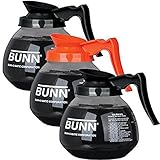
Overview: This professional-grade set from BUNN includes three 12-cup glass decanters designed for high-volume coffee service environments. The package contains two black-handled carafes for regular coffee and one distinctive orange-handled decanter for decaffeinated brews, implementing a color-coded system that prevents service errors in busy commercial settings.
What Makes It Stand Out: BUNN’s laboratory-grade stress-free glass construction sets these decanters apart from standard consumer carafes. The proprietary high-temperature printing process ensures logos and markings remain intact through countless cycles of heavy use and commercial washing. Their perfectly balanced design and shatter-resistant properties withstand the rigors of daily temperature fluctuations in demanding commercial environments.
Value for Money: While priced significantly higher than consumer alternatives, this three-pack delivers exceptional value for coffee shops, restaurants, and offices. The durability translates to fewer replacements over time, and the color-coding system reduces costly serving mistakes. For commercial buyers, the long-term reliability justifies the premium investment.
Strengths and Weaknesses: Strengths include commercial-grade durability, intelligent color-coded system, shatter-resistant glass, professional aesthetic, and exceptional longevity. The precise manufacturing ensures consistent performance. Weaknesses include a premium price point unsuitable for most home users, lack of measurement markings mentioned in features, and a utilitarian design that may not suit modern kitchen aesthetics. They’re overkill for low-volume home brewing.
Bottom Line: This BUNN set is an outstanding investment for commercial coffee service operations requiring durable, error-proof equipment. Home users should seek more affordable alternatives unless they frequently entertain large groups. For businesses, the quality and color-coding system make this indispensable.
8. Hario V60 Glass Range Coffee Server, 800ml, Black
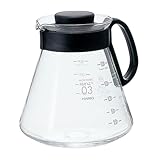
Overview: The Hario V60 Glass Range Coffee Server is a specialized 800ml carafe engineered specifically for pour-over coffee enthusiasts. Designed in Japan to complement Hario’s iconic V60 dripper system, this server combines functional precision with minimalist aesthetics for the specialty coffee brewing ritual.
What Makes It Stand Out: This server’s standout feature is its seamless integration with V60 size 02 drippers, creating a unified brewing system. The heatproof borosilicate glass construction retains temperature exceptionally well, while the unique base design minimizes surface contact to keep coffee warm longer. Measurement lines ensure precise brewing ratios, and the microwave-safe design adds versatility for reheating.
Value for Money: Positioned at a premium price point, the Hario server justifies its cost through superior heat retention, impeccable craftsmanship, and specialized design. For pour-over devotees, the enhanced brewing experience and durability outweigh cheaper alternatives. It’s an investment in coffee quality rather than just a container.
Strengths and Weaknesses: Strengths include excellent heat retention, perfect V60 compatibility, elegant minimalist design, microwave safety, and durable borosilicate glass. The measurement lines aid consistency. Weaknesses include limited versatility (designed specifically for V60), fragility if dropped despite thick glass, and a premium price that may deter casual coffee drinkers. The 800ml capacity may be insufficient for large gatherings.
Bottom Line: This is an essential accessory for V60 pour-over enthusiasts who prioritize temperature stability and aesthetic cohesion. While not ideal for general drip coffee makers, its specialized design and quality make it worth every penny for those committed to the pour-over method. A beautiful, functional piece for serious home baristas.
9. SYBO Coffee Pot Decanter, 12-Cup Glass Coffee Decanter Black

Overview: The SYBO 12-Cup Glass Coffee Decanter positions itself as a professional-grade replacement option compatible with most standard drip coffee makers. Featuring laboratory-grade stress-free glass construction, this black-handled carafe aims to deliver commercial durability for home and office environments without the premium price tag of industry-leading brands.
What Makes It Stand Out: SYBO distinguishes itself through its proprietary drip-free spout design, which arcs the coffee stream to prevent counter and cup messes—a common frustration with generic carafes. The company’s commitment to earth-friendly materials using food-grade polymeric connections appeals to environmentally conscious consumers. The ergonomic handle design ensures comfortable pouring even when full.
Value for Money: This decanter offers compelling mid-range value, bridging the gap between cheap, short-lived replacements and expensive commercial brands. The combination of laboratory-grade glass, eco-friendly materials, and thoughtful engineering at a moderate price point makes it an attractive upgrade from basic carafes.
Strengths and Weaknesses: Strengths include the innovative drip-free pouring system, ergonomic handle, temperature-resistant construction, eco-friendly materials, and lack of flavor aftertaste. The glass cleans easily and maintains clarity. Weaknesses include limited brand recognition compared to BUNN or Hario, unspecified compatibility with particular coffee maker models, and a generic aesthetic that lacks distinctive design appeal. Durability claims are unproven over years of use.
Bottom Line: The SYBO decanter is a smart choice for users seeking a reliable, mess-free coffee carafe without breaking the bank. Its eco-friendly construction and thoughtful spout design make it superior to budget options, though it may not match the legendary longevity of commercial-grade alternatives. Ideal for everyday home and office use.
10. Fellow Mighty Small Glass Carafe - Manual Pour Over Coffee Beaker and Tea Steeper, Borosilicate Glass Decanter, 16.9 oz Clear Container

Overview: The Fellow Mighty Small Glass Carafe is a design-forward, 16.9-ounce brewing vessel targeting aesthetic-conscious manual coffee and tea enthusiasts. This hand-blown borosilicate glass beaker serves multiple functions—from pour-over coffee receiver to tea steeper to cocktail mixer—emphasizing sensory engagement in the brewing process.
What Makes It Stand Out: Fellow’s carafe elevates the brewing experience through its transparent, hand-blown construction that encourages visual and auditory appreciation of the process. The thick 2mm borosilicate glass provides superior heat retention compared to standard carafes, while the precision-engineered no-drip spout and sturdy glass handle demonstrate meticulous attention to detail. Its versatility extends beyond coffee to tea and cocktails.
Value for Money: This premium-priced carafe justifies its cost through exceptional craftsmanship, multi-functional design, and aesthetic appeal that complements modern kitchen decor. While expensive for its capacity, design-conscious buyers appreciate the quality materials and thoughtful engineering. It’s a lifestyle product as much as a functional tool.
Strengths and Weaknesses: Strengths include stunning hand-blown design, excellent heat retention, versatile functionality, drip-free spout, and sturdy handle. The transparent glass enhances the brewing ritual. Weaknesses include the small 16.9oz capacity (serves only 1-2 people), premium pricing, and fragility inherent to hand-blown glass. It works best with Fellow’s own dripper system, potentially limiting compatibility.
Bottom Line: Perfect for design enthusiasts and solo brewers who value aesthetics and quality over capacity. The Fellow Mighty Small Carafe transforms coffee making into a mindful ritual. However, families or those brewing larger quantities should look elsewhere. Pair it with Fellow’s Stagg [X] dripper for the optimal experience.
Understanding Glass Coffee Carafe Fundamentals
What Defines Clarity in Glass Carafes
True clarity isn’t just about transparency—it’s about how light passes through the glass without distortion. High-quality glass coffee carafes feature minimal iron content, which eliminates that greenish tint you often see in cheaper models. The manufacturing process matters tremendously here; glass that’s been slowly cooled (annealed) develops fewer internal stresses that can create subtle waves or imperfections. When you’re examining clarity, look for glass that appears colorless and doesn’t distort the view of objects behind it. The rim should be consistently thin and smooth, as thick, uneven rims often indicate lower-quality manufacturing that can compromise both clarity and durability.
The Science Behind Durability
Durability in glass coffee carafes comes down to molecular structure and manufacturing precision. Glass that withstands daily thermal cycling—from hot coffee to room temperature and back again—requires specific compositional properties. The internal stress distribution across the carafe’s surface determines how it responds to sudden temperature changes and minor impacts. Premium manufacturing processes create a more uniform molecular structure, reducing weak points where cracks typically initiate. Understanding this helps you recognize why some carafes survive years of daily use while others develop mysterious cracks after just weeks.
Common Glass Types Explained
Not all glass is created equal when it comes to coffee service. Soda-lime glass dominates the market due to its affordability, but it’s more susceptible to thermal shock. Borosilicate glass, originally developed for laboratory use, contains boron trioxide which dramatically reduces thermal expansion. This means it can handle rapid temperature changes that would shatter standard glass. Then there’s tempered glass, which undergoes a special heating and cooling process that creates surface compression, making it stronger against impacts but still vulnerable to extreme temperature fluctuations. Each type presents different trade-offs between cost, clarity, and resilience.
Key Features That Matter Most
Heat Resistance Capabilities
The ability to withstand boiling water without cracking is non-negotiable for any quality coffee carafe. Heat resistance depends on both the glass composition and the carafe’s design geometry. Thinner walls generally handle thermal shock better than thick, heavy walls because they allow more uniform heat distribution. However, there’s a sweet spot—too thin and the carafe becomes fragile to physical impacts. The best designs feature graduated wall thickness, slightly thicker at the base for stability and thinner toward the top for thermal performance. Look for carafes that explicitly state their maximum temperature tolerance and whether they’re designed for direct hot water contact.
Spout Design and Pouring Precision
A well-engineered spout makes the difference between a clean pour and a messy counter. The angle, lip curvature, and internal channel design all influence how liquid flows. Superior spouts create laminar flow—smooth, consistent pouring without splashing or dripping. The best designs incorporate a subtle notch or channel that breaks surface tension at the precise moment you finish pouring, preventing that annoying drip down the side. Pay attention to spouts that extend slightly from the rim rather than being cut flush; this extension gives you better control and reduces dribbling significantly.
Handle Ergonomics and Safety
Handle design affects both comfort and safety when pouring hot liquids. The most ergonomic handles provide a secure grip even with wet hands, with enough clearance to protect knuckles from the hot glass surface. Multi-finger handles distribute weight more evenly than single-finger loops, reducing strain during repeated pouring. The attachment points matter too—handles that connect at multiple points on the carafe body create better leverage and stability. Heat-resistant handle materials or designs that keep the handle away from the hot glass body prevent uncomfortable heat transfer during extended brewing sessions.
Lid Mechanisms and Seal Quality
The lid plays a crucial role in heat retention and preventing contamination. Effective lid designs create a positive seal without being difficult to remove. Silicone gaskets provide the best combination of heat resistance and sealing capability, but their placement is critical. Lids that seal at the rim rather than inside the neck are easier to clean and less prone to trapping coffee oils. Ventilation is another key factor—small steam vents prevent pressure buildup while still maintaining temperature. The best lids stay securely in place during pouring but release easily when you need to refill or clean.
Capacity Considerations for Different Households
Size matters more than you might think. A 34-ounce carafe serves 4-5 standard cups, ideal for couples or small families. Larger households might need 50-ounce or greater capacity, but remember that larger carafes are heavier when full and more challenging to pour steadily. Single coffee drinkers often prefer smaller 12-20 ounce carafes that minimize heat loss and allow brewing exactly what you’ll consume. Consider your typical brewing method too—pour-over cones work best with carafes that have a relatively narrow opening, while French press users need wider mouths for easy plunger access.
Materials and Construction Deep Dive
Borosilicate vs. Soda-Lime Glass
The borosilicate versus soda-lime debate centers on thermal performance versus cost. Borosilicate glass contains about 15% boron trioxide, which creates a low coefficient of thermal expansion—meaning it expands very little when heated. This property allows it to transition from freezer to boiling water without cracking. Soda-lime glass expands significantly more with temperature, making it prone to shattering under thermal stress. While borosilicate offers superior performance, quality soda-lime carafes can still perform well if they’re properly annealed and not subjected to extreme temperature swings. Your brewing habits should dictate which material makes sense for your situation.
Thermal Shock Resistance Explained
Thermal shock occurs when different parts of glass expand at different rates, creating internal stress that leads to cracking. The resistance to this phenomenon depends on several factors beyond just glass type. Wall thickness uniformity, gradual transitions between sections, and absence of sharp internal corners all improve thermal shock resistance. Some manufacturers apply stress-relief treatments after forming, which significantly improves durability. The best way to test this property is subjecting the carafe to repeated heating and cooling cycles, but for shoppers, looking for explicit thermal shock resistance ratings provides the most reliable guidance.
Thickness and Weight Balance
The ideal carafe balances heft for stability with lightness for easy handling. Excessively thick glass doesn’t necessarily mean better durability—in fact, it can increase thermal stress and make the carafe more prone to cracking. Premium carafes typically feature walls between 2-3mm thick, providing enough substance for durability without unnecessary weight. The base often includes slightly thicker glass or a subtle weight distribution ring that lowers the center of gravity. This prevents tipping while keeping the overall weight manageable, especially important when the carafe is full of hot liquid.
Design Elements That Enhance Performance
Base Stability and Drip Prevention
A stable base prevents disasters before they happen. The best carafe bases feature a slightly wider footprint than the body, creating a low center of gravity. Some designs incorporate a subtle silicone ring or textured bottom that grips countertops without being sticky. This ring also protects the glass from impact if you set the carafe down too hard. The transition from base to body should be smooth without sharp angles, as these can become stress concentration points. Consider the base diameter relative to your brewing equipment—pour-over stands and coffee makers require specific base sizes for proper support.
Measurement Markings and Visibility
Clear, permanent measurement markings transform a simple carafe into a precise brewing tool. The best markings are etched or fired into the glass during manufacturing, ensuring they never fade or wash off. These should be clearly visible from multiple angles without obstructing your view of the coffee. Some carafes feature dual-unit markings (ounces and milliliters) for versatility. Placement matters too—markings positioned too low can be hidden by coffee, while those too high may not accommodate smaller brews. The most practical designs include markings at common brewing volumes like 12, 16, and 20 ounces.
Aesthetic vs. Functional Design Trade-offs
Beautiful design shouldn’t compromise functionality, but sometimes it does. Ultra-modern minimalist carafes might look stunning but sacrifice ergonomic handles or stable bases. Ornate designs with intricate patterns can hide measurement markings or make cleaning difficult. The sweet spot lies in thoughtful design that enhances both form and function. Look for smooth, continuous curves that are easy to wipe clean, transparent glass that showcases your coffee’s color and clarity, and proportions that feel balanced in hand. A truly well-designed carafe disappears into your routine, never drawing attention to itself except through reliable performance.
Maintenance and Longevity Factors
Cleaning Best Practices
Proper cleaning dramatically extends carafe life and preserves clarity. Always allow hot carafes to cool to room temperature before cleaning—sudden temperature changes from hot to cold water cause thermal shock. Use soft sponges rather than abrasive pads that can scratch the surface, creating weak points. For stubborn coffee stains, a mixture of baking soda and water works better than harsh chemicals. Avoid extreme pH cleaners like undiluted vinegar or bleach, which can etch glass over time. The best practice is rinsing immediately after use, preventing oils and residues from bonding to the glass surface.
Stain and Odor Prevention
Coffee oils are notorious for clinging to glass surfaces and developing rancid odors. Prevention starts with immediate rinsing, but deeper cleaning matters too. Weekly deep cleans with a specialized coffee equipment cleaner remove oil buildup that daily washing misses. Some carafes develop a subtle film that reduces clarity—this is typically oil polymerization that occurs when coffee sits too long. Storing carafes with lids off allows complete drying and prevents musty smells. If odors persist, a paste of baking soda and water left overnight often absorbs them completely.
Storage and Handling Tips
How you store your carafe affects its longevity as much as how you use it. Always store carafes right-side-up to prevent pressure on the spout and rim. Avoid stacking anything inside unless specifically designed for it, as even minor contact can create micro-scratches. Keep carafes away from shelf edges where they might get knocked off, and never store them in areas with extreme temperature fluctuations like above the stove. When handling, support the base rather than just the handle, especially when full. This distributes weight more evenly and reduces stress on the handle attachment points.
Making Your Final Decision
Budget vs. Quality Trade-offs
Price often correlates with quality in glass carafes, but not always linearly. Entry-level carafes ($15-25) typically use basic soda-lime glass with simpler designs. Mid-range options ($30-50) offer better thermal properties, improved ergonomics, and more durable construction. Premium carafes ($60+) feature borosilicate glass, superior craftsmanship, and thoughtful design details that enhance daily use. However, the law of diminishing returns applies—a $100 carafe isn’t necessarily twice as good as a $50 one. Focus on features that match your brewing style rather than chasing the highest price point.
Warranty and Replacement Considerations
A manufacturer’s warranty reveals confidence in their product. Look for warranties that cover thermal shock failures and manufacturing defects for at least one year. Some companies offer lifetime warranties against breakage, which typically indicates exceptional quality control. Consider replacement part availability too—lids and seals wear out faster than glass bodies. Brands that sell these components separately save you from replacing an entire carafe due to a small failure. Read warranty terms carefully, as some exclude thermal shock damage, which is precisely what you want protection against.
Where to Shop for Quality Carafes
Specialty coffee retailers often curate higher-quality selections than general merchandise stores. These vendors understand coffee equipment and typically stock carafes that have proven reliable in real-world use. Online marketplaces offer vast selection but require more research to avoid low-quality imports. Look for detailed product specifications and authentic customer reviews that mention long-term use. Local kitchenware stores let you handle carafes before buying, giving you a feel for balance and ergonomics that photos can’t convey. Regardless of where you shop, prioritize retailers with generous return policies that allow you to test the carafe with your actual brewing setup.
Frequently Asked Questions
How can I tell if a glass carafe is truly borosilicate?
Authentic borosilicate carafes typically feel lighter than soda-lime glass of the same size due to their different density. They also produce a higher-pitched, clearer “ping” when tapped gently. Reputable manufacturers will explicitly state “borosilicate” in product specifications—vague terms like “thermal glass” or “heat-resistant glass” often indicate soda-lime. If in doubt, contact the manufacturer directly for material certification.
Why does my new carafe have a slight green tint?
That greenish hue comes from iron oxide naturally present in standard soda-lime glass. While perfectly functional, it indicates lower-purity glass that may have slightly reduced clarity. Higher-quality carafes use low-iron glass formulations that appear crystal clear. The tint doesn’t affect performance but can make it harder to judge coffee color and extraction quality.
Can I put my glass carafe on a hot plate to keep coffee warm?
Generally, no—most glass carafes aren’t designed for direct heat application. The concentrated heat from a hot plate creates extreme temperature gradients that cause thermal shock. Instead, use a carafe with excellent heat retention properties or transfer coffee to a thermal carafe if you need extended warmth. Some specialty carafes are rated for gentle warming, but always verify manufacturer specifications first.
How long should a quality glass carafe last?
With proper care, a well-made borosilicate carafe should last 5-10 years of daily use. Soda-lime glass carafes typically have a shorter lifespan of 2-5 years depending on usage patterns and temperature exposure. The most common failure point isn’t the glass itself but the handle attachment or lid mechanism. Proper cleaning and avoiding extreme temperature swings significantly extend any carafe’s life.
Is thicker glass always more durable?
Counterintuitively, no. Excessively thick glass actually develops more internal stress during manufacturing and is more prone to thermal shock cracking. The sweet spot for durability is moderate thickness (2-3mm) with uniform wall distribution. Thick glass also adds unnecessary weight and can make pouring more difficult. Focus on quality of construction rather than sheer mass.
What’s the best way to remove coffee stains from glass?
For routine stains, a paste of baking soda and water applied with a soft sponge works wonders. For stubborn buildup, fill the carafe with hot water and add a denture cleaning tablet, letting it sit overnight. Avoid abrasive scrubbers that scratch the glass surface. Prevent stains by rinsing immediately after each use and performing a weekly deep clean with a coffee equipment-specific cleaner.
Should I preheat my glass carafe before brewing?
Preheating with hot water is excellent practice for two reasons: it prevents thermal shock by gradually warming the glass, and it helps maintain coffee temperature after brewing. Simply fill the carafe with hot tap water while your coffee brews, then empty it just before use. This simple step significantly extends carafe life and improves your coffee’s heat retention.
Are all glass carafes dishwasher safe?
Many are, but placement matters. Position carafes securely away from other items that could knock against them during the cycle. Use the top rack when possible, and skip the heated dry cycle which can stress the glass. Even if dishwasher safe, hand washing often extends life and preserves clarity better. Always check manufacturer guidelines, as some decorative elements or lid components may require hand washing.
Why do some carafes drip when pouring while others don’t?
Dripping stems from poor spout design and surface tension dynamics. Quality spouts feature a precise lip angle and often a small notch that breaks surface tension. The glass finish matters too—slightly textured spout exteriors prevent liquid from clinging and running down the side. If your carafe drips, try pouring more decisively; slower pours give liquid more time to adhere to the spout exterior.
Can I use my coffee carafe for other hot beverages like tea?
Absolutely, but be aware of flavor cross-contamination. Coffee oils can linger in microscopic glass pores and affect tea flavor. If switching between beverages regularly, dedicate one carafe to coffee and another to tea. Clean thoroughly with baking soda between uses if you must share. Also verify that your carafe’s temperature rating matches your brewing method—some teas require boiling water that might stress lower-quality glass.
See Also
- 10 Best Value Glass Coffee Carafes for Everyday Use in 2026
- 10 Best Coffee Carafe with Lid Designs to Prevent Spills in 2026
- 10 Best Value Thermal Carafes for Large Families in 2026
- 10 Game-Changing Insulated Coffee Carafes for Campers in 2026
- Stop Wasting Coffee with the 10 Best Drip Coffee Carafes This Year