Table of Contents
If you’re still buying disposable coffee filters every month, you’re literally throwing money in the trash. Those seemingly inexpensive paper packs add up to over $100 per year for daily coffee drinkers, and they’re creating unnecessary waste that clogs landfills. The solution isn’t just switching to reusable filters—it’s finding quality options that don’t break the bank. Believe it or not, you can find excellent reusable coffee filters for under $15 that will last for years and pay for themselves within weeks.
Navigating the world of budget-friendly reusable filters can feel overwhelming with so many materials, sizes, and brewing methods to consider. You might worry about compromising taste for savings or ending up with a flimsy product that falls apart after a month. This guide cuts through the confusion by focusing on what actually matters when shopping in this price range. We’ll explore the key features that separate durable, great-tasting filters from disappointing duds, helping you make an informed decision that keeps both your coffee and your wallet full.
Top 10 Reusable Coffee Filters under $15
Detailed Product Reviews
1. GOLDTONE Reusable 8-12 Cup Basket Coffee Filter fits Mr. Coffee Makers and Brewers, Replaces your Paper Coffee Filters, BPA Free
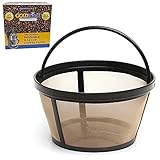
Overview: The GOLDTONE reusable basket filter is a precision-engineered alternative to paper filters for Mr. Coffee 10-12 cup brewers. Crafted in the USA from surgical-grade stainless steel mesh, this BPA-free filter eliminates disposable paper waste while delivering fuller coffee flavor. Its solid bottom design and specific dimensions (4.5" top width, 2.25" bottom) ensure compatibility with most basket-style Mr. Coffee machines.
What Makes It Stand Out: This filter’s American manufacturing and surgical-grade materials set it apart from imports. The solid bottom construction prevents grounds from bypassing while the golden-mesh design allows essential coffee oils to pass through, creating a richer brew. Its rigid plastic frame maintains shape during brewing and cleaning, offering durability that cheaper alternatives lack. The environmental impact is immediate—replacing hundreds of paper filters annually.
Value for Money: At a one-time cost equivalent to 6-8 months of paper filters, this permanent filter pays for itself within a year for daily brewers. Unlike disposables, it won’t run out or require emergency store runs. The surgical-grade stainless steel resists corrosion and staining, providing years of consistent performance. Compared to generic competitors, the USA craftsmanship justifies a slight premium with superior quality control.
Strengths and Weaknesses: Strengths: Authentic Made in USA quality; surgical-grade stainless steel mesh; solid bottom prevents leakage; rigid frame maintains shape; significant waste reduction; enhances coffee flavor profile.
Weaknesses: Limited to specific Mr. Coffee models; solid bottom may slow water flow slightly; requires thorough cleaning to prevent oil buildup; not compatible with 1-cup systems or non-basket designs.
Bottom Line: For Mr. Coffee 10-12 cup owners, this is a premium, eco-conscious upgrade that delivers superior flavor and long-term savings. The American-made quality justifies choosing this over generic alternatives.
2. TRONMEI 8-12 Cup Reusable Coffee Filter - BPA Free, Eco-Friendly, Compatible with Mr. Coffee, Black+Decker & Most Standard 8-12 Cup Drip Coffee Makers (1-Pack)

Overview: TRONMEI’s universal basket filter addresses the 8-12 cup drip coffee market with a versatile, eco-friendly solution. Designed to replace paper filters across multiple brands including Mr. Coffee and Black+Decker, this filter combines food-grade 304 stainless steel mesh with a BPA-free plastic frame. Its dimensions (4.5" top, 3.2" base, 2.5" height) accommodate most standard basket-style brewers.
What Makes It Stand Out: The broad compatibility and strong environmental messaging distinguish this filter. TRONMEI emphasizes the staggering waste reduction—over 600 paper filters annually for average users. The heat-resistant handle adds safety during hot removal, while the 304 steel mesh preserves coffee oils that paper traps. The brand’s clear sizing warnings prevent purchase errors, demonstrating customer-focused design.
Value for Money: This single-pack filter offers exceptional ROI, typically paying for itself in 4-6 months of daily use. The universal design eliminates brand-specific purchasing confusion, making it a versatile household investment. While slightly pricier than no-name alternatives, the food-grade certification and brand accountability provide peace of mind. Bulk paper filter costs accumulate rapidly, making this a financially sound choice.
Strengths and Weaknesses: Strengths: Wide brand compatibility; food-grade 304 stainless steel; effective waste reduction; heat-resistant handle; dishwasher-safe convenience; preserves coffee oils for richer taste.
Weaknesses: Plastic frame may degrade over years; requires careful measurement verification; mesh may clog with fine grinds; handle heat resistance has limits; not for 4-6 cup machines.
Bottom Line: A smart universal choice for standard drip machine owners seeking convenience, sustainability, and flavor improvement. Verify your basket dimensions, then enjoy years of paper-free brewing.
3. TRONMEI 4-6 Cup Reusable Coffee Filter - BPA Free, Fits Mr. Coffee, Black+Decker, Walmart Mainstays & Most 4-6 Cup Basket-Style Coffee Makers (1-Pack)
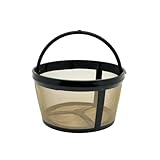
Overview: TRONMEI scales their proven design down for compact coffee makers with this 4-6 cup reusable filter. Targeting smaller households and office setups, this filter replaces paper versions in popular mini-brewers from Mr. Coffee, Black+Decker, and Mainstays. The reduced dimensions (3.5" top, 2.9" bottom, 2.0" height) match smaller baskets while maintaining the same food-grade 304 steel mesh and BPA-free construction.
What Makes It Stand Out: This filter fills a critical gap in the undersized 4-6 cup accessories market. The brand’s waste reduction statistics remain compelling—500+ paper filters saved annually even for lighter users. The proportional heat-resistant handle suits smaller baskets, and the stainless steel mesh ensures small-batch brewing doesn’t sacrifice flavor. TRONMEI’s explicit compatibility warnings prevent sizing mishaps.
Value for Money: For compact brewer owners, this offers identical cost benefits as its larger sibling, paying for itself within months. The specialized sizing means no compromises or awkward fits that plague universal attempts. Single-cup drinkers who upgrade to 4-cup machines often overlook this essential accessory. The long-term savings justify the initial investment, especially for budget-conscious small households.
Strengths and Weaknesses: Strengths: Perfectly sized for 4-6 cup machines; maintains oil-preserving mesh quality; reduces waste effectively; easy rinse or dishwasher cleaning; heat-resistant handle; compatible with major compact brands.
Weaknesses: Extremely size-specific—useless for 8+ cup brewers; smaller mesh area clogs faster; limited to basket-style only; plastic frame longevity uncertain; capacity limits single brewing for groups.
Bottom Line: Essential for owners of compact drip machines who want eco-friendly brewing without compromise. Measure twice, buy once, and enjoy sustainable small-batch coffee.
4. 4 Cup Reusable Filter Basket With Mesh Bottom Fits MrCoffee Coffee Maker and Brewer - Permanent Filter Replacement for Mr Coffee Gold Basket-Style Filters 1-Pack

Overview: The BRENSTEN 4-cup reusable filter targets Mr. Coffee’s compact brewers with a mesh-bottom design that differs from solid-bottom competitors. This surgical-grade stainless steel filter emphasizes safety and sustainability, featuring BPA-free, food-grade construction with a convenient handle. The universal 4-cup sizing aims to replace Mr. Coffee’s gold-tone filters while allowing more water flow than solid alternatives.
What Makes It Stand Out: The mesh bottom design offers distinct brewing dynamics, potentially faster water flow and reduced clogging compared to solid-bottom models. The surgical-grade mesh provides exceptional durability, while the sustainability message resonates with eco-conscious consumers. The dishwasher-safe construction with integrated handle simplifies cleanup. The brand positions this as a taste-preserving alternative to paper that doesn’t compromise convenience.
Value for Money: Priced competitively for the 4-cup segment, this filter delivers value through dual mesh surfaces and premium material claims. The surgical-grade steel suggests extended lifespan, while the mesh design may reduce maintenance frequency. For Mr. Coffee 4-cup users, it eliminates recurring paper costs within a few months. The single-pack keeps upfront costs low compared to multi-packs.
Strengths and Weaknesses: Strengths: Mesh bottom improves water flow; surgical-grade stainless steel; BPA-free food-grade certification; integrated handle; dishwasher safe; sustainability focus; prevents paper flavor contamination.
Weaknesses: “McCoffee” branding typo raises quality concerns; limited verified compatibility data; mesh may allow fine sediment; less rigid than plastic-framed options; single-pack only.
Bottom Line: A viable mesh-bottom alternative for 4-cup Mr. Coffee owners prioritizing flow rate and premium materials. Verify model fit and expect thorough cleaning with fine grinds.
5. Reusable No.4 Cone Coffee Maker Filters for Ninja Coffee Bar Brewer Replacement Permanent Basket Filter (2 Coffee Filters)
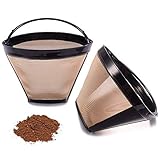
Overview: This two-pack provides cone-shaped reusable filters specifically engineered for Ninja Coffee Bar brewers. Unlike basket-style filters, these #4 cone designs match Ninja’s unique brewing geometry for 8-12 cup models. Made from food-grade stainless steel woven mesh, the dual-pack ensures you always have a clean filter ready. Precise dimensions (4.8" top, 2.36" bottom, 3.58" height) guarantee proper fit.
What Makes It Stand Out: The Ninja-specific cone shape is the primary differentiator—most reusable filters are basket-style. Getting two filters for the price competitors charge for one adds exceptional value. The fine mesh is optimized for Ninja’s brewing pressure and flow rate. The pack includes detailed sizing guidance, addressing the common cone-filter compatibility confusion. This is a rare solution for Ninja owners seeking sustainability.
Value for Money: Two filters at a single-filter price point doubles the value, allowing rotation during cleaning or backup during busy mornings. Ninja’s proprietary design typically forces brand-specific purchases at premium prices, making this universal alternative highly economical. The pair pays for itself in 3-4 months of daily brewing while eliminating 700+ paper filters annually. Durability ensures years of service.
Strengths and Weaknesses: Strengths: Perfect #4 cone geometry for Ninja; two filters included; fine mesh preserves oils; food-grade stainless steel; detailed sizing information; cost-effective dual-pack; eliminates brand premiums.
Weaknesses: Useless for basket-style machines; Ninja model verification critical; cone shape harder to clean than baskets; fine mesh requires regular descaling; limited to 8-12 cup Ninja brewers.
Bottom Line: An essential purchase for Ninja Coffee Bar owners seeking sustainability and savings. The dual-pack value and precise fit make this the smartest Ninja-compatible filter available.
6. Reusable Coffee Filters 8-12 Cup Permanent Coffee Filters Basket Washable Compatible with Mr. Coffee Black & Decker Coffee Maker Filter 6-12 Cup
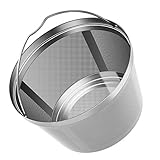
Overview: This reusable basket-style coffee filter offers broad compatibility with most 8-12 cup coffee makers from Mr. Coffee and Black & Decker. Constructed from 18/8 stainless steel, it provides a durable, eco-friendly alternative to disposable paper filters. The design focuses on maintaining coffee’s original flavor while delivering convenient cleanup.
What Makes It Stand Out: The universal design fits numerous basket-style machines, making it a versatile replacement option. The 18/8 stainless steel construction ensures rust-free performance and food safety. Its fine mesh design prevents grounds from escaping while allowing optimal extraction. The dishwasher-safe feature and easy rinse-under-water cleaning make maintenance effortless. The manufacturer explicitly addresses food safety concerns, providing peace of mind.
Value for Money: Priced competitively against disposable filter packs, this permanent filter pays for itself within weeks of regular use. It eliminates the recurring cost of paper filters while reducing environmental waste. Compared to brand-specific replacements, it offers broader compatibility at a fraction of the cost, making it an economical choice for households with compatible machines.
Strengths and Weaknesses: Pros:
- Universal compatibility with most Mr. Coffee and Black & Decker models
- Premium 18/8 stainless steel construction
- Dishwasher safe for easy cleaning
- Maintains coffee’s original flavor profile
- Environmentally friendly alternative
Cons:
- Explicitly incompatible with Hamilton Beach 46310
- Basket style may not fit all machine variations perfectly
- Initial cost higher than disposable paper filters
Bottom Line: An excellent investment for owners of compatible coffee makers seeking to reduce waste and long-term costs. The durable construction and universal design make it a practical choice for daily brewing.
7. GoldTone Brand (Made in the USA) Reusable No.4 Cone Style Replacement Coffee Filter replaces your Cuisinart Permanent Coffee Filter for Machines and Brewers (1 Pack)
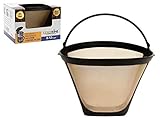
Overview: The GoldTone No.4 Cone Style Filter is a premium American-made replacement for Cuisinart coffee makers. Constructed from surgical-grade stainless steel, it offers a permanent solution for specific Cuisinart models ranging from the DCC-1000BK to the CHW-12 series. Its cone design ensures optimal coffee extraction.
What Makes It Stand Out: Proudly manufactured in the USA using surgical-grade stainless steel, this filter sets a high bar for quality and safety. The innovative form-fitting design automatically adjusts from oblong to round based on your brew basket, then retains that shape permanently after brewing. This adaptability ensures a snug fit across numerous Cuisinart models without compromising performance.
Value for Money: While priced higher than generic alternatives, the American craftsmanship and surgical-grade materials justify the premium. It eliminates ongoing paper filter costs and reduces landfill waste. For Cuisinart owners, it’s specifically engineered for compatibility, avoiding the trial-and-error of universal filters. The durability ensures years of reliable service.
Strengths and Weaknesses: Pros:
- Made in USA with surgical-grade stainless steel
- Adaptive form-fitting design for various brew baskets
- Comprehensive model compatibility list
- Dishwasher safe and easy to clean
- Full flavor extraction from cone design
Cons:
- Limited to specific Cuisinart models only
- Cone style incompatible with basket-style brewers
- Premium price point
Bottom Line: A top-tier choice for Cuisinart owners wanting American-made quality. The adaptive design and premium materials make it worth the investment for compatible machines.
8. Stainless Steel Reusable Coffee Filters Basket 8 12 Cup Sturdy Permanent Coffee Filter fit for Mr. Coffee Black,Decker Coffee Makers 8 12 cups
Overview: This stainless steel reusable basket filter targets environmentally conscious coffee drinkers using Mr. Coffee or Black & Decker 8-12 cup machines. The fine mesh construction prevents grounds from escaping while preserving coffee’s aromatic oils and full flavor profile that paper filters often absorb.
What Makes It Stand Out: The emphasis on environmental responsibility is central to this product’s identity. The manufacturer explicitly connects disposable filter usage to deforestation, appealing to eco-aware consumers. The fine mesh design is specifically engineered to prevent coffee powder from flowing out while maintaining original flavor. The food-grade 18/8 stainless steel construction rejects any chemical odors, ensuring pure taste.
Value for Money: This filter represents significant long-term savings by eliminating recurring paper filter purchases. The permanent nature reduces environmental impact while delivering consistent performance. Its universal compatibility across major brands increases value compared to single-brand replacements. The dishwasher-safe design minimizes maintenance time and effort.
Strengths and Weaknesses: Pros:
- Fine mesh prevents grounds escape
- Strong environmental messaging and benefits
- Food-grade 18/8 stainless steel construction
- Universal compatibility with major brands
- Dishwasher safe and rust-resistant
Cons:
- Not compatible with Hamilton Beach 46310
- Marketing language may feel heavy-handed
- Basket design less optimal than cone for some palates
Bottom Line: An environmentally responsible choice that delivers on performance and compatibility. Ideal for users prioritizing sustainability without sacrificing coffee quality.
9. 2-PACK Gold Reusable 8-12 Cup Basket Coffee Filter for Mr. Coffee Coffee Makers and Black & Decker Coffee Maker
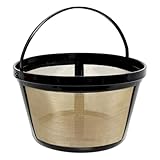
Overview: This 2-pack of gold-tone basket filters offers exceptional value for households with multiple Mr. Coffee or Black & Decker brewers. Designed for 8-12 cup machines, these BPA-free filters use high-quality food-grade materials to ensure no plastic taste contaminates your coffee while delivering effective filtration.
What Makes It Stand Out: The 2-pack configuration provides immediate backup or allows simultaneous use in multiple machines. The gold-tone finish isn’t just aesthetic—it indicates premium construction. The closed-bottom design ensures perfect compatibility and prevents grounds from bypassing the filter. The manufacturer emphasizes both cost-effectiveness and environmental benefits, appealing to practical and eco-conscious buyers.
Value for Money: Offering two filters at a price typically seen for single units, this pack delivers exceptional value. It eliminates ongoing paper filter costs while providing a spare for convenience. The multi-unit packaging reduces per-unit cost significantly compared to individual purchases. For offices or multi-coffee-maker households, the savings multiply.
Strengths and Weaknesses: Pros:
- Excellent 2-pack value proposition
- Gold-tone, BPA-free food-grade materials
- Closed-bottom design for perfect fit
- Dishwasher safe and easy to clean
- Strong customer support commitment
Cons:
- Compatibility specifics less detailed than competitors
- Gold finish may wear over time
- Limited to basket-style machines
Bottom Line: Outstanding value in a two-pack format. Perfect for families or offices needing reliable, safe, and economical filters for compatible brewers.
10. Permanent Basket-Style Coffee Filter designed for Mr. Coffee 10-12 Cup Basket-Style Coffeemakers
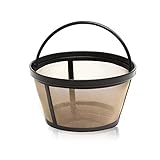
Overview: Designed specifically for Mr. Coffee 10-12 cup basket-style coffeemakers, this permanent filter offers a straightforward replacement solution. While product details are minimal in the listing, its basket-style design suggests standard compatibility and functionality for the targeted Mr. Coffee models, providing a reusable alternative to paper filters.
What Makes It Stand Out: The singular focus on Mr. Coffee basket-style machines ensures precise compatibility without the guesswork of universal designs. The product title’s repetition suggests a no-frills, purpose-built approach. For loyal Mr. Coffee users, this filter promises seamless integration with their existing 10-12 cup brewers, likely matching original equipment specifications.
Value for Money: As a brand-specific replacement, this filter likely commands a modest price premium but eliminates recurring paper filter expenses. The targeted design reduces the risk of compatibility issues that can plague universal filters. For dedicated Mr. Coffee owners, the assurance of proper fit justifies any slight price increase over generic alternatives.
Strengths and Weaknesses: Pros:
- Specifically designed for Mr. Coffee 10-12 cup models
- Eliminates ongoing paper filter costs
- Permanent, reusable solution
- Likely matches original equipment quality
- Simplified selection for Mr. Coffee owners
Cons:
- Extremely limited product information provided
- Compatibility restricted to specific Mr. Coffee models
- No details on material grade or cleaning instructions
Bottom Line: A safe choice for Mr. Coffee 10-12 cup brewer owners wanting guaranteed compatibility. However, the lack of detailed specifications requires trust in brand-specific design.
Why Reusable Filters Make Financial Sense
Switching to a reusable coffee filter under $15 isn’t just an eco-friendly gesture—it’s one of the smartest financial moves a coffee lover can make. A single quality reusable filter can replace approximately 500-800 disposable filters, which at $5-8 per 100-pack, saves you $25-40 in just the first year alone. When you factor in that most budget reusable filters last 2-5 years with proper care, your total savings can easily exceed $150 over the product’s lifetime. This represents a return on investment of over 1,000%, outperforming most financial investments in your portfolio.
The math becomes even more compelling for households with multiple coffee drinkers or those who brew multiple pots daily. Beyond the direct cost savings, you’re also eliminating those emergency runs to the store when you realize you’re out of filters. The convenience factor translates to saved time and gas money, while the environmental benefits—preventing hundreds of paper filters from entering landfills—add intangible value that resonates with sustainability-conscious consumers.
Understanding Different Filter Materials
Stainless Steel Mesh Options
Stainless steel mesh filters dominate the under $15 category for good reason. These ultra-fine wire mesh screens typically feature micron ratings between 50-200, capturing coffee grounds while allowing essential oils to pass through for a fuller-bodied cup. The best budget options use food-grade 304 stainless steel that resists rust and corrosion, even with daily use. Look for welded seams rather than folded edges, as welded construction prevents grounds from escaping through gaps.
The durability of stainless steel makes it ideal for daily brewers who want a set-it-and-forget-it solution. Most can withstand thousands of brewing cycles without degradation, though the mesh can eventually clog if not cleaned regularly. The main trade-off is that cheaper steel filters may allow some micro-fines into your cup, creating sediment. However, this can be mitigated by choosing filters with dual-layer mesh construction or slightly higher micron ratings around 150-200.
Organic Cotton Varieties
Organic cotton filters offer a middle ground between paper and metal, providing clean filtration while being reusable. These filters typically consist of unbleached, chemical-free cotton fabric sewn into cone or basket shapes. They excel at producing bright, clean cups similar to paper filters but without the paper taste. The natural fibers absorb some of the coffee oils over time, which can actually improve filtration performance as the filter “seasons.”
In the sub-$15 range, you’ll find single-layer cotton filters that can last 3-6 months with proper care. The key is ensuring they’re truly organic and untreated, as conventional cotton may contain pesticide residues that affect flavor. These filters require thorough rinsing after each use and periodic boiling to remove built-up oils. While they demand more maintenance than metal, many coffee enthusiasts prefer the taste profile they produce, especially for light and medium roasts.
Hemp Fiber Alternatives
Hemp coffee filters represent the eco-warrior’s choice, combining sustainability with functionality. Hemp grows rapidly without pesticides and requires minimal water, making it environmentally superior to cotton. These filters naturally resist mold and bacteria better than cotton, which is crucial for something that stays damp between uses. The fiber structure creates a slightly coarser filtration than cotton, resulting in a cup with more body while still preventing significant sediment.
Budget hemp filters typically cost between $10-15 and can last 6-12 months depending on usage frequency. They develop a patina similar to cotton filters but are more resistant to staining and odor retention. The antimicrobial properties mean you can sometimes get away with less rigorous cleaning, though regular maintenance still extends their lifespan significantly. Hemp filters work particularly well for pour-over methods and drip machines with moderate brewing temperatures.
Paper-Cloth Hybrid Designs
Innovative hybrid filters combine a paper-like filtration experience with reusable convenience. These consist of thin, porous fabric—often a cotton-linen blend—treated to maintain structure while allowing fine filtration. They produce exceptionally clean cups with minimal sediment, rivaling disposable paper filters in clarity. The treatment process prevents them from absorbing as many oils as pure cloth filters, which some drinkers prefer for maintaining consistent flavor profiles.
At under $15, these hybrids typically come in packs of two or three, making them economical despite shorter individual lifespans. Each filter usually lasts 1-3 months before the treatment wears off and filtration degrades. They’re perfect for coffee drinkers who want to transition from paper but aren’t ready for the sediment potential of metal or the maintenance of pure cloth. The compromise is that they can’t match the multi-year durability of steel options.
Key Features to Evaluate
Durability and Build Quality
When shopping in the budget category, durability becomes paramount. A $12 filter that lasts three months is more expensive than a $15 filter that lasts three years. Examine product descriptions for terms like “reinforced seams,” “double-stitched edges,” or “welded construction.” For metal filters, the gauge of the steel matters—thicker isn’t always better, but paper-thin construction will dent or tear easily. Quality indicators include solid feeling in hand and flexible but resilient mesh.
The attachment points deserve special scrutiny. Handles or rims should be securely fastened with no wobbling or sharp edges. Plastic components, if present, should be BPA-free and heat-resistant up to at least 400°F. Some budget filters cut corners by using lower-grade plastics that can warp or leach chemicals when exposed to hot water repeatedly. Reading between the lines of user reviews can reveal patterns of premature failure that indicate manufacturing shortcuts.
Size and Compatibility
Nothing’s more frustrating than a filter that doesn’t fit your brewer properly. The under-$15 market offers standard sizes for most popular brewing methods: #2 and #4 for cone drip machines, specific dimensions for pour-over cones like V60 or Chemex, and basket shapes for flat-bottom brewers. Always measure your brewer’s basket or cone opening before purchasing, as even “standard” sizes can vary by 2-3 millimeters between manufacturers.
Consider the depth as well as the diameter. A filter that’s too shallow will overflow during brewing, while one that’s too deep may not sit properly or could block water flow. Some budget filters attempt universal fit by including flexible rims or multiple size adapters, though these compromises often create new problems like instability or gaps. The most reliable approach is finding a filter designed specifically for your brewer model, even if it means searching slightly longer.
Micron Rating and Filtration
Micron rating determines how much sediment ends up in your cup and significantly affects flavor extraction. This measurement indicates the size of particles that can pass through the filter—lower numbers mean finer filtration. Metal filters in the sub-$15 range typically range from 50-250 microns. For reference, espresso filters are around 30 microns, while French press metal mesh is about 300-400 microns.
Your brewing method should guide your micron choice. Pour-over enthusiasts often prefer 80-120 microns for balanced extraction without excessive fines. Drip machine users might opt for 150-200 microns to maintain proper flow rate. Cloth filters don’t use micron ratings but their thread count and weave tightness serve a similar function. Be wary of budget filters that don’t specify micron rating—this often indicates inconsistent manufacturing that leads to unpredictable results.
Cleaning and Maintenance Requirements
The best reusable filter is one you’ll actually maintain properly. Stainless steel filters generally need just a quick rinse under hot water and occasional deep cleaning with vinegar or Cafiza. Some are even dishwasher-safe, though hand washing extends their lifespan. Cloth and hemp filters demand more attention—immediate rinsing after use, periodic boiling, and thorough drying to prevent mold.
Consider your lifestyle when evaluating cleaning needs. If you’re rushed in the mornings, a low-maintenance steel filter makes more sense than a high-maintenance cloth option. Conversely, if you enjoy the ritual of coffee preparation, the care routine for cloth filters might feel meditative rather than burdensome. Budget filters that promise “zero maintenance” are often too good to be true—everything requires some care to perform optimally and remain hygienic.
Environmental Impact
While all reusable filters beat disposables environmentally, some options are greener than others. Stainless steel requires significant energy to produce but lasts virtually forever, amortizing its carbon footprint over thousands of uses. Organic cotton and hemp have lower manufacturing impacts but shorter lifespans and require water and energy for regular cleaning. Consider the full lifecycle: production, shipping, cleaning water usage, and end-of-life disposal.
The most eco-friendly choice depends on your local resources. In water-scarce regions, long-lasting metal filters make more sense despite higher production costs. Where water is abundant and renewable energy powers your home, cloth filters’ lower manufacturing impact might tip the scales. Some budget filters use recycled materials or come in minimal packaging, further reducing their environmental footprint. Look for these details in product descriptions to maximize your positive impact.
Price vs. Value Considerations
What $15 Can Actually Get You
The under $15 price point is surprisingly competitive for reusable coffee filters. You can find single stainless steel filters for most standard brewers, packs of 2-3 cloth filters, or even combo sets with multiple filter types. Premium features like dual-layer mesh, reinforced construction, and branded compatibility typically appear around $12-15, while simpler designs start under $10. The key is recognizing that price doesn’t always correlate with quality in this range—some $9 filters outperform $14 options.
Manufacturers achieve these low prices through various strategies: direct-to-consumer sales, minimal packaging, simpler designs, or economies of scale. Chinese manufacturing has driven down costs while improving quality control, making decent filters accessible to everyone. However, be cautious of filters under $5—these often use subpar materials that rust, tear, or impart metallic flavors. The sweet spot for quality and durability typically lies between $8-12, leaving room in your budget for proper cleaning supplies.
Long-Term Savings Calculation
Let’s break down the real savings.假设 you buy a $12 reusable filter that lasts 3 years (1,095 days). If you brew coffee daily, you would have needed about 11 packs of 100-count paper filters at $6 each, totaling $66. Your net savings after the filter cost is $54 in the first three years. But the savings continue—if the filter lasts five years, you save $126 total. For households brewing two pots daily, these numbers double.
The calculation should include cleaning costs. Vinegar for monthly deep cleaning costs pennies per use. Water for rinsing adds negligible expense—perhaps $0.50 annually. If you use a dishwasher, the filter occupies minimal space and doesn’t require a separate cycle. Even factoring in replacement filters every few years for cloth varieties, the financial advantage remains overwhelming. Most users break even within 2-4 months, after which it’s pure savings.
Hidden Costs to Watch For
Budget filters sometimes hide costs in required accessories. Some metal filters need special brushes for cleaning that add $5-8 to your initial investment. Cloth filters may require specific detergents free of fragrances and fabric softeners that could affect coffee taste. If a filter doesn’t fit properly, you might need to buy adapter rings or modify your brewer, creating unexpected expenses.
Shipping costs can also erode savings when buying online. A $9 filter with $6 shipping is actually a $15 purchase. Look for free shipping thresholds or bundle purchases with other household items. Finally, consider the opportunity cost of filters that require extensive cleaning time. If you value your time at $20/hour and a filter needs 10 extra minutes of maintenance weekly, that’s $173 annually in time cost—far exceeding any filter’s price. Choose options that match your willingness to invest time.
Common Mistakes to Avoid
Ignoring Brewer Compatibility
The number one mistake is purchasing based on price alone without confirming fit. A filter might be marketed as “universal” but still leave gaps in your specific machine. Measure your brewer’s basket diameter at the top, bottom, and depth. Check if your machine uses a showerhead that requires a flat rim or if a conical shape works better. Some brewers have proprietary designs that only accept branded filters, though third-party options often exist if you search by model number.
Pay attention to how the filter seats. Does it need to clip onto the brew basket? Rest on a ledge? Hang from the top rim? Budget filters rarely include sophisticated mounting mechanisms, so understanding your brewer’s design is crucial. When in doubt, choose slightly smaller rather than larger—an undersized filter still works with careful placement, while an oversized one is completely useless. Many retailers offer compatibility charts; use them religiously.
Overlooking Cleaning Requirements
Buyers often underestimate the maintenance commitment their chosen filter demands. Metal filters clogged with oils produce bitter, over-extracted coffee. Cloth filters that aren’t dried properly develop mold that ruins flavor and poses health risks. Before purchasing, honestly assess your cleaning habits. Are you someone who rinses dishes immediately or lets them soak for days? The latter should avoid cloth filters requiring prompt attention.
Consider your water hardness, too. Hard water mineral buildup clogs metal mesh faster, requiring more frequent deep cleaning. If you have very hard water, budget for a cleaning solution or choose filters with larger micron ratings that resist clogging. Some users keep two inexpensive filters and rotate them, allowing thorough drying between uses. This approach works well with cloth varieties and extends their effective lifespan without demanding daily meticulous care.
Choosing Wrong Micron Size
Sediment in your cup is the most common complaint among new reusable filter users, and it stems from choosing the wrong micron rating. Too fine (below 50 microns) and your coffee drips painfully slow, often over-extracting and creating bitterness. Too coarse (above 250 microns) and you’ll chew your morning brew. The mistake is assuming finer is always better. Your grind size must match your filter’s micron rating.
If you use a blade grinder that produces inconsistent particle sizes, avoid filters below 100 microns—they’ll clog with fines. Burr grinder users have more flexibility but should still aim for 80-150 microns for most methods. When in doubt, start with a mid-range 120-micron filter. It’s easier to adjust your grind coarser to reduce sediment than to deal with a perpetually clogged filter. Some budget filters specify “no sediment” claims—these typically use micron ratings around 80-100 with dual-layer construction.
Forgetting About Taste Transfer
Budget filters sometimes impart unwanted flavors, especially during the first few uses. Metal filters may have a metallic taste if not properly washed before first use. Cloth filters can taste like fabric or storage odors if not pre-boiled. This “seasoning” period is crucial but often overlooked. Always wash the filter thoroughly with hot water and mild soap before brewing, then run a test batch of coffee you don’t mind discarding.
Storage method affects taste transfer, too. Storing a metal filter near strong spices or cleaning chemicals can cause it to absorb odors. Cloth filters should be stored completely dry in breathable containers, not sealed plastic bags that trap moisture and cause mildew. Some users dedicate a specific coffee towel for drying their filter to avoid lint or fabric softener residue from regular towels. These small details separate satisfying brews from disappointing ones.
Maximizing Your Filter’s Lifespan
Proper Cleaning Techniques
Effective cleaning extends filter life dramatically. For metal filters, daily hot water rinsing removes most oils, but weekly deep cleaning prevents buildup. Soak the filter in a solution of 1 part white vinegar to 2 parts hot water for 30 minutes, then scrub gently with a soft brush. Avoid abrasive pads that can damage the mesh. For stubborn buildup, a pinch of espresso machine cleaner dissolved in hot water works wonders—just rinse thoroughly afterward.
Cloth and hemp filters need different care. Rinse immediately after use with hot water, squeezing gently to remove oils. Every 1-2 weeks, boil the filter in fresh water for 10 minutes to deep clean. Never use soap on cloth filters—it leaves residue that affects taste. Instead, rely on hot water and boiling. After cleaning, hang to dry completely before storage. Some users microwave damp cloth filters for 30 seconds to kill bacteria, but this can scorch the fabric if done improperly.
Storage Best Practices
How you store your filter between uses affects both its lifespan and your coffee’s taste. Metal filters should be stored dry but don’t need special conditions. A dedicated hook near your coffee station keeps them accessible and allows air circulation. Avoid storing them in enclosed drawers while still damp—this promotes rust even on stainless steel. If you notice discoloration, a quick soak in citric acid solution restores the shine.
Cloth filters demand more careful storage. Once completely dry, store them in a breathable container like a paper bag or open basket. Sealed plastic bags trap humidity and breed mold. Some users store them in the freezer between uses to prevent bacterial growth, though this is overkill for daily brewers. The freezer method works better for occasional users who might go days between brews. Never store cloth filters near strong odors—they’re porous and will absorb smells from spices, cleaning supplies, or even strongly scented coffee beans.
When to Replace Your Filter
Even the best reusable filters eventually need replacement. Metal filters last longest—typically 3-5 years—but should be replaced when the mesh tears, seams separate, or permanent clogging occurs. If you’ve deep cleaned and still notice excessive sediment or dramatically slowed flow, the mesh has likely stretched or damaged. Small tears can sometimes be repaired with food-safe epoxy, but this is a temporary fix.
Cloth and hemp filters show more obvious wear. Replace them when holes develop, the weave becomes visibly loose, or persistent odors remain after boiling. Most last 3-9 months with regular use. Some users keep filters slightly past their prime for different brewing applications—a worn cloth filter with larger pores can work for cold brew or French press alternative methods. However, for hot brewing, compromised filters lead to poor extraction and potential health concerns from bacterial buildup in fibers.
Troubleshooting Common Issues
Sediment in Your Cup
Finding sludge at the bottom of your mug is the most common complaint. First, check your grind size—it should match your filter’s micron rating. Too fine a grind will always produce sediment, regardless of filter quality. Next, examine your pouring technique. Aggressive pouring stirs up fines that then pass through the filter. Use a gentle, circular pour pattern and avoid disturbing the coffee bed.
If grind and technique aren’t the culprits, your filter may be damaged or improperly sized. Inspect the mesh for tears or separated seams. For cloth filters, check if the weave has loosened. Sometimes sediment comes from bypass—water flowing around rather than through the filter. This happens with ill-fitting filters that leave gaps between the filter and brewer. Try adjusting how the filter sits or consider a different size. As a last resort, use a coarser grind or switch to a filter with a lower micron rating.
Slow Dripping Problems
When your coffee drips slower than molasses, frustration builds along with over-extracted bitterness. The primary cause is clogging—either from fine grounds or oil buildup. If it’s a new filter, the issue is likely your grind being too fine. Adjust coarser and try again. For used filters, deep clean thoroughly even if it looks clean; oils invisible to the eye can restrict flow significantly.
Water chemistry plays a role too. Hard water mineral deposits narrow filter pores over time. If you have hard water, descale your filter monthly with vinegar or citric acid. Another factor is coffee dose—using too much coffee creates a thick bed that restricts flow regardless of filter condition. Reduce your dose by 10% and see if flow improves. For persistent issues, some users place a paper filter inside their metal filter for a hybrid approach, though this negates some environmental benefits.
Off-Flavors and Odors
Strange tastes in your coffee often trace back to filter maintenance. Metallic flavors usually indicate a new metal filter that wasn’t properly washed before first use. Boil it in water with a tablespoon of baking soda, then rinse thoroughly. Musty or moldy tastes point to storage problems—cloth filters stored damp or metal filters left with residual oils that turned rancid. The solution is a deep clean and better drying practices.
Soapy tastes mean detergent residue, common with cloth filters washed in dish soap. Re-boil the filter in fresh water for 15 minutes to remove residue. If flavors persist, the filter material itself may be low quality, leaching compounds into hot water. This is more common with extremely cheap metal filters using unknown alloys. In this case, replacement is the only solution. Always “season” new filters with a test brew you won’t drink to identify any off-flavors before committing to your morning cup.
Frequently Asked Questions
How long do budget reusable coffee filters actually last?
Stainless steel filters under $15 typically last 2-5 years with proper care, while cloth and hemp varieties last 3-9 months depending on frequency of use and maintenance. The key factor is cleaning consistency—filters cleaned regularly and stored properly far outlast neglected ones. Even at the shorter end of these ranges, you’ll save money compared to disposables within the first few months.
Will a $12 filter really taste as good as the $25 premium options?
In most cases, yes. The primary difference between budget and premium filters is often branding, packaging, and marginal durability improvements. A $12 stainless steel filter with proper micron rating and food-grade certification will produce coffee indistinguishable from a $25 version. Premium cloth filters may use organic certification or reinforced stitching, but the taste difference is negligible. Focus on specifications rather than price when evaluating quality.
Can I use the same reusable filter for different brewing methods?
Generally, no. Filters are designed for specific shapes and flow rates—cone filters won’t work in basket brewers, and vice versa. Some pour-over cones share similar dimensions (like #2 size), allowing limited interchangeability. However, using a filter in an incompatible brewer leads to poor extraction, overflow, or bypass. It’s better to buy method-specific filters, which is still cheaper than years of disposables.
How do I know if my filter is truly food-safe?
Look for terms like “food-grade 304 stainless steel,” “FDA-approved silicone,” or “GOTS-certified organic cotton” in product descriptions. Avoid filters with vague “stainless steel” claims without grade specification, as lower grades may contain questionable alloys. Reputable sellers provide material certifications, even for budget items. If the listing lacks specific material information, it’s a red flag for quality.
Why does my coffee taste different with a reusable filter?
Reusable filters allow more oils and micro-fines to pass through than paper, creating a fuller-bodied, potentially more textured cup. This isn’t worse—just different. Many coffee lovers prefer this richness. If you miss paper’s clean taste, try a cloth filter or use a slightly coarser grind to reduce oil extraction. The taste difference usually diminishes as you adjust your technique and palate.
Are there any health concerns with cheap metal filters?
Quality food-grade stainless steel poses no health risks. Concerns arise with filters using unknown metal alloys or non-food-grade coatings. Avoid filters with flaking, chipping, or rusting—these indicate material breakdown. If a filter has a strong metallic smell when new, return it. Stick to known materials like 304 stainless steel, and you’ll have no health issues even with daily use for decades.
How often should I deep clean my reusable filter?
Metal filters need deep cleaning every 1-2 weeks depending on usage frequency and water hardness. Cloth filters require boiling every 1-2 weeks. Signs you need cleaning include slowed flow rate, visible oil buildup, or off-flavors. Daily rinsing after use extends the time between deep cleanings. Hard water users should clean more frequently to prevent mineral clogging.
Can I put my reusable filter in the dishwasher?
Many stainless steel filters are dishwasher-safe, but hand washing extends their lifespan. Dishwasher detergents can be harsh and may eventually degrade the mesh or any plastic components. Cloth filters should never go in the dishwasher—the heat and detergent damage the fibers. Check manufacturer instructions, but when in doubt, hand wash with hot water and mild soap (for metal) or just hot water (for cloth).
What should I do if my filter develops mold?
For metal filters, soak in a 1:1 vinegar-water solution for an hour, scrub thoroughly, then boil for 10 minutes. This kills mold and removes spores. For cloth filters, boil for 15 minutes in fresh water, then sun-dry if possible (UV light kills remaining spores). If mold persists or leaves permanent stains with odor, replace the filter. Prevent future growth by ensuring filters dry completely between uses and storing them in well-ventilated areas.
Is it worth buying multiple cheap filters instead of one expensive one?
This strategy works well for some users. Having two $7 cloth filters allows rotation, ensuring each dries completely between uses and extending total lifespan. Two metal filters let you always have a clean backup. However, buying multiple ultra-cheap filters of poor quality just multiplies problems. If going the multi-filter route, choose decent quality budget options rather than the absolute cheapest. This approach offers flexibility without sacrificing performance.
See Also
- 10 Best Value Coffee Table Drip Trays for Small Apartments in 2026
- Stop Wasting Paper with the 10 Best Reusable Coffee Filters This Year
- 10 Premium Coffee Tamping Mats for Luxury Espresso Setups (Worth the Investment)
- 10 Gold Tone Coffee Filters That Solve Metal Taste Issues in 2026
- We Tested 50 Under-Countertop Drip Trays - Here are the 10 Best for Hidden