Table of Contents
How many times have you tossed a half-brewed pot or scraped stale grounds from a carafe, sighing at the waste? That nagging feeling when your carefully measured coffee beans end up in the compost instead of your cup is all too familiar for pour-over enthusiasts. The promise of a pristine, single-cup experience often clashes with the messy reality of miscalibrated pours, mismatched equipment, or simply not understanding the delicate dance between water, coffee, and time. It’s frustrating to invest in quality beans only to see them squandered, turning a moment of ritual into one of regret. But what if the solution wasn’t about trying harder with the wrong tools, but about choosing the right tool designed specifically to honor every precious bean?
The beauty of pour-over coffee lies in its simplicity and control, yet that very control can become a source of waste if the equipment isn’t aligned with your single-serve needs. Generic drippers or carafe-based systems often force compromises – too much water for the grounds, cumbersome setups for one cup, or features that seem helpful but actually lead to inconsistency. The good news is that the market has evolved, offering dedicated single-serve pour-over solutions engineered to minimize mess and maximize yield. This guide cuts through the noise, focusing not on chasing fleeting “best of” lists, but on empowering you with the knowledge to select a system that genuinely reduces waste, respects your beans, and delivers a consistently excellent cup, every single time. Let’s explore how to make your pour-over ritual as efficient as it is enjoyable.
Top 10 Single Serve Pour Over Coffee Makers
Detailed Product Reviews
1. OXO Brew Single Serve Pour-Over Coffee Maker
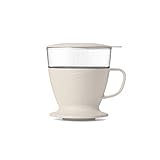
Overview: The OXO Brew Single Serve Pour-Over Coffee Maker simplifies artisanal coffee brewing into a consistent, user-friendly experience. Designed for one to two cups, it eliminates guesswork for home baristas seeking cafe-quality results without complex equipment.
What Makes It Stand Out: Its standout feature is the auto-drip tank, which regulates water flow for optimal extraction without manual pouring control. Integrated measurement markings (up to 12 oz) ensure precision, while the dual-purpose lid retains heat during brewing and acts as a drip tray. The included unbleached filters enhance ease of use.
Value for Money: Priced moderately, it justifies cost through time savings and reduced waste—no need for separate timers or scales. While higher than basic drippers, the included filters and foolproof design offer better long-term value than disposable alternatives.
Strengths and Weaknesses: Strengths: Exceptional consistency, intuitive measurements, heat-retaining lid, and included eco-friendly filters. Weaknesses: Limited to 12 oz capacity, plastic tank may feel less premium than glass/metal competitors, and not ideal for travelers due to size.
Bottom Line: An excellent choice for beginners or busy households prioritizing reliability over portability; it delivers flawless single-serve pour-overs with minimal effort, making daily coffee ritual enjoyable and stress-free.
2. Premium Pour Over Coffee Dripper with Reusable Stainless Steel Filter – Portable, Easy Clean Coffee Maker for Single Cup Brewing – Ideal for Home, Office, Camping

Overview: This stainless steel pour-over dripper champions sustainability and bold flavor, targeting eco-conscious coffee lovers. Its reusable filter replaces paper, promising richer taste and zero waste for home, office, or outdoor use.
What Makes It Stand Out: The ultra-fine stainless steel mesh preserves coffee oils for a fuller-bodied cup while eliminating sediment and paper filter costs. Its compact, lightweight design and universal mug compatibility (8–12 oz) make it uniquely versatile for travel or small spaces. Dishwasher safety adds convenience.
Value for Money: Highly cost-effective long-term—skip buying paper filters indefinitely. Priced competitively against disposable-filter models, it outperforms budget options in durability and flavor quality, ideal for frequent users.
Strengths and Weaknesses: Strengths: Eco-friendly, enhances aroma/oil retention, effortless cleaning, travel-ready, and universally compatible. Weaknesses: Slight metallic aftertaste possible for sensitive palates, mesh requires thorough rinsing to avoid residue, and lacks heat retention features.
Bottom Line: A top pick for sustainability-focused drinkers seeking bold flavor and portability; its durability and low operating costs deliver outstanding value despite minor taste nuances.
3. Bodum 17oz Pour Over Coffee Maker, High-Heat Borosilicate Glass with Reusable Stainless Steel Filter and Cork Grip - Made in Portugal

Overview: The Bodum Pour Over merges classic design with eco-conscious brewing in a 17oz glass carafe. Crafted in Portugal, it combines borosilicate glass durability with a permanent stainless steel filter for a refined, waste-free coffee experience.
What Makes It Stand Out: The high-heat borosilicate glass preserves pure flavor without chemical leaching, while the stainless steel filter captures oils paper filters absorb. The elegant cork sleeve (with suede cord) provides heat protection and aesthetic charm, elevating everyday use.
Value for Money: Positioned as a premium option, its price reflects artisanal craftsmanship and sustainable materials. Though costlier than plastic models, the lifelong filter and dishwasher-safe carafe reduce long-term expenses, justifying investment for design enthusiasts.
Strengths and Weaknesses: Strengths: Superior flavor clarity, durable heat-resistant glass, eco-friendly permanent filter, elegant cork grip, and easy cleaning. Weaknesses: Cork sleeve isn’t dishwasher-safe, glass requires careful handling, and 17oz capacity may exceed single-serve needs.
Bottom Line: Perfect for connoisseurs valuing aesthetics and purity; it’s a durable, eco-smart centerpiece for the kitchen, though fragile for travel.
4. LHS Pour Over Coffee Dripper Stainless Steel Coffee Filter Metal Cone Filter Paperless Reusable Coffee Filter Single Cup Coffee Maker 1-2 Cup With Non-slip Cup Stand and Cleaning Brush

Overview: The LHS Coffee Dripper delivers a complete, portable pour-over solution with a reusable stainless steel filter, non-slip stand, and cleaning brush. Targeting simplicity, it caters to travelers and minimalists seeking sediment-free coffee anywhere.
What Makes It Stand Out: Its extra-fine mesh guarantees no grounds in your cup, while the wide, stable metal cup stand accommodates diverse mugs securely. The inclusion of a dedicated cleaning brush and dishwasher-safe design elevates maintenance ease—a rarity in this category.
Value for Money: Exceptional at its price point: the bundle (dripper, stand, brush) outperforms single-component competitors. Eliminating paper filters saves recurring costs, and rugged construction ensures years of use, making it ideal for budget-savvy adventurers.
Strengths and Weaknesses: Strengths: Zero sediment brew, ultra-portable, comprehensive accessory kit, sturdy cup stand, and effortless cleaning. Weaknesses: Brush storage is awkward, fine mesh demands frequent rinsing, and lacks heat retention for slower brewing.
Bottom Line: The go-to for campers and commuters needing reliability; unmatched portability and included tools justify its value despite minor cleaning quirks.
5. DOWAN Pour Over Coffee Maker, Non-Electric Pour Over Coffee Dripper, Manual Brew Maker, Single Cups Porcelain Slow Brewing Accessories for Gifts,White
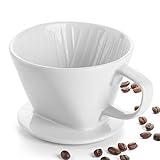
Overview: DOWAN’s porcelain pour-over dripper offers a manual, non-electric brewing experience focused on flavor extraction. Handcrafted for traditionalists, it uses ceramic’s heat retention to enhance slow-brewed coffee at home or as a thoughtful gift.
What Makes It Stand Out: The three-hole drip design concentrates flow for optimal extraction time, while V-shaped conical walls and inner vertical ribs maximize coffee-water contact. High-fired ceramic minimizes heat loss versus metal filters, preserving nuanced flavors during brewing.
Value for Money: Solid mid-range investment for ceramic quality. Though filter paper isn’t included (adding cost), the durable porcelain outlasts plastic rivals. Best for those prioritizing heat retention over reusability, but paper dependency slightly undermines long-term savings.
Strengths and Weaknesses: Strengths: Superior heat retention, elegant handmade ceramic, precise flavor-focused engineering, and mug/thermos compatibility. Weaknesses: Requires paper filters (ongoing cost), ceramic is fragile for travel, and rib design complicates cleaning.
Bottom Line: A beautiful, flavor-optimized choice for home use—ideal for gifting or purists—but paper reliance and breakability limit practicality for daily adventurers.
6. OXO Brew Pour Over Coffee Maker with Water Tank — Matte Black

Overview: The OXO Brew Pour Over Coffee Maker simplifies manual pour-over brewing with an integrated water tank and timer. Designed for consistent, flavorful coffee with minimal user intervention, it includes unbleached paper filters and targets home baristas seeking convenience without sacrificing quality. Its streamlined process appeals to those new to pour-over methods. What Makes It Stand Out: The auto-drip water tank is its defining innovation, eliminating the need for manual pouring and ensuring precise, even saturation. The built-in timer tracks brew time, while intuitive water-level markings (up to 12oz) prevent overfilling. The dual-purpose lid retains heat during brewing and converts into a drip tray, enhancing practicality. Value for Money: Priced moderately higher than basic drippers, it justifies cost through time savings and consistency. While lacking a reusable filter, the included paper filters add immediate value. It’s a smart investment for those prioritizing reliability over eco-consciousness, outperforming entry-level cones but costing less than high-end electric brewers. Strengths and Weaknesses: Strengths: Effortless operation, consistent results, thoughtful lid design, clear measurements. Weaknesses: Limited to 12oz batches, plastic tank may feel less premium than glass/metal alternatives, paper filters create waste, no reusable filter option. Bottom Line: Ideal for busy users wanting pour-over quality with minimal effort, the OXO excels in consistency and user-friendliness. Though not the most sustainable, its smart features make it a top pick for reliable daily brewing at a fair price.
7. STANLEY Perfect Brew Pour Over | Manual Single Cup Coffee Maker | Drip Coffee Maker with Reusable Filter | Easy Clean Stainless Steel | BPA-Free | Hammertone Green
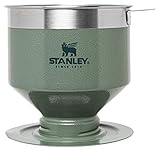
Overview: Stanley’s Perfect Brew Pour Over is a durable, single-cup manual brewer featuring a stainless steel reusable filter. Marketed for eco-conscious users, it promises rich flavor extraction and versatility for home, office, or outdoor use. Its rugged hammertone green finish emphasizes portability and longevity. What Makes It Stand Out: The all-stainless-steel construction ensures durability and heat retention, while the reusable filter captures coffee’s aromatic oils better than paper. Its rugged design targets adventurers, and the simple three-step process (add grounds, pour water, remove dripper) prioritizes ease. Stanley’s brand reputation for toughness adds credibility. Value for Money: Competitive pricing for stainless steel durability, eliminating ongoing filter costs. It outperforms fragile glass or plastic rivals in longevity and justifies its cost for frequent users. However, the single-cup capacity limits value for households, making it best suited for solo coffee drinkers. Strengths and Weaknesses: Strengths: Extremely durable, eco-friendly reusable filter, easy hand-cleaning, portable, enhances flavor oils. Weaknesses: Single-serve only, no capacity markings, coarse grind sensitivity (per notes), potential for spills without a stable base. Bottom Line: A robust, sustainable choice for individuals prioritizing durability and flavor purity. While limited to single servings, its reusable filter and rugged build offer excellent long-term value for personal use, especially outdoors.
8. Bodum 34oz Pour Over Coffee Maker, High-Heat Borosilicate Glass with Reusable Stainless Steel Filter and Cork Grip - Made in Portugal

Overview: Bodum’s 34oz Pour Over Coffee Maker blends elegant design with functionality, featuring heat-resistant borosilicate glass and a stainless steel filter. Crafted in Portugal, it brews up to eight 4oz servings, targeting style-conscious users who appreciate manual brewing and premium materials for home use. What Makes It Stand Out: The borosilicate glass carafe with cork grip offers both thermal protection and aesthetic appeal, while the permanent stainless steel mesh filter enhances oil retention for richer flavor. Dishwasher-safe construction and a single-wall design prioritize simplicity. Its generous 34oz capacity suits small gatherings. Value for Money: Mid-to-high pricing reflects European craftsmanship and durable materials. The reusable filter saves money versus paper alternatives long-term. It competes well with similar glass brewers, though cheaper plastic options exist—Bodum’s superior heat resistance and elegance justify the premium for design-focused buyers. Strengths and Weaknesses: Strengths: Elegant glass design, cork grip for safety, large capacity, reusable filter, dishwasher-safe, excellent flavor extraction. Weaknesses: Glass is fragile, cork may degrade over time, no pour-over stand included, requires careful handling when hot. Bottom Line: A stylish, high-capacity brewer ideal for hosting or family use. Its premium materials and flavor-focused design deliver strong value for those willing to handle glass carefully, making it a sophisticated centerpiece for coffee lovers.
9. Roogaluckeep Pour Over Coffee Dripper, Stainless Steel Coffee Filter, Paperless Reusable Coffee Filter, Metal 600 Mesh Strainer Coffee Maker Single Cup Brewer 1-2 Cup

Overview: The Roogaluckeep Pour Over Dripper is a minimalist, single-cup stainless steel brewer emphasizing eco-friendliness and precision. Its 600-mesh filter and spiral rib design target optimal extraction for 1-2 cups, appealing to users seeking waste-free, high-quality coffee with quick cleanup. What Makes It Stand Out: The ultra-fine 600-mesh stainless steel filter ensures thorough sediment blocking while maximizing flavor oil retention. Precision-engineered spiral ribs and a large drainage hole regulate flow for balanced extraction. Its universal 02-size compatibility, BPA-free heat resistance, and one-piece design prioritize simplicity and sustainability. Value for Money: Budget-friendly pricing for durable stainless steel construction. Eliminating paper filters saves long-term costs, and its versatility across mugs/carafes enhances utility. While basic, it outperforms cheaper plastic drippers in build and extraction, offering exceptional value for eco-conscious solo brewers. Strengths and Weaknesses: Strengths: Excellent filtration, reusable (zero waste), durable heat resistance, easy cleaning, broad compatibility, compact. Weaknesses: No included filters or starter supplies, minimal design lacks aesthetic flair, small capacity limits use. Bottom Line: A no-frills, highly functional dripper that excels in sustainability and extraction. Perfect for budget-aware, environmentally conscious individuals seeking a reliable single-serve solution without compromise.
10. Melitta 64007 1 Cup Black Pour-Over Coffee Brew Cone

Overview: Melitta’s 1-Cup Pour-Over Coffee Brew Cone is a classic, entry-level paper-filter dripper designed for simplicity and precision. Including a starter pack of filters, it caters to purists who value control over the brewing process and the clean taste paper filters provide, ideal for single-serve gourmet coffee at home. What Makes It Stand Out: Melitta’s signature cone design—engineered for optimal water dispersion and saturation—ensures consistent extraction. The included Number 2 filters (a Melitta standard) minimize bitterness, while the compact, lightweight ceramic cone offers stability and heat retention. Its heritage as pour-over pioneers adds trust. Value for Money: Extremely affordable, especially considering the included filter supply. Though paper filters add recurring costs, the cone’s low price makes it accessible. It’s the most budget-friendly option here, perfect for beginners or those testing pour-over methods without commitment. Strengths and Weaknesses: Strengths: Simple, reliable brewing, clean flavor profile, affordable, portable, excellent for coffee control. Weaknesses: Requires paper filters (ongoing cost/waste), fragile ceramic, no reusable option, minimal design lacks modern features. Bottom Line: An unbeatable starter kit for pour-over newcomers or minimalists prioritizing pure flavor. Its low cost, simplicity, and Melitta’s legacy make it a must-try, despite the need for disposable filters.
Understanding Why Coffee Gets Wasted in Pour Over Brewing
The Mismatched Capacity Conundrum
Using equipment designed for multiple cups to brew a single serving is a primary culprit. Drippers and stands sized for larger volumes often require more coffee and water than necessary for one cup. This forces you to either brew extra (leading to stale leftovers) or drastically reduce the coffee dose, which disrupts the critical coffee-to-water ratio and extraction dynamics. The resulting weak, under-extracted coffee is often discarded, wasting both beans and effort. True single-serve systems are calibrated from the ground up for the precise volume of one standard serving.
Inconsistent Pouring Techniques
Mastering the pour – the speed, spiral pattern, and water temperature stability – is fundamental to pour-over. Inconsistency here directly impacts extraction. Pouring too fast leads to channeling (water finding paths of least resistance), leaving dry, unextracted grounds. Pouring too slowly or unevenly can cause over-extraction in some areas and under-extraction in others. Both scenarios mean some coffee grounds contribute little to the final cup yet still get thrown away, representing wasted potential and beans. Equipment that aids consistency mitigates this.
Equipment Design Flaws Causing Spillage and Drips
Poorly designed spouts, unstable bases, or inadequate sealing between the dripper and carafe/cup are surprisingly common sources of waste. Water pooling around the base, drips after brewing, or splashes during the pour translate directly to lost brewed coffee. Furthermore, designs that make transferring the dripper messy or require rinsing excess grounds from the rim contribute to accidental loss. Attention to ergonomic details in the equipment’s construction is crucial for minimizing these physical losses.
Essential Features That Minimize Waste in Single Serve Systems
Precision Brewing Volume Calibration
The cornerstone of waste reduction is equipment designed exclusively for single servings. Look for systems where the dripper’s capacity, the carafe or mug adapter’s volume, and even the included scoop or measurement guide are all harmonized for brewing 10-12 ounces (300-350ml) of coffee. This eliminates guesswork and ensures you use only the coffee and water needed for your desired cup size, preventing the “too much/too little” dilemma that leads to discards.
Stable, Secure, and Leak-Proof Construction
A wobbly dripper perched precariously on a mug is a spill waiting to happen. Seek out bases with substantial weight or non-slip materials, and ensure the connection point between the dripper and its vessel (mug, carafe, stand) is secure and creates a good seal. Integrated stands that hold your specific mug size firmly, or carafes with stable bases and well-designed spouts that stop dripping cleanly, are vital. This stability prevents physical loss of brewed coffee during and after brewing.
Optimized Filter Fit and Grounds Containment
Filters that don’t fit snugly can allow grounds to escape into the brew or create channels. Systems designed for specific filter sizes (like #2 cone or proprietary flat-bottom) ensure a perfect fit, maximizing contact time and preventing bypass. Additionally, consider how easily grounds are contained after brewing. Drippers with a tapered base that holds the filter securely, or designs that let you simply lift the entire filter basket out without spilling, make disposal cleaner and reduce the chance of losing brewed coffee clinging to loose grounds.
Material Matters: How Construction Impacts Efficiency and Waste
Heat Retention Properties of Ceramic vs. Glass
Both ceramic and glass are popular, but their thermal properties differ. Ceramic generally retains heat better than standard glass during the brew cycle. This is critical because a dripper that cools too quickly causes the water temperature to drop mid-pour, leading to under-extraction in the latter stages of brewing. Under-extracted grounds are essentially wasted coffee, as their full flavor potential wasn’t realized. Better heat retention promotes even extraction throughout, getting the most out of every bean.
The Durability and Consistency of Stainless Steel
Stainless steel drippers offer excellent heat retention and are incredibly durable. Their consistent thermal mass helps maintain optimal brewing temperature from first pour to last drop, promoting even extraction. While they might not have the visual appeal of glass or ceramic for some, their functional superiority in temperature stability directly combats under-extraction waste. They are also less prone to chipping or breaking, ensuring long-term reliable performance without needing replacement.
Silicone Components for Stability and Sealing
Don’t overlook the role of silicone. High-quality silicone bases, gaskets, or mug adapters provide essential non-slip stability and create effective seals to prevent leaks and drips. A secure silicone ring where the dripper meets the carafe or mug stops brewed coffee from seeping out the sides. Silicone stands also protect surfaces and keep the entire setup firmly in place during pouring, eliminating spills caused by slippage – a direct line item in the waste reduction ledger.
Capacity Considerations Beyond Just “One Cup”
Defining Your True “Single Serve” Volume
“Single serve” isn’t one-size-fits-all. Are you brewing a modest 6-8oz morning cup, a standard 10-12oz mug, or a larger travel tumbler size? Choosing a system calibrated precisely for your typical consumption volume is key. A dripper designed for 8oz will likely lead to waste if you consistently try to fill a 16oz travel mug (requiring multiple pours/batches), or conversely, force you to under-dose for a smaller cup. Match the system’s engineered capacity to your habitual cup size.
The Role of Integrated Measurement Guides
Waste often starts with inaccurate dosing. The best single-serve systems incorporate clear, intuitive measurement guides directly into the design. This could be volume markings etched inside the carafe, a dedicated single-serve scoop included, or visual indicators on the dripper itself showing optimal fill levels for coffee grounds. Eliminating the need for separate scales or guesswork ensures you consistently use the correct coffee-to-water ratio, preventing weak (wasted coffee strength) or overly strong (wasted coffee via over-dosing) brews.
Accommodating Different Mug and Carafe Sizes
Flexibility within the single-serve realm is important. Look for systems with adjustable stands or interchangeable adapters that securely hold a variety of common mug diameters (e.g., standard ceramic mugs, travel tumblers with narrow mouths). Some integrate a small, dedicated carafe specifically sized for one perfect cup. Avoid systems that only fit one very specific mug type, as this rigidity can lead to instability (spills) or force you to use an ill-fitting vessel, both contributing to waste.
Mastering the Brew: Technique Tips to Complement Your Gear
Perfecting the Bloom for Complete Saturation
The initial bloom – pouring just enough hot water to saturate the grounds and let them degas – is non-negotiable for even extraction. Inadequate blooming leaves dry pockets of coffee that never properly extract, essentially wasting those grounds. Take 30-45 seconds during the bloom, ensuring all grounds are uniformly wet and the bed is level. This simple step ensures maximum utilization of your coffee dose.
Controlling Pour Rate and Pattern for Even Extraction
A slow, controlled pour in a consistent spiral pattern (starting from the center and moving outwards, then back in) is essential. Pouring too fast causes channeling; pouring too slowly risks over-extraction in the center. Aim for a steady, gentle stream that maintains a consistent water level in the dripper, allowing water to interact fully with all grounds. This uniform extraction means every ground contributes optimally, minimizing wasted potential.
Water Temperature Management Throughout the Brew
Starting with water just off the boil (195-205°F / 90-96°C) is standard, but the temperature drop during brewing matters. Using a gooseneck kettle helps control the pour, but the dripper’s material (as discussed) also plays a role. If your water cools too much mid-brew (below 190°F/88°C), extraction stalls, leaving under-extracted, sour notes and wasting the later stages of the coffee bed. Pre-heating your dripper and vessel helps maintain thermal stability for complete extraction.
Evaluating Ease of Use and Cleanup for Sustainable Habits
Streamlined Setup for Daily Consistency
A system that’s a hassle to assemble is one you won’t use consistently well, leading to rushed, error-prone brewing and potential waste. Look for intuitive designs: filters that pop in easily, stands that require no fiddly adjustments, and clear visual cues. The fewer steps and less mental energy required for a proper setup, the more likely you are to execute the brew correctly every time, maximizing yield from your beans.
Hassle-Free Filter and Grounds Disposal
How easy is it to remove the used filter and grounds without making a mess? Systems where the entire filter basket lifts out cleanly, or where the dripper design naturally contains the used puck, make disposal quick and spill-proof. Avoid designs where you have to awkwardly peel a soggy filter off the rim or risk dumping grounds everywhere. Efficient cleanup encourages consistent use and prevents the frustration that leads to abandoning the method (and wasting future coffee).
Dishwasher Safety vs. Hand-Wash Simplicity
Consider your cleanup routine. While dishwasher-safe components (especially glass carafes or stainless steel parts) offer convenience, ensure it won’t degrade materials like certain plastics or silicone over time. Alternatively, a system with very few parts that are exceptionally easy to rinse by hand under the tap can be equally efficient and gentler on the equipment. The goal is effortless cleanup that doesn’t become a barrier to regular, waste-minimizing use.
Long-Term Value: Durability and Reducing Replacement Waste
Investing in Quality Materials for Longevity
Choosing well-made equipment from durable materials (thick borosilicate glass, robust ceramic, food-grade stainless steel, high-grade silicone) isn’t just about performance; it’s a waste-reduction strategy. Cheap plastics can crack, warp, or retain odors, leading to premature replacement. A well-crafted pour-over set, cared for properly, can last for years, even decades, preventing the environmental and financial waste associated with constantly buying new, disposable, or low-quality units.
Assessing Repairability and Part Availability
While less common with simple pour-over systems, consider if key components (like a silicone gasket or a specific filter type) are readily available for replacement. A system where a single broken, non-replaceable part renders the whole unit useless contributes to e-waste. Opting for designs with standard filters or easily sourced minor components enhances the product’s lifespan and reduces long-term waste.
The Environmental Impact of Sustainable Choices
Beyond saving your coffee beans, choosing a durable, long-lasting pour-over system made from sustainable or recyclable materials (like glass, ceramic, or metal vs. excessive plastic) reduces your overall environmental footprint. It’s a shift from a disposable mindset to one of stewardship, aligning the ritual of mindful coffee brewing with mindful consumption of resources. The initial investment pays off in reduced waste over time.
Frequently Asked Questions
How much coffee waste is typical with standard pour-over methods?
Typical waste varies greatly but often stems from brewing larger batches than consumed (leading to stale leftovers) or inconsistent technique causing under-extracted grounds that don’t contribute flavor. Single-serve specific systems target reducing this to near zero by matching capacity precisely and promoting even extraction.
Can the right single-serve system really save me money on coffee?
Absolutely. By ensuring you only brew the exact amount you’ll drink immediately and maximizing extraction efficiency (so every bean contributes fully to the cup), you minimize the amount of coffee beans that end up unused or poorly utilized, getting more value from each bag you purchase.
What’s the biggest mistake leading to wasted grounds in single-serve brewing?
Under-dosing coffee for the water volume is a major error. Using too little coffee relative to water results in weak, under-extracted coffee where much of the coffee’s potential flavor wasn’t dissolved, essentially wasting those grounds. Always adhere to the correct coffee-to-water ratio for your target strength.
Do I need a scale to avoid wasting coffee with pour-over?
While a scale is the most precise tool for dosing, high-quality single-serve systems often include effective built-in measurement guides (scoops, volume markings) that eliminate the need for a scale for consistent, waste-minimizing results in single servings.
How does water temperature affect coffee waste?
Water that’s too cool during brewing (especially later in the pour) causes extraction to stall, leaving valuable soluble compounds locked in the grounds. These under-extracted grounds are wasted potential. Maintaining proper temperature throughout ensures maximum flavor yield.
Are paper filters a source of coffee waste?
Paper filters themselves don’t cause coffee waste, but using the wrong size or low-quality filters can. Filters that don’t fit properly allow channeling (wasting grounds via uneven extraction) or can tear, causing messes. Use the size and quality recommended for your specific dripper.
Can a poor pour technique waste more coffee than the equipment?
Yes. Even the best equipment can’t compensate for a very fast, uneven, or improperly timed pour, which leads to channeling or stalled extraction – both resulting in under-utilized grounds. Technique and equipment work hand-in-hand to minimize waste.
How important is pre-heating the dripper and vessel?
Crucial for waste reduction. Cold ceramic, glass, or metal absorbs significant heat from your brewing water, causing the temperature to drop too low too quickly. This leads to incomplete extraction, especially in the later stages, wasting the potential of the coffee grounds used.
Does the grind size impact how much coffee gets wasted?
Indirectly, yes. A grind that’s too coarse for the pour-over method and brew time leads to excessive channeling and under-extraction – much of the coffee isn’t properly dissolved. A grind too fine can cause clogging and over-extraction, but the primary waste culprit is usually under-extraction from coarse grind or poor technique.
Can a single-serve system be used for more than one cup without wasting coffee?
Most dedicated single-serve systems are optimized for one cup. Attempting multiple cups often requires re-dosing and re-pouring, disrupting the ideal brew cycle and potentially leading to inconsistency or waste. For multiple cups, a larger dedicated pour-over setup is more efficient.
See Also
- 10 Best Carafe Coffee Makers for Consistent Brewing in 2026
- We Tested 50 Portable Coffee Makers - Here are the 10 Best for Camping
- ‘Best Coffee Makers for Large Families: 10 Expert Picks for 2026’
- 10 Affordable Coffee Maker Water Filters That Don’t Sacrifice Quality in 2026
- Stop Wasting Coffee Pods with the 10 Best Automatic Pod Coffee Makers This