Table of Contents
Nothing ruins that perfect morning espresso shot quite like a sluggish machine and subtle off-flavors that weren’t there a few months ago. If you’ve noticed your espresso maker taking longer to heat up, producing weaker pressure, or delivering coffee with a slightly metallic or bitter undertone, calcium buildup is likely the culprit lurking in your boiler and pipes. This mineral accumulation isn’t just a minor inconvenience—it’s a silent performance killer that gradually strangles your machine’s efficiency and compromises every cup you brew.
The good news? You don’t need to be a professional technician to restore your espresso machine to its former glory. Understanding how to effectively combat scale deposits with the right descaling solutions will save you hundreds in potential repairs and extend your equipment’s lifespan by years. This comprehensive guide walks you through everything you need to know about selecting and using descaling solutions in 2026, from deciphering ingredient labels to implementing preventive strategies that keep your machine running flawlessly.
Top 10 Espresso Machine Descaling Solutions
Detailed Product Reviews
1. De’Longhi EcoDecalk Descaler, Universal Descaling Solution for Coffee & Espresso Machines, 16.90 oz (5 uses)

Overview: The De’Longhi EcoDecalk is the manufacturer’s official descaling solution, offering a plant-based formula in a 16.9-ounce bottle that provides five descaling cycles. Designed for use every three months, this lactic acid-based solution promises 15 months of maintenance for average households while maintaining compatibility across virtually all coffee machine brands.
What Makes It Stand Out: As the official product from the world leader in espresso machines, EcoDecalk carries brand authority that third-party alternatives cannot match. The plant-based lactic acid formula effectively dissolves limescale while being gentler on internal components than harsher chemicals. Despite being a De’Longhi product, it’s universally compatible with Breville, Ninja, Philips, and other major brands, making it versatile for multi-machine households.
Value for Money: Priced around $20 for five uses, each descaling session costs approximately $4. While premium compared to generic options, you’re paying for manufacturer-backed reliability and a precisely calibrated formula. The 15-month supply schedule eliminates guesswork, and using an official descaler may preserve warranty coverage on De’Longhi machines.
Strengths and Weaknesses: Strengths: Official manufacturer product; plant-based, safe formula; universal brand compatibility; clear usage timeline; trusted brand reputation. Weaknesses: Higher cost per use than third-party alternatives; lactic acid may work slower than citric acid formulas; limited to five uses per bottle.
Bottom Line: The EcoDecalk is the premium choice for De’Longhi owners seeking peace of mind. While not the cheapest option, its manufacturer backing and proven effectiveness justify the investment for those prioritizing machine longevity and optimal performance.
2. Descaler (2 Pack, 2 Uses Per Bottle) - Made in the USA - Universal Descaling Solution for Keurig, Nespresso, Delonghi and All Single Use Coffee and Espresso Machines

Overview: This American-made descaling kit includes two 8-ounce bottles, providing four total descaling sessions for single-serve and espresso machines. The concentrated formula requires only 4 ounces per use, making it an efficient option for quarterly maintenance. It’s designed to work across an extensive range of brands from Keurig to commercial cappuccino machines.
What Makes It Stand Out: The concentration sets this apart—most competitors require a full bottle per use, while this solution delivers two uses per 8-ounce bottle. The Made in USA label appeals to quality-conscious consumers, and the remarkably broad compatibility covers everything from pod machines to electric kettles. Each session packs over a year of cleaning power into a small dose.
Value for Money: Typically retailing for $15-18, each descaling costs $3.75-4.50. While not the absolute cheapest, the concentration provides good value. Four uses cover a full year of maintenance for most households, and the multi-purpose nature means one product can service various appliances, reducing the need for multiple specialized cleaners.
Strengths and Weaknesses: Strengths: Highly concentrated formula; Made in USA; exceptional compatibility; versatile for multiple appliance types; straightforward usage instructions. Weaknesses: Only four uses total; brand name lacks recognition; smaller bottle size may be easy to misplace; less eco-friendly packaging than some competitors.
Bottom Line: A solid mid-range performer for budget-conscious buyers wanting American-made quality. The concentration and versatility make it practical for households with diverse coffee equipment, though brand-agnostic users may find better value elsewhere.
3. ACTIVE Coffee Machine Descaler Descaling Solution - 32oz (8 Uses) Compatible with Keurig,Nespresso,Breville,Delonghi, Jura, Ninja - Espresso Coffee Maker Cleaner,Coffee Pot Cleaning Limescale Remover

Overview: ACTIVE’s 32-ounce bottle delivers eight descaling cycles in a single container, positioning itself as a value-focused alternative to smaller kits. The citric acid-based formula, manufactured in the USA, targets limescale and oil buildup across all coffee machine categories—from single-serve pods to super-automatic espresso systems. One bottle replaces multiple smaller kits, reducing plastic waste.
What Makes It Stand Out: The sheer volume-to-price ratio makes this the budget champion. Unlike multi-bottle packs, this single large container minimizes environmental impact while maximizing uses. The natural citric acid formula effectively cuts through scale without harsh chemicals, and the compatibility list is exhaustive, covering niche brands like Jura, Gaggia, and Moccamaster alongside mainstream options.
Value for Money: At $15-20 for eight uses, each session costs just $2-2.50—among the lowest per-use prices available. This represents exceptional value for heavy coffee drinkers or households with multiple machines. The larger bottle reduces reordering frequency and packaging waste, creating both economic and ecological savings.
Strengths and Weaknesses: Strengths: Outstanding value per use; eco-friendly single-bottle packaging; natural citric acid formula; universal compatibility; Made in USA. Weaknesses: Large bottle may be cumbersome to store; single container means no backup if you run out; requires precise measuring; less portable than smaller kits.
Bottom Line: The ACTIVE descaler is the value king for coffee enthusiasts who prioritize economy and environmental consciousness. If you don’t mind storing a larger bottle, this offers the best cost-per-use ratio in the category without sacrificing effectiveness.
4. Essential Values Descaling Solution for Delonghi Keurig Breville Nespresso (4 Uses) - Coffee Machine Descaler Cleaner - Liquid To Descale Automatic Coffee Makers & Espresso Machines

Overview: Essential Values offers a two-bottle kit (8 ounces each) providing four descaling sessions using a concentrated citric acid formula. Marketed as an eco-conscious alternative, the solution comes in recyclable PET bottles and promises odorless, powerful cleaning for virtually all coffee machine brands. The natural formulation appeals to health and environmentally aware consumers.
What Makes It Stand Out: The commitment to natural, odorless citric acid distinguishes this from chemical-heavy competitors. The recyclable packaging aligns with sustainable values, while the formula’s versatility extends beyond coffee makers to kettles and water heaters. Despite being a third-party product, it maintains compatibility with premium brands like De’Longhi, Breville, and Nespresso.
Value for Money: Priced at $12-15 for four uses, each session costs $3-3.75—positioning it as a mid-tier value option. While not the cheapest, the natural ingredients and eco-friendly packaging justify the modest premium. The two-bottle format provides a backup, ensuring you’re never caught without descaler when needed.
Strengths and Weaknesses: Strengths: Natural citric acid formula; recyclable packaging; odorless operation; versatile for multiple appliances; provides backup bottle. Weaknesses: Fewer total uses than bulk options; requires two bottles for four uses; may need more frequent repurchasing; less brand recognition than De’Longhi.
Bottom Line: Essential Values is ideal for environmentally conscious users seeking a natural, effective descaler. The eco-friendly packaging and citric acid formula make it a responsible choice, though heavy users may prefer larger quantities for better long-term value.
5. De’Longhi EcoDecalk Descaler 2-Pack, Eco-Friendly Universal Descaling Solution for Coffee & Espresso Machines, 33.8 oz (10 uses)

Overview: This bulk offering from De’Longhi doubles down on their official EcoDecalk formula, providing two 16.9-ounce bottles for a total of ten descaling sessions. The 100% lactic acid solution maintains the brand’s eco-friendly positioning while delivering a 30-month supply for average users. As the manufacturer’s proprietary blend, it’s engineered specifically for optimal performance across all espresso and coffee machines.
What Makes It Stand Out: The combination of official manufacturer backing and bulk savings creates a unique value proposition. Using 100% lactic acid, this formula is specifically designed to minimize premature breakdown risks while maximizing energy efficiency. The ten-use supply represents the longest maintenance cycle in the De’Longhi lineup, reducing reordering hassle and ensuring consistent machine care with a proven solution.
Value for Money: At $25-30 for ten uses, each session costs $2.50-3—significantly cheaper than the single-bottle De’Longhi option while maintaining brand authenticity. This bulk pack offers the best per-use value among official manufacturer descalers. For De’Longhi machine owners, it may also protect warranty validity, adding intangible value beyond the price per ounce.
Strengths and Weaknesses: Strengths: Official manufacturer product; bulk quantity savings; 100% lactic acid formula; 30-month supply; reduces breakdown risk; universal compatibility. Weaknesses: Higher upfront investment; lactic acid may be slower acting than citric acid; premium over third-party options; overkill for casual users.
Bottom Line: For De’Longhi loyalists and serious coffee enthusiasts, this 2-pack offers the perfect blend of manufacturer quality and bulk value. The extended supply and official formulation make it a wise investment for protecting premium espresso equipment over the long term.
6. Breville Compatible Descaling Solution. Specially Formulated to Clean & Descale your Breville Espresso Machine. 2 Uses per Bottle, 2 Pack. Eco-Friendly Carbon Neutral Descaler Kit.

Overview: This specialized descaling solution targets Breville espresso machines with precision engineering. The two-bottle kit delivers four total uses, systematically dissolving mineral buildup and limescale that degrade coffee flavor and mechanical performance. Its carbon-neutral certification and eco-friendly composition appeal to environmentally conscious consumers seeking manufacturer-aligned maintenance products.
What Makes It Stand Out: The Breville-specific formulation eliminates compatibility guesswork while remaining odorless throughout the cleaning cycle—a significant advantage over vinegar-based alternatives. The carbon-neutral production demonstrates authentic environmental commitment rather than greenwashing. Each bottle’s dual-use design creates a clear maintenance schedule, simplifying semi-annual descaling routines for optimal machine care.
Value for Money: Four uses provide year-long coverage for typical households, justifying the premium pricing common to brand-specific solutions. While generic descalers cost less, this formula’s guaranteed compatibility protects warranty coverage and ensures consistent results. The eco-friendly formulation adds value for sustainability-minded buyers who prioritize environmental impact alongside performance.
Strengths and Weaknesses: Pros:
- Breville-specific formulation ensures perfect compatibility
- Completely odorless operation
- Carbon-neutral, environmentally responsible
- Clear usage instructions with two uses per bottle
Cons:
- Limited to Breville machines only
- Premium pricing compared to universal descalers
- Only four uses may require frequent repurchasing
Bottom Line: For Breville owners prioritizing machine longevity and environmental responsibility, this descaler delivers reliable performance despite its premium price. The odor-free, eco-friendly formula makes it worth the investment for dedicated espresso enthusiasts.
7. IMPRESA Coffee Machine Descaler (2 Uses Per Bottle) - Made in the USA - Universal Descaling Solution, Compatible with Nespresso, Delonghi and All Single Use Coffee and Espresso Machines

Overview: IMPRESA’s universal descaling solution provides broad compatibility across virtually all single-serve coffee and espresso machines. Proudly manufactured in the USA, each bottle delivers two uses, with this two-pack providing four total treatments. The formula aggressively targets limescale and mineral deposits while remaining gentle on internal components and seals.
What Makes It Stand Out: The universal formulation works with an extensive brand list including Nespresso, Delonghi, Hamilton Beach, and Cuisinart, eliminating the need for multiple machine-specific cleaners. USA-made quality assurance appeals to consumers prioritizing domestic manufacturing. The versatile application extends beyond coffee makers to kettles and electric water heaters, maximizing utility.
Value for Money: Universal compatibility offers exceptional value for multi-brand households, eliminating separate purchases for different machines. Four uses provide six to eight months of coverage with bi-monthly application. While moderately priced above generic options, American manufacturing and broad utility justify the cost through convenience and quality assurance.
Strengths and Weaknesses: Pros:
- Universal compatibility with major brands
- Made in USA quality assurance
- Versatile for multiple appliance types
- Gentle yet effective formula
Cons:
- Only two uses per bottle (less concentrated than some)
- May not be optimized for specific high-end machines
- No eco-certifications mentioned
Bottom Line: IMPRESA’s universal descaler excels for multi-brand households seeking American-made quality. Its versatility and proven effectiveness make it a smart investment, though eco-conscious buyers may prefer certified green alternatives.
8. De’Longhi EcoDecalk Descaler, Eco-Friendly Universal Descaling Solution for Coffee & Espresso Machines, 2-Pack (1 use per pack)
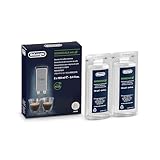
Overview: De’Longhi’s EcoDecalk represents manufacturer-developed eco-conscious maintenance. This two-pack provides two single-use treatments with plant-based, biodegradable ingredients. While optimized for De’Longhi machines, it maintains universal compatibility. The formula promises faster limescale removal than citric acid alternatives while preserving coffee flavor integrity and energy efficiency.
What Makes It Stand Out: Plant-derived, high-quality ingredients deliver professional-grade descaling with minimal environmental impact. As a manufacturer-developed solution, it carries brand-specific expertise while remaining universally applicable. The concentrated 100ml single-use bottles eliminate measurement errors and ensure optimal dosing for consistent results without waste.
Value for Money: Two uses per package creates a higher per-treatment cost than concentrated alternatives. However, manufacturer-backed formulation and eco-friendly credentials justify the premium for De’Longhi owners. The single-use design prevents costly mistakes from incorrect mixing, potentially saving money long-term through optimal performance and machine protection.
Strengths and Weaknesses: Pros:
- Manufacturer-developed expertise
- Plant-based, biodegradable ingredients
- Pre-measured single-use bottles
- Faster than citric acid formulas
Cons:
- Only two uses per package (expensive per use)
- Small bottle size seems less substantial
- Premium pricing for eco-friendly formula
Bottom Line: De’Longhi owners seeking environmentally responsible, manufacturer-approved maintenance will find EcoDecalk worth the premium. The convenience and eco-credentials outweigh the higher per-use cost for quality-focused consumers.
9. Descaling Powder Solution (6-Uses) Coffee Machine Descaler Cleaner | Compatible with Breville Keurig Nespresso Delonghi Ninja | To Descale Automatic Coffee Pots & Makers & Espresso Machines

Overview: Bastion’s powdered descaler offers six uses in convenient single-serve packets, utilizing food-grade citric acid for safe, effective cleaning. Compatible with Breville, Keurig, Nespresso, and Delonghi machines, it targets limescale buildup without harsh chemicals. The powder format ensures economical shipping and storage while eliminating the environmental impact of liquid transport.
What Makes It Stand Out: Six uses per package provide exceptional year-long coverage. Food-grade citric acid formulation guarantees safety while eliminating the persistent aftertaste plaguing vinegar-based DIY solutions. Pre-measured packets remove guesswork and prevent waste, making the descaling process remarkably straightforward for any user regardless of experience level.
Value for Money: Six uses represent outstanding value, significantly undercutting liquid competitors on a per-treatment basis. The powder format reduces shipping costs and environmental impact. For households descaling every 2-3 months, one purchase covers 12-18 months, delivering budget-friendly maintenance without compromising effectiveness or safety.
Strengths and Weaknesses: Pros:
- Six uses per package (excellent value)
- Food-grade, eco-friendly citric acid
- No vinegar aftertaste or odor
- Pre-measured packets for convenience
Cons:
- Powder requires dissolving (extra step)
- Citric acid may be less potent than chemical alternatives
- Generic branding lacks manufacturer endorsement
Bottom Line: This powder descaler offers unbeatable value and convenience for multi-brand households. The food-grade formulation and generous quantity make it the smart choice for budget-conscious consumers prioritizing safety and simplicity.
10. Descaling Powder Solution (4 Uses) Removes Scale and Build-Up, Automatic Coffee Pots & Makers & Espresso Machines Descaler, Compatible with Keurig Breville Nespresso Delonghi Ninja

Overview: This four-use powder descaler effectively removes limescale from Keurig, Nespresso, Breville, and Jura machines. The odorless formula dissolves in warm water to create a powerful cleaning solution that prevents heating element damage and component corrosion. The powder format offers concentrated cleaning power without liquid shipping weight, reducing environmental impact.
What Makes It Stand Out: Completely odorless operation distinguishes it from vinegar-based cleaners, while powder concentration delivers professional-strength results. The formula specifically targets heating element protection, addressing a critical failure point in coffee machines. Universal compatibility covers domestic and commercial equipment, providing flexibility for various user needs and machine types.
Value for Money: Four uses per package positions this as a mid-range option, offering better value than single-use liquids but trailing six-use competitors. The powder format provides concentrated value, reducing per-use cost compared to pre-mixed solutions. For quarterly descaling, one package provides annual coverage at a reasonable price point with minimal waste.
Strengths and Weaknesses: Pros:
- Odorless formula
- Heating element protection focus
- Universal brand compatibility
- Concentrated powder value
Cons:
- Requires mixing and dissolving
- Only four uses (less than some competitors)
- No eco-friendly certifications
- Generic brand may lack quality assurance
Bottom Line: This powder descaler strikes a solid balance between effectiveness and value. The odorless operation and heating element protection make it a reliable choice for most coffee machine owners, though eco-conscious buyers have greener alternatives.
Understanding Calcium Buildup in Espresso Machines
What Causes Scale Formation
Calcium buildup, or limescale, forms when water containing dissolved minerals like calcium and magnesium heats up and evaporates, leaving behind crystalline deposits. In espresso machines, this process accelerates because water is heated rapidly under pressure to temperatures between 190-200°F. The hotter the water and the harder your local water supply, the faster these minerals accumulate on heating elements, inside boilers, and within narrow water pathways. Over time, these deposits harden into rock-like layers that insulate heating elements and restrict water flow.
Signs Your Machine Needs Descaling
Your espresso machine will communicate its distress through several telltale signals. Watch for increased brewing time, reduced steam pressure, unusual noises during operation, or water that takes longer to heat. You might notice white or greenish flakes in your coffee, inconsistent shot volumes, or automatic descaling indicator lights illuminating on digital models. If your machine struggles to maintain temperature or produces lukewarm espresso despite proper settings, scale has likely compromised the heating system’s efficiency.
How Hard Water Affects Your Equipment
Water hardness directly correlates with how frequently you’ll need to descale. Measured in grains per gallon or parts per million, hard water contains higher mineral concentrations that precipitate rapidly when heated. Living in areas with hard water means your espresso machine could develop significant scale deposits within weeks rather than months. This not only impacts performance but also forces heating elements to work harder, consuming more electricity and wearing out components prematurely. Testing your water hardness with inexpensive strips helps predict maintenance needs accurately.
Why Regular Descaling Matters
Impact on Coffee Flavor
Scale deposits don’t just affect mechanics—they fundamentally alter your coffee’s taste profile. Mineral buildup absorbs and releases compounds unevenly, creating unpredictable extraction patterns that result in sour, bitter, or flat flavors. The insulated heating elements can’t maintain precise temperatures, causing temperature fluctuations during extraction that destroy delicate aromatic oils. Even a thin layer of scale can reduce the clarity and complexity of your espresso, masking the nuanced notes you invested in quality beans to experience.
Effect on Machine Longevity
Neglecting descaling is the fastest way to send your espresso machine to an early grave. Scale acts as an abrasive that damages internal seals and gaskets while forcing pumps to work against increased resistance. Heating elements covered in scale overheat and burn out, and clogged solenoid valves require expensive replacements. Regular descaling prevents these issues, often doubling your machine’s operational lifespan and maintaining warranty compliance, as most manufacturers require documented maintenance.
Energy Efficiency Considerations
A scaled-up heating element requires up to 40% more energy to achieve the same temperature because the mineral layer insulates it from the water. This inefficiency translates directly into higher electricity bills and increased carbon footprint. Descaling restores optimal heat transfer, reducing energy consumption and helping your machine reach brewing temperature faster. For commercial operations running multiple machines, the energy savings alone justify a disciplined descaling schedule.
Types of Descaling Solutions Available
Liquid Descalers
Liquid formulations dominate the market for their convenience and rapid dissolution. These typically come in pre-measured bottles or concentrated forms requiring dilution. Liquids mix thoroughly with water, ensuring even distribution throughout the machine’s internal pathways. They’re particularly effective for quick maintenance cycles and work well for machines with automated descaling programs. However, liquids weigh more for shipping and may have shorter shelf lives once opened compared to dry alternatives.
Powder and Tablet Forms
Powdered and tablet descalers offer superior shelf stability and reduced environmental impact from packaging and transportation. Tablets provide precise dosing without measuring, eliminating guesswork and potential over-concentration. Powders allow customizable strength adjustments for varying scale severity. Both forms dissolve completely in hot water and are ideal for storage in humid environments where liquids might degrade. The trade-off is requiring thorough mixing to prevent undissolved particles from clogging sensitive components.
Natural Acid-Based Options
Citric acid and other food-grade acids derived from natural sources present an eco-friendly alternative to synthetic chemicals. These solutions break down scale effectively while being biodegradable and non-toxic. They’re particularly suitable for home users concerned about chemical residues affecting coffee flavor. Natural acids work more slowly than commercial formulations but offer peace of mind for those prioritizing environmental responsibility. The gentler action makes them safe for older machines with potentially compromised seals.
Commercial Grade Formulations
Professional-grade descalers contain optimized acid blends and corrosion inhibitors designed for heavy-duty use. These formulations tackle severe scale buildup in high-volume commercial machines while protecting brass, copper, and stainless steel components. They often include surfactants that help lift deposits and chelating agents that prevent re-deposition. While more expensive, commercial solutions deliver faster results and are engineered to meet strict food safety standards required in café environments.
Key Features to Evaluate When Choosing
Compatibility with Machine Materials
Not all descalers work safely with every espresso machine. Aluminum boilers require gentler acids than stainless steel systems can handle. Brass and copper components need corrosion inhibitors to prevent etching and damage. Before purchasing, verify the solution explicitly states compatibility with your machine’s internal materials. Using an incompatible descaler can void warranties and cause irreversible damage to sensitive parts, turning a maintenance procedure into a costly repair.
Concentration Levels
Descaling solutions range from ready-to-use formulations to highly concentrated products requiring precise dilution. Concentrated options offer better value and reduced storage space but demand careful measurement. Over-concentration can damage seals and heating elements, while under-dilution proves ineffective against stubborn scale. Ready-to-use solutions eliminate mixing errors but cost more per application. Consider your comfort level with measuring chemicals and whether you prefer the convenience of pre-mixed formulas.
Eco-Friendliness and Biodegradability
Modern descalers increasingly prioritize environmental responsibility. Look for biodegradable formulas that break down safely in wastewater systems without harming aquatic life. Phosphate-free options prevent algae blooms in local waterways. Some manufacturers now offer refillable containers or minimal packaging to reduce plastic waste. Certifications from environmental organizations can guide you toward genuinely green products rather than those using misleading marketing claims.
Odor and Residue Concerns
Quality descalers should rinse completely without leaving chemical odors or aftertastes. Some formulations include fragrances to mask acidic smells during the process, but these can linger if not thoroughly flushed. Residue-free formulas are critical for espresso machines where even trace chemicals affect flavor. Check user reviews specifically mentioning odor and taste outcomes, as these indicate real-world rinsing effectiveness. Solutions that require excessive rinsing waste water and time.
How to Select the Right Solution for Your Needs
Assessing Your Water Hardness
Begin by testing your water supply with hardness test strips available at hardware stores. Soft water (0-60 ppm) needs descaling only every 3-6 months, while hard water (120+ ppm) requires monthly attention. Very hard water (180+ ppm) might need specialized formulations or pretreatment. Your test results should directly influence the strength and frequency of descaling. Some solutions are specifically designed for extreme hardness and contain stronger acids or longer contact times to dissolve dense mineral layers.
Considering Machine Manufacturer Guidelines
Always consult your espresso machine’s manual before selecting a descaler. Manufacturers often recommend specific acid types or pH ranges that won’t damage proprietary components. Some brands require using their branded solutions to maintain warranty coverage. Others provide approved ingredient lists. Following these guidelines prevents chemical reactions with seals, gaskets, and boiler coatings that could lead to leaks or contamination. When in doubt, contact customer support for clarification on compatible descaling agents.
Frequency of Use Factors
Home users brewing 1-2 shots daily face different scale accumulation than commercial operations pulling hundreds of espressos. Heavy-use environments need faster-acting, more potent solutions that minimize downtime. Occasional home users can opt for gentler, slower-acting formulas that prioritize safety over speed. Consider how often you’re willing to perform maintenance—some solutions work overnight, while others require multiple short cycles. Your usage pattern determines whether you need a rapid commercial solution or a gradual home-use product.
Proper Application Techniques
Step-by-Step Descaling Process
Start by emptying the water reservoir and removing any water filters. Mix your descaling solution according to package directions using warm water for better dissolution. Fill the reservoir and run the solution through the steam wand and group head alternately, allowing it to sit for the recommended contact time. Never let the pump run dry. After cycling, let the machine sit with the solution inside for 15-30 minutes to break down deposits. Complete the process by thoroughly flushing the system with fresh water until no acidic smell remains.
Rinsing Protocols
Inadequate rinsing leaves residual acid that corrodes components and sours coffee. After descaling, fill and empty the water reservoir at least 3-5 times, running water through all outlets. For machines with boilers, heat fresh water to brewing temperature and flush several full tanks through. Taste the final rinse water—it should be neutral with no chemical aftertaste. Some users add a pinch of baking soda to the final rinse to neutralize any remaining acid, though this step isn’t necessary with quality solutions that rinse clean.
Common Mistakes to Avoid
Never descale a cold machine—warm water activates the solution more effectively. Don’t rush the contact time; acids need adequate duration to dissolve scale. Avoid using vinegar as a substitute; its acetic acid can damage seals and leave persistent odors. Never mix different descaling chemicals, as reactions can produce toxic fumes or ineffective compounds. Don’t forget to descale the steam wand and hot water spout, not just the brew group. Finally, never skip the final water filter replacement after descaling.
Safety and Handling Precautions
Protective Equipment Recommendations
Even food-safe acids can irritate skin and eyes. Wear chemical-resistant gloves and safety glasses when mixing and handling concentrated solutions. Work in a well-ventilated area to avoid inhaling fumes, especially with stronger commercial formulations. Keep a bowl of baking soda nearby to neutralize spills quickly. Store descalers in original containers away from children and pets, and never transfer them to unlabeled bottles that could be mistaken for beverages.
Ventilation Requirements
Descaling releases acidic vapors that can irritate respiratory systems. Open windows and use exhaust fans during the process, particularly in small kitchens. If your machine allows, run the initial solution cycle outside or in a garage. Never operate the steam wand indoors while descaling, as aerosolized acid mist settles on surfaces and can damage countertops or irritate lungs. Allow the machine to ventilate for several hours after descaling before brewing your first coffee.
Storage Guidelines
Store descaling solutions in cool, dry locations away from direct sunlight, which can degrade chemical stability. Keep powders sealed in airtight containers to prevent moisture absorption and clumping. Liquids should remain in their original bottles with caps tightly secured. Avoid storing descalers near food items or in refrigerator spaces. Check expiration dates annually—expired products lose potency and may not effectively remove scale, leading to false confidence in your maintenance routine.
Preventing Future Calcium Buildup
Water Filtration Systems
Installing an in-line water filter or using filtered water in the reservoir dramatically reduces mineral input. Activated carbon filters remove some hardness while improving taste. For severe hardness, consider reverse osmosis systems that strip nearly all minerals, though you’ll need to add back some minerals for optimal coffee extraction. Many modern espresso machines include proprietary water filters that fit directly in the reservoir, providing convenient protection without external plumbing modifications.
Regular Maintenance Schedules
Consistency beats intensity in scale prevention. Brief weekly backflushing with plain water removes loose minerals before they harden. Monthly descaling with gentler solutions prevents heavy accumulation that requires aggressive chemicals. Keep a logbook near your machine to track maintenance dates and water hardness readings. Set calendar reminders on your phone for proactive scheduling rather than waiting for performance degradation. Preventive descaling takes less time and uses milder solutions than emergency scale removal.
Water Softening Options
For extremely hard water areas, whole-house or under-sink water softeners provide the ultimate protection. These systems exchange calcium and magnesium ions for sodium, preventing scale formation entirely. Portable exchange tank services offer maintenance-free softening for renters. While initial costs are higher, softeners pay for themselves by eliminating descaling needs and extending appliance lifespans across your entire home. Remember that softened water requires adjusting coffee recipes, as mineral content affects extraction dynamics.
Troubleshooting Descaling Challenges
Dealing with Heavy Scale Deposits
Severe buildup may require multiple descaling cycles or stronger solutions. For extreme cases, consider using a slightly higher concentration than standard, but never exceed manufacturer maximums. Let the solution work overnight for deep penetration. If flow remains restricted after descaling, disassemble and soak affected parts separately in a descaling bath. Never use mechanical scraping tools inside boilers or tubes, as these scratch surfaces and create nucleation sites for faster future scale formation.
Addressing Residual Taste Issues
Persistent chemical tastes after thorough rinsing indicate either incomplete scale removal or solution residue. Perform an additional full descaling cycle with a different formulation type to attack remaining deposits. For residue concerns, brew several “blank shots” using cheap coffee grounds, which absorb lingering chemicals. Some baristas recommend running a dilute citric acid solution followed by extensive rinsing to reset the system. If tastes persist, professional servicing may be necessary to replace contaminated seals or tubing.
When Professional Service Is Needed
If descaling fails to restore pressure or temperature, internal components may be damaged beyond chemical cleaning. Professional technicians can dismantle the machine, replace scaled sensors, and manually clean passages too narrow for solution circulation. Machines older than 5-7 years with unknown maintenance history often benefit from professional ultrasonic cleaning. Consider servicing if you notice leaks after descaling, as this indicates compromised seals that acids may have exacerbated.
Cost-Effectiveness Analysis
Bulk vs Single-Use Packaging
Single-use packets eliminate measuring errors and ensure fresh product for each application, ideal for occasional users. Bulk containers offer significant per-use savings for frequent descalers but require careful storage to maintain potency. Calculate your annual usage—if you descale monthly, bulk purchases cut costs by 40-60%. For commercial settings, industrial-sized containers with pumps provide the best economy. Always seal bulk products properly to prevent degradation that negates any savings.
Concentrated vs Ready-to-Use
Concentrated solutions cost less per application but require accurate dilution. Ready-to-use formulas cost 2-3 times more but save time and prevent mixing mistakes. For those uncomfortable handling chemicals, the premium for pre-mixed solutions is worthwhile insurance against machine damage. Some manufacturers offer “super-concentrates” where a single bottle provides a year’s worth of descaling, representing the best value for confident users. Factor in your local water cost when calculating true savings from concentrated products requiring multiple rinse cycles.
Long-term Value Considerations
The cheapest descaler isn’t the most economical if it damages your machine or requires replacement. Quality solutions with corrosion inhibitors prevent costly component failures. Calculate cost per descaling cycle rather than per bottle—a concentrated product may seem expensive but provides more applications. Consider time costs too; faster-acting solutions reduce downtime, crucial for commercial operations. Investing in preventive water treatment reduces descaling frequency, offering better long-term value than any descaling product alone.
Environmental Impact Considerations
Biodegradable Ingredients
Seek descalers listing biodegradable acids like citric, lactic, or sulfamic acid. These break down into harmless compounds within days of entering wastewater systems. Avoid products containing phosphates, which cause eutrophication in waterways. Some advanced formulations use plant-derived chelating agents that are both effective and environmentally benign. Certifications like EPA Safer Choice or EU Ecolabel verify legitimate environmental claims rather than greenwashing marketing.
Packaging Waste Reduction
Powder and tablet forms reduce plastic waste compared to liquid bottles. Some companies now offer compostable packaging or refill programs where you return empty containers. Concentrated products minimize packaging per use. Consider purchasing from brands using post-consumer recycled materials for their containers. For home users, buying one large container annually generates less waste than twelve individual packets. Properly recycle all descaler packaging according to local hazardous material guidelines.
Sustainable Manufacturing
Research brands that manufacture using renewable energy or carbon-neutral processes. Some companies offset shipping emissions or use regional production to reduce transportation impacts. While harder to verify, third-party sustainability certifications indicate genuine commitment beyond marketing. Supporting manufacturers with transparent supply chains encourages industry-wide environmental responsibility. The most sustainable approach combines effective descaling with water treatment to reduce overall chemical usage.
Creating a Maintenance Calendar
Seasonal Adjustments
Water hardness fluctuates seasonally as municipal sources shift between reservoirs and wells. Test water quarterly and adjust descaling frequency accordingly. Summer often brings harder water due to increased evaporation in source lakes. Winter may see softer water from snowmelt in some regions. In areas with agricultural runoff, spring and fall can introduce different mineral profiles. Keep seasonal test results in your maintenance log to identify patterns and optimize your schedule.
Usage-Based Timelines
Track not just calendar time but shot volume. A home machine pulling 2 shots daily needs descaling every 3-4 months, while the same machine making 10 shots daily requires monthly attention. Commercial machines often need weekly descaling during high-volume periods. Install shot counters on manual machines to quantify usage accurately. Combine calendar and volume triggers—descale either every 3 months or every 300 shots, whichever comes first, for proactive maintenance.
Reminder Systems
Modern espresso machines with digital displays often include programmable descaling reminders. For manual machines, set recurring phone alarms or use smart home assistants to announce maintenance windows. Some enthusiasts place stickers on their machine with the next descale date. Coffee apps can track maintenance across multiple devices. Link reminders to water filter replacement schedules for comprehensive care. The key is establishing a system you won’t ignore when life gets busy.
DIY Approaches vs Commercial Products
Common Household Alternatives
Citric acid powder from grocery stores offers a cheap, food-safe descaling option. Mix approximately 1-2 tablespoons per liter of water for a gentle yet effective solution. Some users swear by diluted lemon juice, though its variable acidity makes dosing unpredictable. White vinegar, while popular, contains acetic acid that can degrade rubber seals and leave lingering tastes. Baking soda solutions help neutralize acids but don’t dissolve scale effectively on their own. Always research your specific machine’s material compatibility before using homemade mixtures.
Effectiveness Comparisons
Commercial descalers outperform household alternatives in speed and completeness. They contain corrosion inhibitors and surfactants that household acids lack. Citric acid works but requires longer contact times and multiple applications for heavy scale. Vinegar’s pH is too low for safe use on many modern machines with sensitive components. Commercial products undergo testing to ensure they remove scale without damaging equipment. The time saved and risk reduction often justify the higher cost over DIY methods.
Risk Assessment
DIY descaling carries several risks: incorrect pH levels etch metal surfaces, residual acids cause faster re-scaling, and unknown reactions with internal coatings create leaks. Commercial products include neutralizers and rinsing aids that household acids lack. The primary risk of commercial solutions is cost, which is minimal compared to machine replacement. For machines under warranty, using non-approved descalers can void coverage. When weighing options, consider that professional repair costs dwarf any savings from DIY chemicals.
Frequently Asked Questions
How often should I descale my espresso machine? Descaling frequency depends on water hardness and usage volume. For average home use with moderately hard water, descale every 2-3 months. Soft water areas may extend to 4-6 months, while hard water requires monthly treatment. Commercial machines typically need descaling weekly. Always follow manufacturer recommendations and adjust based on performance changes.
Can I use vinegar to descale my espresso machine? While vinegar is acidic and dissolves scale, most manufacturers advise against it. Acetic acid can degrade rubber seals and gaskets, leading to leaks. Vinegar also leaves a strong odor that requires extensive rinsing to remove. Modern machines with aluminum components are particularly vulnerable to vinegar damage. Stick to manufacturer-approved descalers to protect your investment.
What happens if I don’t descale my machine? Neglecting descaling causes mineral deposits to insulate heating elements, reducing efficiency and increasing energy costs. Scale clogs water passages, decreasing pressure and affecting extraction quality. Eventually, pumps fail, valves stick, and heating elements burn out. The machine’s lifespan can be reduced by 50-70%, and repair costs often exceed the price of regular descaling.
Are natural descalers as effective as chemical ones? Food-grade citric acid and other natural acids effectively remove scale but work more slowly than commercial formulations. They lack corrosion inhibitors, so they’re best for light maintenance rather than heavy buildup. For severe scale, commercial products with chelating agents and surfactants perform better. Natural options excel for preventive care and users prioritizing environmental safety.
How do I know if descaling worked? Signs of successful descaling include restored brewing speed, improved steam pressure, consistent shot volumes, and elimination of metallic tastes. The machine should heat to temperature faster and operate more quietly. If you previously saw mineral flakes, they should disappear. Performance should match or exceed the machine’s original specifications.
Can descaling damage my espresso machine? When done correctly with compatible solutions, descaling is safe and beneficial. Damage occurs from using incorrect acids, over-concentrated solutions, or descaling too frequently. Always follow dilution instructions and manufacturer guidelines. Machines with pre-existing seal damage may develop leaks after descaling removes scale that was inadvertently sealing cracks—this indicates needed repairs, not descaling damage.
Should I remove the water filter before descaling? Yes, always remove carbon water filters before descaling. The acidic solution saturates the filter, damaging its structure and reducing effectiveness. Some filters can release accumulated minerals back into the system during descaling. Replace the filter after completing the descaling and rinsing process to ensure optimal performance and prevent re-contamination.
Why does my coffee taste weird after descaling? Off-tastes after descaling indicate incomplete rinsing or residual scale breaking loose. Perform additional rinse cycles until water tastes neutral. Brew several blank shots with old coffee grounds to absorb chemical residues. If tastes persist, the descaler may have been too harsh for your machine’s materials, or old scale deposits are still dissolving. A second descaling with a gentler solution often resolves this.
Can I prevent scale completely? While you can’t prevent all scale formation, you can minimize it significantly. Use softened or filtered water with low mineral content. Install in-machine water filters and replace them regularly. Empty the water reservoir daily to prevent mineral concentration from evaporation. Despite these measures, some descaling will always be necessary because even filtered water contains trace minerals that accumulate over time.
Is professional descaling worth the cost? Professional servicing costs $75-150 but provides deep cleaning impossible with home methods. Technicians disassemble machines, clean individual components, replace worn seals, and test performance metrics. For machines over 5 years old, those with unknown maintenance history, or commercial equipment, professional descaling every 12-18 months extends lifespan dramatically. Consider it insurance against catastrophic failure.
See Also
- 10 Essential Espresso Machine Cleaning Accessories for Quick Daily Wipe-Downs
- 10 Best Portable Espresso Machines for Outdoor Adventures in 2026
- How to Solve Weak Coffee with the 10 Best Espresso Machines with Pod Function
- 10 Essential Superautomatic Espresso Machines with Grinder Every Home Needs
- The 10 Best Espresso Machine Descalers for Consistent Performance in 2026