Table of Contents
There’s something almost magical about that first whiff of freshly ground coffee beans—the rich, complex aroma that promises a perfect espresso shot moments later. It’s a sensory experience that pre-ground coffee simply can’t replicate, no matter how high-quality the beans. When you invest in a grinder designed specifically for espresso, you’re not just buying a kitchen appliance; you’re unlocking the full potential of your coffee beans. That vibrant acidity, the velvety crema, the layered flavors that evolve with each sip—all of it starts with a consistent, precise grind. Skip this crucial step, and even the finest single-origin beans will deliver a flat, bitter, or sour disappointment.
Let’s be honest: espresso is unforgiving. It demands precision in every variable, and grind size sits at the heart of it all. Too coarse, and water rockets through, yielding a weak, sour shot; too fine, and you’ll choke the machine, resulting in over-extracted bitterness. A premium grinder isn’t a luxury—it’s the silent partner that transforms your home setup into a true craft coffee station. While entry-level options might tempt you, café-quality results require engineering that prioritizes consistency, reduced heat transfer, and micro-adjustments down to the micron. If you’re serious about dialing in perfect shots day after day, understanding what makes a grinder truly premium is your first step toward espresso nirvana.
Top 10 Espresso Grinders
Detailed Product Reviews
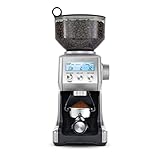
1. Breville BCG820BSS Smart Grinder Pro for Coffee and Espresso, Brushed Stainless Steel
Overview:
The Breville Smart Grinder Pro is a high-end electric conical burr grinder engineered for precision across diverse brewing methods, from espresso to French press. Its programmable system targets serious home baristas seeking consistency.
What Makes It Stand Out:
DOSING IQ technology stands out, enabling grind-time adjustments in 0.2-second increments for exact dosing. The 60 grind settings offer exceptional versatility, while the multi-purpose grinding chute accommodates portafilters, paper filters, or airtight containers directly. Pre-programmed settings simplify achieving ideal results for specific brews.
Value for Money:
Priced premium, it justifies cost through unparalleled dose control and build quality. While cheaper grinders exist, none match its granular timing precision or seamless integration with various brewing tools, making it a worthy investment for espresso enthusiasts.
Strengths and Weaknesses:
Strengths: Unmatched dose accuracy; versatile grind settings; durable stainless steel construction; intuitive direct-to-brew grinding.
Weaknesses: Higher price point; complex for casual users; larger footprint than budget models.
Bottom Line:
Ideal for dedicated coffee lovers prioritizing precision and versatility, the Smart Grinder Pro delivers professional results at home, though beginners may prefer simpler alternatives.
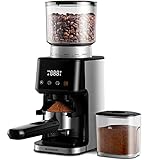
2. SHARDOR Conical Burr Espresso Coffee Grinder Electric with Precision Timer 2.0, Touchscreen Adjustable Burr Mill with 51 Precise Settings for Home Use, Anti-static, Stainless Steel
Overview:
The SHARDOR Conical Burr Grinder targets home users with espresso-focused precision, featuring anti-static technology and touchscreen controls for consistent, mess-free grinding across 51 settings.
What Makes It Stand Out:
Its anti-static technology significantly reduces coffee dust cling, ensuring cleaner operation. The 0.1-second timer increments and portafilter cradle streamline espresso preparation, while the 40mm stainless steel burrs preserve bean oils for optimal flavor extraction.
Value for Money:
Offering near-Breville precision at a lower cost, it excels for espresso lovers. The anti-static feature and responsive touchscreen provide tangible benefits over similarly priced competitors, delivering strong value for focused home baristas.
Strengths and Weaknesses:
Strengths: Excellent anti-static performance; precise 0.1s timer; intuitive touchscreen; quiet operation; easy residue cleaning.
Weaknesses: Portafilter cradle less stable than premium models; touchscreen prone to smudges; limited coarse-grind consistency for French press.
Bottom Line:
A smart buy for espresso-focused users seeking precision and reduced mess, the SHARDOR balances performance and affordability effectively, though durability may not match top-tier brands.
3. Baratza Encore ESP Coffee Grinder ZCG495BLK, Black

Overview:
Award-winning Baratza Encore ESP is a specialty-grade grinder designed for espresso and filter brewing, favored by professionals for its SCA-certified consistency and user-friendly maintenance.
What Makes It Stand Out:
The dual-range adjustment system (micro-steps #1-20 for espresso, macro-steps #21-40 for filter) offers targeted precision. Quick-release burrs enable tool-free cleaning, while Liechtenstein-made 40mm steel burrs ensure uniform particle size crucial for extraction.
Value for Money:
Though pricier than entry-level grinders, its SCA recognition, robust warranty, and exceptional grind consistency justify the cost. It outperforms most sub-$200 grinders for espresso, making it a long-term value leader.
Strengths and Weaknesses:
Strengths: SCA award-winning consistency; innovative dual-range adjustment; easy maintenance; premium burr quality; strong warranty.
Weaknesses: Fewer total settings (40) than competitors; basic timer lacks ultra-fine increments; plastic housing feels less premium.
Bottom Line:
Highly recommended for coffee purists seeking reliable, professional-grade results—especially for espresso—its build quality and support cement its status as a top-tier home grinder.
4. KIDISLE Conical Burr Coffee Grinder Electric, Espresso Grinder for Home Use, Burr Mill with 51 Grind Settings, Precision Electronic Timer, Stainless Steel Container

Overview:
The KIDISLE grinder combines 51 precise settings with a sleek stainless steel design, targeting home users who prioritize aesthetics and versatility from espresso to cold brew.
What Makes It Stand Out:
Its anti-static chamber minimizes mess during grinding, while the 40mm stainless steel burrs ensure even particle size and flavor preservation. The 12.5-ounce locking hopper and 1-12 cup timer offer practical customization without complexity.
Value for Money:
Competitively priced, it delivers premium features like anti-static tech and metal construction typically found in costlier models. Excellent for beginners seeking a balance of performance, ease of use, and modern design.
Strengths and Weaknesses:
Strengths: Effective anti-static design; attractive stainless steel build; intuitive 1-12 cup programming; quiet operation; versatile grind range.
Weaknesses: Timer lacks sub-second precision; hopper capacity smaller than pros; inconsistent results at extreme fine/coarse settings.
Bottom Line:
A stylish, user-friendly option for casual to intermediate brewers, the KIDISLE offers solid performance and cleanliness at an accessible price, though espresso purists may desire finer control.
5. AMZCHEF Coffee Grinder, Burr Coffee Bean Grinder for Home Use with 48 Precise Grind Settings, Detachable Funnel Stand for Espresso, LED Control Panel, Anti-static Design, silver

Overview:
The AMZCHEF grinder focuses on espresso compatibility with a dedicated portafilter holder, 48 settings, and anti-static design, catering to home baristas seeking targeted espresso performance.
What Makes It Stand Out:
Its photophobic (light-blocking) 100g ground container preserves freshness, while the 450rpm low-speed burrs minimize heat and static. The LED touch panel allows 0.5-second timer adjustments and cup-based grinding for tailored dosing.
Value for Money:
An affordable espresso-centric grinder, it includes thoughtful extras like a portafilter pad and light-safe container. While not matching Baratza’s consistency, it offers exceptional features for its price bracket.
Strengths and Weaknesses:
Strengths: Espresso-optimized accessories; effective anti-static/heat reduction; precise 0.5s timer; modern LED interface; photophobic container.
Weaknesses: Initial residue issue noted; plastic components feel less durable; coarse settings lack uniformity for French press.
Bottom Line:
A strong budget-friendly choice for espresso lovers, the AMZCHEF delivers specialized features and freshness preservation, though long-term durability may lag behind premium brands.
6. Neretva Espresso Grinder, 2 in 1 Professional Coffee Bean Grinder Stainless Steel Suit 51~58mm Portafilter Burr Coffee Grinder 30 Precise Setting&Anti-Static for Espresso/French Press/Drip/Moka-Silver

Overview: The Neretva Espresso Grinder is a stainless steel burr grinder engineered for precision brewing, targeting espresso enthusiasts with portafilter compatibility and anti-static technology. It supports multiple methods like drip and French press.
What Makes It Stand Out: Its upgraded 3.0 stainless steel conical burrs ensure uniform particle size (fines <15%) for optimal extraction, while 30 precise grind settings and a 0.1s-accurate timer deliver exceptional control. The plasma generator minimizes static, and the 20° angled outlet reduces mess—key for espresso workflow with its integrated 51/58mm portafilter holder.
Value for Money: Priced competitively for a prosumer grinder, it outperforms ceramic-burr alternatives in durability and consistency. The included accessories (jar, brush, air blower) and 12-hour customer support enhance value, though missing portafilters require separate purchase.
Strengths and Weaknesses:
Pros: Unmatched static reduction, portafilter-ready design, ultra-precise timing, durable stainless steel burrs.
Cons: Not suitable for Turkish coffee; portafilter not included; minor learning curve for timer settings.
Bottom Line: Ideal for espresso lovers seeking barista-level precision and minimal mess. A top-tier investment for home setups prioritizing consistency and ease of use.
7. Ollygrin Burr Coffee Grinder Electric, Conical Coffee Grinder with Adjustable Grinding, Touchscreen Burr Mill Grinder for Home, Up to 12 Cups, Upgraded for Espresso, Drip & French Press

Overview: Ollygrin’s touchscreen burr grinder targets home users with versatile brewing support, adjustable settings, and a compact footprint for espresso, drip, or French press.
What Makes It Stand Out: The intuitive digital touch panel enables 1–30-second timing in 1-second increments, while 30 grind settings span fine espresso to coarse French press. Removable burr, hopper, and bin simplify cleaning, and its space-efficient design suits small kitchens or offices.
Value for Money: Offers solid mid-range value with reliable performance for daily use. The 12-cup capacity and easy maintenance justify the cost, though it lacks portafilter integration and advanced anti-static features seen in premium models.
Strengths and Weaknesses:
Pros: User-friendly touchscreen, effortless disassembly for cleaning, consistent grind range, compact size.
Cons: No portafilter holder; limited precision for espresso purists; plastic components feel less premium.
Bottom Line: A practical, no-fuss grinder for households needing versatility and quick cleanup. Best for casual to intermediate coffee drinkers prioritizing convenience over espresso-specific refinements.
8. COFIBREWS Burr Coffee Bean Grinder for Home Use with 45 Precise Grinding Settings, Espresso Grinder with Height Adjustable Funnel Stand, LED Touch Panel, Anti-static Design, Micro Switch User Friendly

Overview: COFIBREWS delivers a feature-rich burr grinder with 45 settings, targeting espresso lovers via height-adjustable portafilter compatibility and an LED touch interface.
What Makes It Stand Out: The industry-leading 45 grind settings cater to nuanced preferences, from Turkish to French press. A height-adjustable funnel accommodates 90% of portafilters, while the microswitch enables one-touch operation. The LED panel allows 0.5s timing adjustments and cup-based presets, and removable parts streamline cleaning.
Value for Money: High value for espresso-focused users, with precision surpassing competitors at similar price points. The large 300g hopper and anti-static design justify the cost, though build quality slightly lags behind premium brands.
Strengths and Weaknesses:
Pros: Unrivaled 45 settings, adjustable portafilter stand, intuitive LED controls, easy disassembly.
Cons: Plastic housing feels less robust; portafilter not included; minor static issues in dry climates.
Bottom Line: An excellent choice for espresso hobbyists wanting granular control and workflow efficiency. Recommended for those upgrading from basic grinders seeking prosumer features.
9. SHARDOR Electric Super Silent Blade Coffee Grinder, Timed Grind Control Rotary Knob, Adjustable Coarse to Fine for Coffee Beans, Spices & Herbs, with 1 Removable Stainless Steel Bowl, Black

Overview: SHARDOR’s blade grinder emphasizes quiet operation and versatility, handling coffee, spices, and herbs with a removable stainless steel bowl.
What Makes It Stand Out: At 63 dB, it’s exceptionally quiet for early mornings, while the rotary knob offers coarse-to-fine adjustment. The 2.5oz removable bowl grinds up to 10 cups, and multi-use functionality (spices, grains, nuts) broadens its utility beyond coffee.
Value for Money: Outstanding value for budget-conscious buyers, especially those needing a multi-purpose grinder. The 2-year warranty and included accessories bolster affordability, though blade inconsistency limits coffee specialty use.
Strengths and Weaknesses:
Pros: Ultra-quiet operation, versatile for dry ingredients, easy cleanup, strong warranty.
Cons: Blade design yields uneven particles (suboptimal for espresso); no portafilter support; limited capacity for large batches.
Bottom Line: Perfect for casual coffee drinkers or spice enthusiasts prioritizing silence and versatility over grind precision. Avoid for espresso; ideal as a secondary kitchen appliance.
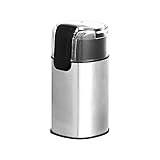
10. Amazon Basics Electric Coffee Grinder, Coffee Bean and Spice Grinder, With Heavy-Duty Stainless Steel Grind Blades
Overview: Amazon Basics offers a no-frills blade grinder focused on speed and simplicity for basic coffee or spice grinding.
What Makes It Stand Out: Heavy-duty stainless steel blades grind 1oz beans in 10 seconds for drip coffee, with a transparent safety lid for monitoring. Its rugged build handles spices, nuts, and grains, emphasizing utility over precision.
Value for Money: The most affordable option here, delivering reliable performance for infrequent users. It’s a functional entry point, but lack of grind settings or espresso compatibility limits versatility compared to burr alternatives.
Strengths and Weaknesses:
Pros: Fast operation, durable blades, budget-friendly, multipurpose.
Cons: Inconsistent grind texture; unsuitable for espresso/French press; loud operation; no adjustable settings.
Bottom Line: A bare-bones solution for drip coffee or occasional spice grinding. Only recommend for beginners with tight budgets—skip if you value flavor nuance or espresso.
Why Grind Quality Makes or Breaks Your Espresso
The Science of Particle Size Distribution
Espresso extraction relies on water interacting uniformly with coffee particles. Inconsistent grinds create “bimodal distribution”—a mix of fines (tiny particles) and boulders (larger chunks). Fines over-extract, adding harsh bitterness, while boulders under-extract, contributing sourness. Premium grinders minimize this by producing a tight, uniform particle spread, ensuring even water flow and balanced flavor. This precision is non-negotiable for the high-pressure, short-duration espresso process.
Heat Generation and Freshness Preservation
Friction during grinding creates heat, which prematurely ages coffee by accelerating staling compounds. Blade grinders and low-end burr models can spike bean temperatures by 20°F+ in seconds, muting delicate floral or fruity notes. High-end grinders combat this with slower RPMs, optimized burr geometry, and heat-dissipating materials like stainless steel or specialized ceramics. Keeping beans cool preserves volatile aromatics, giving your espresso that vibrant, “just-roasted” character.
Minimizing Retention and Waste
Every gram of coffee left clinging to grinder components after dosing is wasted flavor—and frustration when dialing in. Budget grinders often trap 5-10 grams in crevices between burrs, chutes, or static-charged grounds. Premium designs feature anti-static technology (like timed vibration or ionized coatings), tapered burr carriers, and direct-dose systems that slash retention to under 0.5 grams. This precision matters when pulling single doses or tweaking recipes.
Demystifying Grinder Types for Espresso Excellence
Conical vs. Flat Burrs: The Core Debate
Conical burrs (tapered, cone-shaped) operate at lower RPMs, generating less heat and noise, ideal for preserving nuanced bean characteristics. They’re forgiving on slightly stale beans but can struggle with ultra-fine espresso settings due to potential “clumping.” Flat burrs (parallel discs) offer superior consistency at fine grinds—critical for espresso—with tighter particle distribution. They’re louder and run hotter but deliver the precision demanded by competitive baristas. Your choice hinges on balancing noise tolerance against extraction demands.
Blade Grinders: Why They Fall Short
Blade grinders—those whirling propellers—produce wildly inconsistent particles through chaotic chopping. They generate excessive heat, destroy aromatic compounds, and create static that scatters grounds everywhere. While tempting for budget-conscious beginners, they cannot achieve the uniformity required for espresso. The result? Unpredictable shots with muddy flavors, regardless of bean quality or machine sophistication. Save these for drip coffee or cold brew where precision matters less.
Single-Dose vs. Hopper-Fed Systems
Hopper-fed grinders (with bean containers) offer convenience for high-volume use but sacrifice freshness. Beans exposed to air in the hopper stale faster, and residual oils can clog mechanisms. Single-dose grinders require manually loading beans per shot, ensuring peak freshness and reducing cross-contamination between beans. For espresso enthusiasts chasing nuanced flavors, single-dose is increasingly the gold standard, especially with modern low-retention designs that minimize waste.
Critical Performance Features to Evaluate
Stepless Micro-Adjustment Mechanisms
Espresso grind size needs adjustments finer than a human hair. Stepped grinders (with preset “clicks”) force you to jump between settings too coarse or fine for optimal extraction. Stepless grinders allow infinite, granular tuning—critical for dialing in subtle changes when beans season or humidity shifts. Look for smooth, tactile rotation without play, often achieved through high-precision brass or stainless-steel adjustment rings. This feature alone can turn frustrating trial-and-error into scientific refinement.
Burr Size and Material Longevity
Burr diameter directly impacts consistency and heat management. 40-50mm burrs suit home use, balancing speed and particle uniformity. Larger 60-83mm burrs (common in commercial units) grind slower with less heat but demand more space. Material-wise, hardened steel offers durability and sharpness retention for years, while ceramic burrs resist corrosion and stay cooler but may chip with hard beans. Avoid chrome-plated steel—it wears quickly, introducing metal particles into your coffee.
Dosing Precision and Workflow Integration
How the grinder delivers grounds to your portafilter impacts consistency. Timed dosing (preset grind durations) struggles with bean density variations, leading to under/over-dosing. Weight-based dosing (with integrated scales) is ideal but rare in grinders. Instead, prioritize adjustable spouts that align perfectly with portafilter baskets, reducing bounce and static. Some models feature “anti-bounce” technology like magnetic collars or slow-speed startup to prevent grounds from scattering during the critical first seconds of grinding.
Anti-Static Technology Essentials
Static electricity causes grounds to cling to grinders or fly everywhere—a major headache with fine espresso grinds. Premium grinders combat this through multi-pronged approaches: conductive materials (like copper burr carriers), ionized air channels, or timed vibration systems that shake loose particles. Avoid models relying solely on plastic components, which exacerbate static. This isn’t just about cleanliness; static-induced clumping directly harms extraction uniformity.
Build Quality That Withstands Daily Rigor
Chassis Construction and Vibration Control
A grinder’s frame absorbs motor vibrations that disrupt grind consistency. Lightweight plastic housings transmit shake, causing uneven particle distribution. Premium units use die-cast metal (zinc or aluminum) or reinforced polymers with internal dampening. Test stability by grinding in-hand—if it “walks” across the counter, vibration will compromise your shots. Solid construction also reduces noise, crucial for home environments.
Motor Power and Thermal Management
Espresso demands sustained fine grinding, which strains weak motors. Look for brushless DC motors (quieter, longer-lasting) over AC types. Critical is thermal protection: high-end grinders include thermal cutoffs that pause grinding if overheating occurs, preventing burnt flavors and motor damage during back-to-back shots. Avoid units without explicit heat management—your grinder shouldn’t smell like a hairdryer after two doses.
Cleanability and Maintenance Access
Daily cleaning is non-negotiable for flavor integrity. Premium grinders feature removable burr carriers that lift out in seconds, wide access points for brushes, and minimal nooks where oils accumulate. Avoid designs requiring screwdrivers or complex disassembly. Bonus points for grind-by-wire systems that auto-purge residual coffee during shutdown. Remember: a grinder that’s hard to clean will be neglected, leading to rancid oils and off-flavors.
Practical Daily Considerations for Home Baristas
Footprint and Kitchen Integration
Measure your space before buying. Commercial-style grinders often exceed 12" wide and require dedicated counter real estate. Compact premium models (under 8") fit beside machines but may sacrifice burr size. Consider workflow: can you comfortably place a portafilter under the chute? Does the hopper clear your espresso machine’s steam wand? Measure twice—especially if space is tight in your coffee nook.
Noise Levels for Residential Harmony
Few realize how loud grinders can be—some hit 80+ decibels (like a blender). If you pull shots early morning or share walls with neighbors, prioritize units under 70dB. Conical burrs and insulated housings help, but check decibel specs. Some grinders even offer “quiet mode” software that slows startup. Don’t assume “premium” equals quiet; test videos or in-person demos if possible.
Long-Term Value Beyond the Price Tag
Calibration and Adjustment Longevity
Cheap grinders drift out of calibration within months as springs wear or plastic gears strip. Premium models use hardened steel gears and calibrated springs that maintain settings for years. This stability means you won’t constantly re-dial your grind—critical when humidity shifts or you switch beans. Factor in how easily you can reset factory calibration; some require proprietary tools, adding hidden costs.
Spare Parts Availability and Cost
Even robust grinders need burr replacements every 500-1000kg of beans. Verify that burrs, motors, and key components are readily available and reasonably priced before buying. Niche brands may leave you stranded when parts are discontinued. Reputable manufacturers publish burr lifespan estimates and offer multi-year parts warranties—a sign of confidence in their engineering.
Resale Value and Future-Proofing
A well-maintained premium grinder retains significant value. Research secondhand markets: models with modular designs (upgradable motors or burrs) hold value better than sealed units. Consider if firmware updates are possible—some newer grinders allow grind-profile tweaks via app, extending relevance as your skills evolve. This isn’t just a purchase; it’s a decade-long coffee companion.
Frequently Asked Questions
Can I use a blade grinder for espresso if I’m on a budget?
No. Blade grinders produce inconsistent particles that make balanced espresso extraction impossible. The heat and static further degrade flavor. Invest in at least an entry-level burr grinder; it’s the foundational tool for quality espresso.
How often should I clean my espresso grinder?
Deep clean burrs and internal components weekly if used daily. Wipe external static-prone areas after every use. Oily residues build up quickly with dark roasts, leading to rancidity—don’t skip this step for fresh-tasting shots.
Are flat burrs always better than conical for espresso?
Not universally. Flat burrs excel in consistency at fine settings but run hotter and noisier. Conical burrs preserve delicate aromatics better with less heat. Many top-tier grinders now offer both types—choose based on your priority: absolute precision (flat) or nuanced flavor preservation (conical).
Why are premium grinders so expensive?
Cost reflects precision engineering: hardened steel burrs, anti-static systems, stepless adjustments, and thermal management. These features ensure micron-level consistency, longevity, and minimal heat—critical for espresso’s narrow extraction window. It’s paying for science, not just materials.
How do I know if my grinder’s retention is too high?
If you see visible coffee left in the chute or burr carrier after grinding, or if your first few shots taste stale when switching beans, retention is problematic. Premium grinders should lose under 0.5g per dose—test by weighing pre- and post-grind portafilters.
Do I need weight-based dosing for espresso?
While ideal, it’s not mandatory. Focus first on low-retention design and anti-static features. You can manually weigh doses with a separate scale initially. Weight-based integration is a convenience upgrade once core grind consistency is mastered.
Will a better grinder fix sour or bitter espresso?
Often, yes. Sourness typically indicates coarse grinds (water moving too fast), while bitterness points to fines from inconsistent grinding. A premium grinder’s uniform particles let you target the exact extraction window, resolving these issues without changing beans or machine settings.
How long do grinder burrs last before needing replacement?
Hardened steel burrs last 500-1000kg of beans; ceramics last longer but are brittle. Signs of wear include increased heat, inconsistent shots, or visible burr dulling. Factor replacement costs (typically $50-$150) into your long-term investment calculation.
Can humidity really affect my grind setting?
Absolutely. Beans absorb moisture in humid air, becoming denser and requiring finer grinds. Dry conditions make beans brittle, needing coarser settings. Premium grinders with stepless adjustment let you compensate effortlessly—stepped grinders force compromises that hurt extraction.
Is single-dosing worth the extra effort for home use?
For espresso, yes. Beans stale within hours in a hopper, muting complex flavors. Single-dosing ensures peak freshness per shot. Modern low-retention grinders minimize waste, making the ritual practical. If you pull fewer than 2 shots daily, it’s especially transformative for quality.
See Also
- 10 Must-Have Ceramic Espresso Cups for Daily Use in 2026
- How to Solve Poor-Tasting Coffee with the 10 Best Water Filter Cartridges in
- 10 Premium Travel Coffee Mugs for Professionals (Worth the Investment)
- 10 Best Pod Machine Descaling Solutions for Keurig and Similar Systems in 2026
- 10 Essential Water Filters for Coffee Machines Every Café Owner Needs in 2026