Table of Contents
Gone are the days when enjoying authentic espresso on the trail meant compromising on temperature, taste, or convenience. The travel espresso cup landscape has undergone a remarkable transformation, with 2026 marking a pivotal moment where cutting-edge materials science meets sophisticated design thinking. Whether you’re a digital nomad setting up your morning shot in a coworking space in Lisbon or a mountaineer brewing a celebratory espresso at 14,000 feet, today’s portable coffee gear bears little resemblance to the leaky, lukewarm vessels of yesterday.
This evolution isn’t just about keeping coffee hot—it’s about reimagining what a travel espresso cup can be. From self-regulating thermal systems that maintain the perfect 160°F sipping temperature for hours to collapsible designs that disappear into your pack, the innovations hitting the market represent a fundamental shift in how we approach mobile coffee culture. Understanding these advances helps you cut through marketing noise and identify the features that genuinely matter for your specific adventure style, budget, and environmental values.
Top 10 Travel Espresso Cups
Detailed Product Reviews
1. YETI Rambler 4 oz Stackable Cup, Stainless Steel, Vacuum Insulated Espresso/Coffee Cup, 2 Pack, White

Overview:
The YETI Rambler 4 oz Stackable Cup set delivers premium espresso enjoyment in a rugged, vacuum-insulated stainless steel package. These barista-friendly cups feature YETI’s innovative DuraSip Ceramic Lining fused to 18/8 steel, maintaining your coffee’s ideal temperature while resisting the dents and dings of daily adventures. Sold as a two-pack in clean white, they’re designed to nest neatly for compact storage.
What Makes It Stand Out:
The DuraSip Ceramic Lining is the star feature, offering the pure taste of ceramic with YETI’s legendary durability. These cups fit under most espresso machine portafilters and stack securely, making them perfect for cramped camp kitchens or home coffee bars. The vacuum insulation keeps shots piping hot far longer than traditional ceramic, while the dishwasher-safe design ensures effortless cleanup.
Value for Money:
At a premium price point, these cups represent a long-term investment rather than a budget buy. While significantly more expensive than basic espresso cups, they outlast and outperform ceramic alternatives that chip and crack. For daily espresso drinkers who demand durability, the cost-per-use over years makes them economically sensible compared to replacing broken ceramics.
Strengths and Weaknesses:
Strengths: Superior temperature retention; extremely durable construction; true barista-friendly sizing; space-saving stackable design; ceramic lining preserves pure coffee flavor; dishwasher safe
Weaknesses: Premium pricing may deter casual users; 4 oz capacity limits versatility; white finish shows fingerprints; ceramic lining could potentially chip with severe impact
Bottom Line:
These YETI cups are an exceptional choice for serious coffee enthusiasts who prioritize durability and thermal performance. The investment pays off for daily users who want espresso-bar quality at home or in the wild.
2. YETI Rambler 4 oz Stackable Cup, Stainless Steel, Vacuum Insulated Espresso/Coffee Cup, 2 Pack, Navy

Overview:
The YETI Rambler 4 oz Stackable Cup set in Navy offers identical performance to its white counterpart, delivering YETI’s signature durability in a deep, sophisticated hue. These vacuum-insulated stainless steel cups feature the same DuraSip Ceramic Lining technology, combining the taste benefits of ceramic with rugged metal construction. The two-pack nests efficiently for space-conscious storage in any kitchen or camp setup.
What Makes It Stand Out:
Beyond the trusted YETI performance, the navy colorway provides a stylish alternative that hides coffee stains and fingerprints better than lighter finishes. The DuraSip lining ensures pure espresso flavor without metallic taste, while the stackable design and espresso machine compatibility make them genuinely barista-friendly. These cups transition seamlessly from home coffee bars to outdoor adventures.
Value for Money:
Sharing the same premium price as other YETI Rambler cups, the navy set demands upfront investment but delivers lasting value. The durable construction eliminates replacement costs associated with fragile ceramic demitasse cups. For espresso aficionados who use these daily, the per-use cost becomes negligible over their extended lifespan.
Strengths and Weaknesses:
Strengths: Excellent heat retention; robust build quality; attractive navy finish resists visible wear; true espresso machine compatibility; space-saving stackability; dishwasher safe
Weaknesses: High initial cost; 4 oz size may feel limiting; navy color shows water spots; heavier than traditional cups; ceramic lining vulnerable to extreme abuse
Bottom Line:
Choose the navy YETI Rambler cups if you want premium espresso durability with a darker, more practical aesthetic. They’re ideal for daily users who appreciate YETI engineering and prefer a finish that masks everyday wear.
3. RECAPS 80ml Stainless Steel Espresso Cups Set - 2 Pack Double Wall 304 Stainless Steel Demitasse Cups 2.7oz (Small Cup)

Overview:
The RECAPS 80ml Stainless Steel Espresso Cups provide a budget-conscious alternative to premium brands, offering double-wall insulation in a compact 2.7 oz design. Constructed from food-grade 304 stainless steel, this two-pack handles espresso, spirits, or small servings of hot beverages without the fragility of glass. The double-wall design protects fingers from heat while maintaining drink temperature.
What Makes It Stand Out:
These cups punch above their weight class with genuine double-wall construction that prevents scalding and provides moderate insulation. Unlike single-wall metal cups, they remain comfortable to hold even with freshly pulled espresso. Their versatility extends beyond coffee to spirits and cocktails, making them useful for home bars. The 80ml capacity suits traditional espresso purists perfectly.
Value for Money:
Representing exceptional affordability, these cups cost a fraction of YETI alternatives while delivering core functionality. The durable 304 stainless steel construction ensures longevity, and the dishwasher-safe design adds convenience. For occasional espresso drinkers or those wanting multiple sets, the price point allows bulk purchasing without financial strain.
Strengths and Weaknesses:
Strengths: Highly affordable; effective double-wall insulation; unbreakable 304 steel; comfortable handling; dishwasher safe; versatile for coffee and spirits; compact storage
Weaknesses: Smaller 2.7 oz capacity limits versatility; no ceramic lining may affect taste purists; less premium feel; insulation inferior to vacuum-sealed models; basic aesthetic
Bottom Line:
The RECAPS set is a smart purchase for espresso lovers seeking functional durability on a budget. They deliver essential performance without premium frills, making them perfect for daily use, travel, or as backup cups for entertaining.
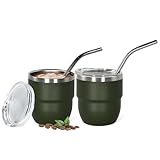
4. CHLJAR 4oz Stackable Cup, Vacuum Insulated Espresso Cup Set of 2, Espresso Shot Glass for Coffee, Double Wall Stainless Steel Mini Tumbler Shot Glasses with Straw and Lid
Overview:
The CHLJAR 4oz Stackable Cup set bridges the gap between premium and budget options, offering vacuum-insulated stainless steel construction with valuable accessories. This two-pack includes leakproof lids and stainless steel straws, expanding functionality beyond traditional espresso cups. The double-wall 18/8 steel design maintains temperatures while resisting dents and corrosion.
What Makes It Stand Out:
The inclusion of secure lids and straws transforms these from simple cups into portable mini-tumblers, perfect for on-the-go espresso drinks or small smoothies. The vacuum insulation surpasses standard double-wall performance, while the stackable design saves cabinet space. These cups work with most espresso machines and double as versatile drinkware for various beverages beyond coffee.
Value for Money:
Positioned in the mid-range price bracket, this set delivers strong value by including accessories that competitors sell separately. The vacuum insulation and durable construction match higher-priced brands, while the lid-straw combo adds portability. For users wanting versatility without YETI-level investment, these offer compelling features per dollar.
Strengths and Weaknesses:
Strengths: Includes lids and straws; excellent vacuum insulation; leakproof design; true 4 oz espresso capacity; stackable storage; dishwasher safe; multi-beverage versatility
Weaknesses: Stainless steel interior may impart slight taste; brand recognition lower than YETI; lid cleaning requires extra attention; straws unnecessary for pure espresso purists
Bottom Line:
The CHLJAR set excels for users prioritizing portability and versatility. If you want espresso cups that double as travel tumblers for various drinks, this accessory-rich package offers outstanding functionality at a reasonable price point.
5. TashiBox Thick Espresso Cups Travel to Go, 200 Count (Pack of 1), White

Overview:
The TashiBox Thick Espresso Cups provide disposable convenience in a 200-count bulk package, offering single-use 4 oz paper cups for coffee service. Made from food-grade paper that withstands temperatures up to 194°F, these cups serve espresso, samples, or portion-controlled servings without cleanup concerns. The compact design suits catering, offices, or large gatherings.
What Makes It Stand Out:
The massive quantity at an ultra-low per-cup cost makes these ideal for high-volume scenarios where washing dishes isn’t practical. The thick paper construction prevents leaks better than flimsy alternatives, while the 4 oz size perfectly accommodates espresso shots with room for crema. Their disposability ensures hygiene in shared spaces.
Value for Money:
With an extremely low cost per unit, these cups deliver unbeatable value for events, businesses, or households prioritizing convenience over sustainability. The 200-count supply lasts through months of occasional use, eliminating water and labor costs associated with washing. However, the environmental impact and lack of insulation must be weighed against the economic savings.
Strengths and Weaknesses:
Strengths: Incredibly cheap per cup; zero cleanup required; hygienic single-use design; adequate heat resistance; compact storage; perfect for large events
Weaknesses: Not insulated; environmentally wasteful; flimsy feel; no lid options; limited to 194°F; lacks premium aesthetic; contributes to landfill waste
Bottom Line:
Purchase TashiBox cups for specific high-volume, low-maintenance needs like parties, catering, or office coffee service. They’re unsuitable for daily personal use but indispensable when convenience and cost-effectiveness outweigh environmental considerations.
6. CHLJAR 4oz Stackable Cup, Vacuum Insulated Espresso Cup Set of 2, Espresso Shot Glass for Coffee, Double Wall Stainless Steel Mini Tumbler Shot Glasses with Straw and Lid
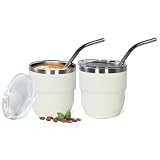
Overview: The CHLJAR 4oz Stackable Cup set delivers two vacuum-insulated stainless steel espresso cups designed for coffee enthusiasts who value portability and durability. These mini tumblers transition seamlessly from home espresso machines to travel companions, accommodating everything from morning shots to evening liqueurs with equal finesse.
What Makes It Stand Out: The leakproof lid and included stainless steel straw set this apart from standard espresso cups, making it genuinely travel-ready. The double-wall vacuum insulation maintains temperature while remaining cool to touch, and the stackable design saves precious cabinet space. Unlike fragile ceramic, these cups withstand drops and daily abuse without chipping or cracking.
Value for Money: At this price point for a two-pack, you’re getting barista-grade durability that outlasts ceramic alternatives by years. The added lids and straws increase versatility, essentially providing mini travel tumblers rather than simple shot glasses. Comparable stainless steel cups cost significantly more without leakproof features, making this an excellent investment.
Strengths and Weaknesses: Pros: Extremely durable 18/8 stainless steel construction; genuine leakproof design with straw; excellent temperature retention; space-saving stackability; dishwasher safe; fits most espresso machines. Cons: 4oz capacity limits drink options; straws may be impractical for very hot beverages; minimalist aesthetic may not suit traditionalists who prefer classic ceramic.
Bottom Line: Perfect for espresso lovers who want unbreakable, portable cups that perform beyond the kitchen. Ideal for travel, office use, and households with children where durability is paramount.
7. Zenbo 8 oz Stackable Espresso/Coffee Cups with Magnetic Lid, Ceramic-Lined 18/8 Stainless Steel Mini Tumblers, Double-Wall Vacuum Insulated & Dishwasher Safe for Travel & Office (Sage Green-2 Pack)

Overview: Zenbo’s 8oz cups target coffee purists with their ceramic-lined interior that preserves authentic flavor without metallic notes. The sage green two-pack combines aesthetic appeal with functional design for home, office, or travel use, accommodating espresso, cortado, or even wine.
What Makes It Stand Out: The ceramic lining fused to stainless steel is the star feature, ensuring pure taste while maintaining exceptional durability. The magnetic lid offers smooth one-handed operation and splash protection, while condensation-free construction keeps hands and surfaces dry. Stackability adds convenience for compact storage in crowded cabinets or RVs.
Value for Money: These sit in the mid-to-premium range, justified by the ceramic lining technology that rivals high-end competitors costing significantly more. You’re paying for flavor integrity typically found in pure ceramic, but with stainless steel’s resilience and superior insulation benefits—a worthwhile trade-off for enthusiasts.
Strengths and Weaknesses: Pros: Ceramic lining prevents metallic aftertaste completely; excellent temperature retention for hours; magnetic lid for easy access; stackable design; dishwasher safe; condensation-free exterior. Cons: Lid is not fully leakproof for active travel; 8oz may be small for standard coffee servings; limited color options; premium price may deter casual users.
Bottom Line: An excellent choice for flavor-conscious coffee drinkers who want the best of both worlds—ceramic purity and steel durability. Best for stationary use at home or office rather than active commuting.
8. Puraville Insulated Tumblers with Lid, 10 oz Travel Coffee Mug Stainless Steel Vacuum Cup, Leak Proof Reusable Double Walled Coffee Tumbler for Iced and Hot Drinks, Cream

Overview: The Puraville 10oz tumbler offers a sleek, minimalist design for hot and cold beverages on the move. With its innovative flip lid and fingerprint-resistant matte finish, it targets users seeking leak-proof performance and modern style in a compact, car-friendly form factor that suits daily commutes.
What Makes It Stand Out: The leak-proof flip lid with silicone seal provides superior spill protection compared to slide-opening designs, twisting securely onto the cup. The anti-slip matte finish resists fingerprints while ensuring a secure grip even during rushed mornings. The slim profile fits most car cup holders and bags easily, making it genuinely portable without bulk.
Value for Money: Competitively priced for a vacuum-insulated tumbler with true leak-proof capability. However, the hand-wash requirement adds maintenance time that comparable dishwasher-safe options eliminate. Performance justifies cost, but convenience suffers compared to premium brands offering easier care.
Strengths and Weaknesses: Pros: Excellent leak-proof flip lid; effective temperature retention (6-8 hours cold, 5-6 hours hot); attractive matte finish; slim, portable design; good grip security; multiple size options. Cons: NOT dishwasher safe—hand wash only; special coating requires careful maintenance; limited capacity for heavy coffee drinkers; fewer premium features than competitors.
Bottom Line: A solid travel mug for those prioritizing leak-proof security and aesthetics over convenience. Avoid if dishwasher compatibility is essential for your routine, but consider if spill prevention is your top priority.
9. YETI Rambler 6 oz Stackable Mug, Stainless Steel, Vacuum Insulated Espresso/Coffee Mug, 2 Pack, Black

Overview: YETI’s 6oz stackable mugs bring the brand’s legendary durability to espresso drinking. The handled design accommodates americanos and cortados while maintaining stackability for space efficiency in kitchens or campsites, offering a rare combination of form and function.
What Makes It Stand Out: DuraSip Ceramic Lining fuses ceramic to stainless steel, delivering pure taste with YETI’s trademark toughness and temperature retention. The integrated handle doesn’t compromise stackability—a clever engineering feat unmatched by competitors. Dishwasher safe construction and rugged design make it virtually indestructible for outdoor adventures.
Value for Money: Premium YETI pricing reflects brand reputation and exceptional build quality backed by a solid warranty. While cheaper alternatives exist, none match YETI’s proven longevity and customer support. The ceramic lining adds significant value for flavor purists seeking ultimate durability.
Strengths and Weaknesses: Pros: DuraSip Ceramic Lining preserves flavor completely; legendary YETI durability; stackable despite handle; dishwasher safe; fits most espresso machines; excellent temperature retention for hours. Cons: Premium price point; 6oz capacity limits versatility for larger drinks; handle may feel small for large hands; heavier than handle-less options.
Bottom Line: Ideal for YETI loyalists and outdoor enthusiasts who demand unbreakable gear. Worth the investment if durability and flavor purity are non-negotiable priorities for your daily ritual.
10. Cafezi 4 oz Espresso/Coffee Cup, Ceramic-Lined 18/8 Stainless Steel, Double-Wall Vacuum Insulated, Stackable, Dishwasher Safe, Fits Most Espresso Machines (Black, 2 Pack)

Overview: Cafezi’s 4oz cups offer ceramic-lined stainless steel construction for espresso purists seeking flavor integrity in a compact form. The minimalist black two-pack focuses on core functionality without unnecessary frills, targeting home baristas who value taste above all else.
What Makes It Stand Out: The ceramic lining ensures zero metallic interference with coffee’s nuanced flavors while providing steel’s superior durability and insulation. Stackability and espresso machine compatibility make these practical for daily home use without cluttering counters. Dishwasher safe convenience simplifies cleanup after busy morning routines.
Value for Money: Mid-range pricing delivers premium ceramic-lined technology typically found in higher-priced competitors. The two-pack offers excellent value for couples or households wanting matching cups without paying for lids or accessories they may not need, focusing resources on what matters most—flavor preservation.
Strengths and Weaknesses: Pros: Ceramic lining preserves pure taste completely; effective double-wall insulation; stackable design saves space; dishwasher safe; fits most espresso machines; durable 18/8 steel construction. Cons: No lids included for travel; 4oz capacity very limiting for milk-based drinks; basic aesthetic lacks style options; not ideal for commuting; no handle option available.
Bottom Line: Perfect for home espresso enthusiasts prioritizing flavor purity and easy maintenance. Skip if you need travel-friendly features or larger capacity for cappuccinos and lattes, but embrace if pure espresso taste is your obsession.
The Materials Revolution in Portable Coffee Gear
Titanium Alloys and Ultralight Construction
The integration of aerospace-grade titanium alloys has fundamentally changed what’s possible for weight-conscious travelers. These materials offer exceptional strength-to-weight ratios while remaining completely inert, ensuring no metallic taste compromises your carefully pulled shot. Modern manufacturing techniques have reduced wall thickness to unprecedented levels without sacrificing structural integrity, making sub-100-gram insulated cups a reality rather than a fantasy. This advancement particularly benefits ultralight backpackers and bikepackers who previously had to choose between their coffee ritual and base weight considerations.
Biodegradable Composites for Eco-Conscious Travelers
Plant-based polymers reinforced with natural fibers represent the most significant sustainable materials breakthrough in recent years. These composites break down completely in industrial composting facilities within months rather than centuries, addressing the end-of-life concerns that plague traditional plastic travel cups. The latest formulations maintain temperature resistance up to 200°F while resisting the staining and odor retention that plagued earlier eco-friendly attempts. For travelers prioritizing environmental impact, these materials offer performance parity with conventional plastics without the ecological guilt.
Smart Materials That Adapt to Temperature
Phase-change materials integrated directly into cup walls now actively respond to your espresso’s temperature, absorbing excess heat when the coffee is too hot and releasing it back as the beverage cools. This creates an extended “perfect drinking window” that can last up to four hours in optimal conditions. Some advanced designs incorporate thermochromic indicators that change color to signal when your espresso has reached ideal sipping temperature, eliminating the guesswork and burnt tongue experiences that have long plagued travel coffee enthusiasts.
Durability Testing Standards for 2026
The industry has coalesced around rigorous new testing protocols that simulate real-world abuse. Look for certifications indicating resistance to over 500 dishwasher cycles, drop tests from 2 meters onto concrete, and thermal shock resistance from -20°F to 200°F. These standards ensure your investment survives not just the occasional bump, but years of active travel including airport baggage handling, rocky trail spills, and the general chaos of life on the move. Reputable manufacturers now publish detailed durability metrics rather than vague “built tough” claims.
Thermal Innovation Keeping Coffee Perfect
Vacuum Insulation Breakthroughs
Third-generation vacuum insulation technology has achieved thermal performance previously thought impossible in compact form factors. By incorporating getter materials that continuously absorb residual gases within the vacuum chamber, these cups maintain their insulating properties for decades rather than years. The vacuum gap has been optimized to mere millimeters through advanced spacer designs, creating slimmer profiles that fit better in cup holders and pack pockets while actually improving heat retention compared to bulkier predecessors.
Phase-Change Materials for Temperature Stability
Beyond smart materials, dedicated PCM chambers now serve as thermal batteries for your espresso. These wax-based compounds melt at precisely 160°F, absorbing enormous amounts of energy during the phase transition. This effectively “clamps” your coffee temperature at the perfect drinking zone for up to three hours, regardless of external conditions. The technology proves particularly valuable in extreme environments where ambient temperatures might otherwise rapidly heat or cool your beverage.
Self-Heating Technology Integration
Micro-thin heating elements powered by integrated batteries can now maintain your espresso temperature actively for up to six hours on a single charge. These systems use sophisticated sensors to detect when your coffee drops below your preferred temperature and apply gentle, even heat to restore it without creating hot spots or altering flavor profiles. The latest generation features wireless charging pads built into the cup’s base, allowing you to recharge simply by setting it on a charging mat between uses.
Lid Engineering for Heat Retention
The humble lid has become a marvel of fluid dynamics and thermal engineering. Multi-stage sealing systems create redundant barriers against heat loss while allowing controlled aroma release that enhances the drinking experience. Some designs incorporate one-way valves that prevent steam escape during transport but open automatically when you sip, maintaining pressure equilibrium and temperature. Magnetic closure mechanisms have replaced traditional sliding tabs, creating more reliable seals that won’t wear out or leak after months of daily use.
Design Philosophy: Form Meets Function
Collapsible and Space-Saving Architectures
Origami-inspired designs now allow full-size espresso cups to collapse to less than 2 centimeters thick when empty. These structures use food-grade silicone reinforced with embedded stainless steel rings that maintain rigidity when expanded but allow complete flattening for storage. The engineering challenge of creating leak-proof seams in flexible materials has been solved through ultrasonic welding techniques that bond materials at the molecular level, ensuring your cup remains watertight through thousands of compression cycles.
Ergonomic Grips for On-the-Go Use
Anatomical research into hand positions during active use has informed grip designs that reduce spillage by up to 60%. Textured surfaces inspired by gecko foot morphology provide secure hold even with wet or gloved hands, while variable diameter shapes accommodate different grip styles from pinch holds to full-hand wraps. Some designs incorporate tactile indicators that help you orient the cup correctly without looking, crucial for early morning starts or low-light conditions at camp.
Leak-Proof Engineering Advances
The quest for true leak-proof performance has led to revolutionary sealing mechanisms that engage automatically when the cup is upright and release only during active sipping. Dual-density silicone gaskets compress with precise pressure profiles that adapt to temperature changes, preventing the slow leaks that plagued earlier designs. Pressure-equalization chambers prevent the vacuum lock that could cause sudden, catastrophic spills when opening a hot, sealed cup—a common frustration that newer engineering has effectively eliminated.
Aesthetic Trends in 2026
Minimalist Scandinavian influences have merged with rugged outdoor aesthetics to create cups that look equally at home in a boutique café or on a mountain summit. Matte finishes in earth tones dominate premium offerings, while modular color systems allow travelers to customize their cup’s appearance with interchangeable sleeves and lids. Some manufacturers now offer laser-etching services that create permanent, personalized designs without compromising material integrity or thermal performance.
Sustainability and Environmental Impact
Circular Design Principles
Forward-thinking manufacturers now design cups for complete disassembly, with each material type easily separable at end-of-life for appropriate recycling streams. Modular construction allows replacement of individual components like seals or lids rather than discarding the entire cup when one part fails. This approach extends product lifespan dramatically while reducing waste, aligning with growing consumer demand for products that respect planetary boundaries.
Carbon-Neutral Manufacturing Processes
Leading brands have achieved carbon neutrality through renewable energy adoption, material optimization, and verified offset programs. Some have gone further by implementing carbon-negative practices, sequestering more CO2 than they emit through innovative material choices like biochar-infused composites. Transparency has become standard, with QR codes on packaging linking to detailed lifecycle assessments that allow you to verify environmental claims independently.
End-of-Life Recycling Programs
Take-back initiatives now provide prepaid shipping labels for returning worn-out cups, ensuring proper material recovery. These programs often offer credit toward new purchases, creating economic incentives for responsible disposal. Advanced recycling partnerships can now separate and process the complex multi-material constructions common in high-performance cups, recovering over 95% of materials for reuse in new products.
Material Sourcing Transparency
Blockchain-based tracking systems allow you to trace your cup’s materials from raw extraction through manufacturing. This level of transparency reveals not just environmental impact but also labor conditions and community effects at mining and processing sites. Ethical sourcing certifications have become as important as performance specs for many travelers who want their gear investments to align with their values.
Smart Features and Digital Integration
Temperature Monitoring Capabilities
Embedded sensors now provide real-time temperature data accurate to within 1°F, displayed on the cup itself through low-power e-ink screens or transmitted to your smartphone. This allows precise tracking of thermal performance and helps you optimize pre-heating routines. Some systems learn your preferences over time, sending notifications when your coffee reaches your ideal drinking temperature or when it’s about to cool below your threshold.
Connectivity with Mobile Devices
Bluetooth integration enables firmware updates that improve performance over time, a novel concept for physical products. Companion apps now track your coffee consumption patterns, integrate with travel itineraries to suggest optimal brewing times, and even connect with local café databases to recommend spots at your destination. This digital ecosystem transforms the cup from passive container to active travel companion.
Health Tracking Integration
For those monitoring caffeine intake, smart cups can now automatically log each espresso shot to nutrition tracking apps. Advanced models measure actual volume consumed rather than just poured, providing accurate data for medical monitoring or athletic performance optimization. Some systems even analyze drinking speed patterns, offering insights into hydration habits and suggesting optimal timing for your next caffeine dose during long travel days.
Battery Life and Power Management
Power harvesting from ambient light and thermal differentials now supplements traditional charging, extending battery life indefinitely under normal use conditions. Intelligent power management systems prioritize essential functions, shutting down non-critical features when charge drops below 20%. Some designs incorporate kinetic charging, generating power from the natural movement of carrying the cup throughout your day.
Size, Capacity, and Portability Considerations
Standard Espresso Volume Compliance
True espresso enthusiasts will appreciate cups designed to hold exactly 2-3 fluid ounces for a single shot or 4-6 ounces for a double, with internal markings for precise measurements. These designs accommodate proper crema formation and maintain the ideal coffee-to-air ratio that preserves aromatic compounds. Some models include integrated shot glasses that nest within the main cup, allowing you to pull directly into a proper vessel even when using portable espresso makers.
Nesting Designs for Multi-Cup Travel
For couples or groups, nesting systems allow multiple cups to pack into the space of one, with each cup serving as a lid for the next larger size. This Russian doll approach enables carrying espresso cups for two or three people without sacrificing significant pack space. Clever engineering ensures each cup remains fully functional when used independently, with no compromise in thermal performance or durability.
Attachment Systems for Backpacks and Bags
Integrated attachment points using magnetic or mechanical fasteners allow secure external carry without risk of loss. These systems work with standard carabiners, MOLLE webbing, or proprietary clip systems that integrate with popular pack brands. Some designs feature retractable tethers that prevent drops during high-angle climbing or scrambling while keeping your cup instantly accessible for quick caffeine fixes.
Weight-to-Performance Ratios
The most advanced cups now achieve thermal performance previously requiring triple the weight. Understanding the weight-to-performance ratio helps you evaluate whether that extra 50 grams translates to meaningful improvements in heat retention or durability. Premium ultralight options under 80 grams now compete with traditional heavyweight designs, making them viable for even the most weight-sensitive pursuits like fastpacking or alpine climbing.
Cleaning and Maintenance on the Road
Self-Cleaning Surface Technologies
Photocatalytic coatings activated by sunlight break down coffee oils and stains at the molecular level, reducing cleaning frequency by up to 80%. These nano-scale treatments maintain their effectiveness for years and prevent the rancid oil buildup that can taint espresso flavor. The technology proves particularly valuable on extended trips where thorough cleaning opportunities are limited, ensuring each shot tastes as intended regardless of when you last had access to soap and hot water.
Dishwasher-Safe Components
While convenient at home, true travel-ready dishwasher-safe designs withstand not just machine cleaning but also the rigors of being washed in streams or hotel sinks with varying water quality. Premium silicone gaskets resist degradation from both high-temperature dishwashers and harsh wilderness soaps. Stainless steel components use specific alloys that prevent the corrosion that can occur when cups are repeatedly washed in mineral-heavy or chlorinated water sources.
Field Cleaning Best Practices
Understanding proper maintenance without running water prevents bacterial growth and flavor contamination. The latest guidance recommends specific cleaning tablets that dissolve in minimal water, mechanical brush designs that work with just a few ounces of liquid, and drying techniques that prevent mold in humid environments. Some travelers carry dedicated microfiber cloths that incorporate antimicrobial silver fibers, providing a cleaning solution that remains effective through weeks of continuous use.
Long-Term Care for Premium Materials
Titanium and high-grade stainless steel develop character with use, but require specific care to prevent damage. Avoiding abrasive cleaners, understanding how to remove mineral buildup from hard water sources, and proper storage techniques extend lifespan dramatically. For cups with electronic components, desiccant storage prevents moisture damage during long periods of disuse, while firmware updates ensure optimal performance throughout the product’s lifecycle.
Price Points and Value Proposition
Understanding the 2026 Market Tiers
The market now clearly segments into three categories: utility-grade options under $25 offering basic performance, premium models from $50-100 featuring advanced materials and thermal performance, and luxury smart cups exceeding $150 with integrated electronics. Each tier serves legitimate needs, with the mid-range often providing the best value for serious travelers. Understanding what features justify price jumps helps avoid paying for capabilities you’ll never use.
Warranty and Durability Guarantees
Progressive manufacturers now offer lifetime warranties covering not just manufacturing defects but also performance degradation over time. Some provide “no questions asked” replacement policies that reflect confidence in their products’ durability. Reading warranty fine print reveals important distinctions—does coverage include electronic components? How does the company define “normal wear and tear”? The best warranties align with realistic travel abuse patterns rather than domestic use scenarios.
Cost-Per-Use Calculations
A $100 cup used daily for five years costs less than six cents per use—far less than disposable cup fees or café purchases. Factoring in durability, thermal performance that prevents wasted coffee, and multi-function designs that replace several pieces of gear provides a more accurate value assessment. The math becomes particularly compelling for frequent travelers who might otherwise purchase multiple cups for different activities.
Investment vs. Disposable Mentality
The shift toward repairable, premium designs represents a cultural move away from treating travel gear as disposable. While initial costs are higher, the total cost of ownership over five years often favors quality purchases. This mindset shift aligns with broader sustainability goals and typically results in better-performing gear that enhances rather than detracts from travel experiences.
Safety and Health Standards
BPA-Free and Food-Grade Certifications
All reputable cups now exceed basic BPA-free claims, addressing entire classes of endocrine-disrupting chemicals including BPS, BPF, and phthalates. Look for comprehensive certifications like FDA food-grade compliance, EU Regulation 10/2011, and German LFGB standards, which represent the most stringent testing protocols. Some manufacturers now publish their full material composition data sheets, allowing informed decisions for those with specific chemical sensitivities.
Thermal Safety Features
Exterior surfaces remain cool-touch even when containing scalding espresso thanks to advanced vacuum insulation and heat-spreading layers. Lid designs prevent pressure buildup that could cause sudden hot liquid release, addressing a genuine safety concern with earlier sealed containers. Some models include locking mechanisms that prevent accidental opening in packs, protecting both you and your gear from burns and stains.
Allergen-Free Material Options
For travelers with metal allergies or sensitivities, new ceramic-coated interiors provide inert surfaces that never contact underlying metals. These coatings, applied through plasma-enhanced deposition, bond molecularly to substrates and resist chipping even under heavy use. Silicone components now use medical-grade formulations free from common allergens, while alternative materials like pure borosilicate glass offer options for those requiring complete material purity.
International Compliance Markings
Global travelers should verify cups carry appropriate markings for their destinations: CE for Europe, CCC for China, and PSE for Japan indicate compliance with local safety regulations. These certifications ensure not just material safety but also structural integrity under varying pressure conditions encountered during air travel. Understanding these markings prevents customs issues and ensures your gear meets local standards for public use.
Frequently Asked Questions
How long should a premium travel espresso cup keep my coffee hot in real-world conditions? Quality vacuum-insulated designs maintain optimal drinking temperature (above 140°F) for 3-4 hours in moderate conditions, with premium models extending this to 6-8 hours. Real-world performance varies significantly based on pre-heating, lid usage, and ambient temperature. For best results, fill your cup with hot water for 30 seconds before adding espresso, and keep the lid sealed between sips.
Are smart cups with electronic features worth the extra cost and weight? For tech-savvy travelers who value precise temperature control and usage tracking, smart features justify their 40-60 gram weight penalty and $50-100 price premium. However, traditional designs offer superior reliability for remote expeditions where charging isn’t guaranteed. Consider your travel style: urban digital nomads benefit most from connectivity, while wilderness travelers should prioritize simplicity and repairability.
What’s the best way to clean my travel espresso cup without access to a kitchen? Carry specialized cleaning tablets designed for coffee equipment—they dissolve in minimal water and break down oils effectively. A dedicated bottle brush with a telescoping handle reaches all surfaces, and a quick rinse with boiling water sanitizes adequately in most situations. For extended trips, the new photocatalytic self-cleaning coatings reduce maintenance needs by 80%, making them ideal for backcountry use.
Can I use my travel espresso cup for both hot espresso and cold drinks without flavor transfer? Yes, premium materials like titanium and properly coated stainless steel are flavor-neutral when cleaned thoroughly. However, silicone seals can absorb oils over time, potentially transferring subtle flavors. For true neutrality, consider cups with replaceable seals or those using liquid silicone rubber, which resists absorption better than traditional silicone. Always clean promptly after use to prevent oil buildup.
How do I know if a cup’s “eco-friendly” claims are legitimate? Look for specific, verifiable certifications: B Corp status, Climate Neutral certification, and published lifecycle assessments with third-party verification. Legitimate brands provide QR codes linking to detailed environmental impact data, not vague marketing language. Be wary of “greenwashing” terms like “natural” or “eco” without supporting documentation. True sustainability includes end-of-life programs and material transparency.
Will my travel espresso cup survive airport security and changes in cabin pressure? Modern designs equalize pressure automatically through one-way valves, preventing leaks during flights. However, always ensure the lid vent is clear and consider packing the cup empty in your carry-on. TSA generally allows empty cups through security, but filled containers face restrictions. Some frequent flyers prefer cups with locking mechanisms that engage automatically at altitude, providing extra security against pressure-related leaks.
What’s the difference between espresso cups and regular travel mugs? Espresso-specific designs accommodate proper crema formation with narrower openings and optimal volume (2-3 oz for singles, 4-6 oz for doubles). Regular travel mugs are typically too large, causing rapid cooling and flavor degradation. Espresso cups also feature thinner lips that enhance the drinking experience, mimicking ceramic café cups. If you’re serious about espresso quality while traveling, dedicated designs outperform multi-purpose mugs significantly.
How do collapsible cups compare to rigid designs for heat retention? The performance gap has narrowed dramatically—premium collapsible designs now retain heat nearly as well as rigid cups through advanced insulation geometries and multi-layer construction. However, rigid cups still edge ahead for maximum thermal performance and durability. For most travelers, the space savings of collapsible designs outweigh the 15-20% reduction in heat retention, especially for shorter trips where coffee is consumed within 1-2 hours.
Can I put my smart espresso cup in the dishwasher? Most smart cups feature dishwasher-safe stainless steel components, but electronic elements require hand washing. Look for designs with removable battery modules and sensors that allow complete separation of electronic and structural components. Always consult the specific manufacturer’s guidelines—some models survive top-rack dishwasher cycles, while others require complete hand washing to protect sensitive electronics and maintain warranty coverage.
What should I prioritize if I can only afford one premium travel espresso cup? Focus on material quality and thermal performance above all else—titanium or high-grade stainless steel with double-wall vacuum insulation provides the best long-term value. Ensure the lid seals reliably and the capacity matches your typical espresso volume. Smart features and extreme light weight are nice-to-haves, but core functionality determines daily satisfaction. A well-chosen mid-range cup often outperforms flashy high-end models in real-world durability and user experience.
See Also
- 10 Must-Have Ceramic Espresso Cups for Daily Use in 2026
- How to Solve Poor-Tasting Coffee with the 10 Best Water Filter Cartridges in
- 10 Premium Travel Coffee Mugs for Professionals (Worth the Investment)
- 10 Best Pod Machine Descaling Solutions for Keurig and Similar Systems in 2026
- 10 Essential Water Filters for Coffee Machines Every Café Owner Needs in 2026