Table of Contents
There’s something almost magical about pulling your first espresso shot by hand. The focused ritual of grinding, tamping, and levering or pumping connects you to the coffee in a way automated machines simply can’t replicate. It’s a blend of science and artistry, demanding your attention but rewarding you with an intensely personal cup. For many coffee enthusiasts, this hands-on approach isn’t just a hobby; it’s the gateway to truly understanding extraction and appreciating the nuances of their favorite beans. Yet, the common perception persists that crafting quality espresso requires a significant investment, often hundreds or even thousands of dollars. This belief can be a major barrier for curious beginners or those working with a tight kitchen budget.
The good news? The landscape for accessible manual espresso has transformed dramatically. You no longer need to drain your savings to experience the thrill of home espresso. Modern engineering and manufacturing have made it possible to find capable manual machines – be they lever-driven, piston-pump, or even advanced stovetop hybrids – that deliver impressive results without breaking the bank. While $200 won’t buy you commercial-grade durability, it absolutely opens the door to a world of rich, authentic espresso that surpasses most pod systems and basic drip brewers. This guide cuts through the noise, focusing on what truly matters when selecting a manual espresso machine in this budget-friendly bracket, empowering you to make a smart, satisfying choice based on your brewing goals and lifestyle.
Top 10 Manual Espresso Machines under $200
Detailed Product Reviews
1. CASABREWS CM5418 Espresso Machine 20 Bar, Compact Espresso Maker with Steam Milk Frother, Stainless Steel Coffee Machine with 34oz Removable Water Tank for Cappuccino, Gift for Women or Men, Silver

Overview:
The CASABREWS CM5418 is a compact 20-bar home espresso machine targeting beginners and casual users. It brews espresso, cappuccinos, and lattes with a stainless steel build, 34oz removable water tank, and essential accessories like dual filters and a tamper/spoon combo. Its small footprint suits tight kitchens or offices.
What Makes It Stand Out:
A visible pressure gauge ensures optimal 9-10 bar extraction during brewing, a rarity in this price tier. The steam wand efficiently creates microfoam for latte art, while the stainless steel housing offers durability and a premium look. The included tamper/spoon adds convenience for new users.
Value for Money:
Priced mid-range, it outperforms cheaper 15-bar models with genuine Italian pump pressure and a robust gauge. While De’Longhi offers reliability, this provides similar core features (steam wand, 20 bars) at a lower cost, making it ideal for budget-conscious beginners seeking authentic crema.
Strengths and Weaknesses:
Strengths: Reliable 20-bar pressure, excellent milk frothing, compact design, pressure gauge for tuning, easy maintenance.
Weaknesses: Requires cool-down after steaming (triggers overheat protection), small tank needs frequent refills for multiple drinks, basic plastic portafilter.
Bottom Line:
A well-balanced entry-level machine for authentic espresso and foam at home. Despite minor workflow limitations, its pressure gauge and steam power justify the price, earning strong recommendation for new coffee enthusiasts.
2. CASABREWS 3700 Essential Espresso Machine 20 Bar, Stainless Steel Cappuccino & Latte Machine with Steam Frother for Home, 43.9oz Water Tank, Coffee Gift for Women & Men, Silver

Overview:
The CASABREWS 3700 Essential upgrades its sibling model with a larger 43.9oz water tank, targeting households brewing multiple drinks. It retains the 20-bar pressure system and steam wand in a stainless steel chassis, including standard filters, portafilter, and tamper for immediate use.
What Makes It Stand Out:
The significantly larger water tank reduces refill frequency during group use, a key advantage over competitors like the CM5418. Its semi-automatic operation allows precise shot control, while the steam wand delivers consistent microfoam. The removable drip tray simplifies cleanup versus fixed designs.
Value for Money:
This model justifies a slight premium over the CM5418 with the bigger tank—ideal for families or frequent entertaining. It matches De’Longhi’s core functionality (15-bar pressure) but offers higher 20-bar extraction at comparable pricing, delivering superior value for volume-focused users.
Strengths and Weaknesses:
Strengths: Large water capacity, robust 20-bar pressure, effective steam wand, easy-clean drip tray, durable build.
Weaknesses: No pressure gauge (unlike CM5418), requires first-use “cycle” per manual, basic portafilter lacks upgrades.
Bottom Line:
An excellent choice for households needing batch brewing without sacrificing quality. The tank size and consistent performance make it a smarter pick than smaller-tank rivals for regular multi-cup use, highly recommended for families.
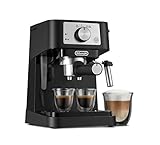
3. De’Longhi Stilosa Manual Espresso Machine, Compact Coffee Maker, 15 Bar Pump Pressure, Manual Milk Frother Steam Wand for Authentic Single & Double Espresso, Lattes & Cappuccinos, Tamper Included
Overview:
De’Longhi’s Stilosa is a no-frills, manual 15-bar espresso machine emphasizing simplicity and reliability. Its compact design includes a stainless steel boiler, steam wand, portafilter, tamper, and dual filters—everything needed for authentic espresso and milk-based drinks in minimalist setups.
What Makes It Stand Out:
The stainless steel boiler ensures longevity and stable heat retention, a step above cheaper plastic alternatives. Its purely manual steam wand gives precise foam control, appealing to purists. De’Longhi’s reputation for durability and service support adds trust for long-term use.
Value for Money:
Priced slightly higher than budget brands, it justifies cost through build quality and brand reliability. While lacking 20-bar pressure or gauges, its 15-bar system still extracts quality crema. For those prioritizing longevity over advanced features, it’s a sound investment versus flimsier competitors.
Strengths and Weaknesses:
Strengths: Durable stainless steel boiler, responsive steam wand, compact size, trusted brand support, quiet operation.
Weaknesses: Only 15 bars (less optimal extraction than 20-bar models), no pressure gauge, basic frothing requires skill, small water reservoir.
Bottom Line:
A dependable, entry-level workhorse for traditionalists valuing durability over tech. Best for users seeking a straightforward, long-lasting machine—recommended for beginners wanting reliability, though espresso aficionados may crave more precision.
4. KEENSTAR 3.5Bar Espresso Machine with Milk Frother, 800W Compact Espresso and Cappuccino Machine with Preheating Function, 4 Cup Espresso Maker for Cappuccino or Latte, Gift for Coffee Lover

Overview:
The KEENSTAR is an ultra-budget 3.5-bar machine designed for absolute beginners. Its compact size, single-knob operation, and 800W steam wand target users prioritizing simplicity over authentic espresso, brewing up to 4 cups quickly with minimal fuss.
What Makes It Stand Out:
The pause function during brewing is unique for handling interruptions, while the fast 2-minute brew time suits rushed mornings. Its petite footprint (13.1”H) and low noise make it ideal for dorms or tiny kitchens where space is critical.
Value for Money:
As the most affordable option, it delivers basic functionality but sacrifices authenticity. Genuine espresso requires 9+ bars; its 3.5 bars yields weaker coffee. However, for iced coffee or light espresso-like drinks at a fraction of competitors’ cost, it offers niche utility for casual users.
Strengths and Weaknesses:
Strengths: Extremely compact, beginner-friendly knob control, pause feature, fast preheating, budget price.
Weaknesses: Critically low 3.5-bar pressure (poor crema/extraction), frequent water refills (240ml max), steam wand clogs easily, strict grind size requirements.
Bottom Line:
Only recommended for those needing a space-saving, no-fuss coffee maker for diluted espresso-style drinks. Serious espresso lovers should avoid it—opt for higher-pressure models despite the steeper cost.
5. atatix Espresso Machine with Milk Frother, 20 Bar Pressure Espresso Maker, with 44OZ Removable Tank, Compact Stainless Steel Coffee Machine for Home, Office, Latte, Cappuccino, Gift for Women or Men

Overview:
The atatix machine merges prosumer features into an accessible 20-bar system. Highlights include NTC temperature control, manual extraction mode, and a 44oz tank, targeting enthusiasts wanting café-quality precision at home without commercial pricing.
What Makes It Stand Out:
NTC sensors lock brewing temps at 90–96°C for flavor consistency across roast profiles—a rarity under $200. The dual auto/manual modes let users customize shot times (up to 102 seconds), while the powerful steam wand creates dense microfoam ideal for latte art.
Value for Money:
Priced competitively against CASABREWS, it adds significant value via temperature precision and extraction flexibility. These features typically appear in pricier machines, making it a standout for users willing to pay modestly more for pro-level control and repeatability.
Strengths and Weaknesses:
Strengths: NTC temperature accuracy, manual extraction customization, exceptional microfoam, large 44oz tank, auto-shot timing.
Weaknesses: Steeper learning curve for manual mode, complex settings may overwhelm beginners, premium features demand careful maintenance.
Bottom Line:
The top pick for intermediate users craving barista-level control. Its tech-forward approach justifies the cost for those serious about perfecting espresso—highly recommended over basic models for dedicated home baristas.
6. Espresso Machine 20 Bar, Compact Espresso Maker, Stainless Steel Professional Expresso Coffee Machines with Steam Milk Frother & 34oz Removable Water Tank for Home & Office, Latte, Cappuccino, Silver

Overview:
This compact stainless steel espresso machine delivers 20-bar pressure for authentic espresso extraction at home or office. It includes a steam wand for milk frothing, a 34oz removable water tank, and essential accessories like dual filters and a tamper. Designed for lattes, cappuccinos, and macchiatos, it emphasizes portability and ease of use in small spaces.
What Makes It Stand Out:
The professional 20-bar pump and 1450W motor ensure rich crema and full flavor extraction, while the steam wand creates microfoam for latte art. Its sleek stainless steel/ABS hybrid build combines durability with a space-saving footprint. The detachable water tank and drip tray simplify refilling and cleaning, appealing to both beginners and seasoned users.
Value for Money:
Priced accessibly for its feature set, it outperforms budget models with genuine high-pressure extraction and robust construction. Though lacking advanced tech like PID control, it offers comparable performance to pricier brands for daily espresso and milk-based drinks, making it ideal for cost-conscious households.
Strengths and Weaknesses:
Strengths: Reliable 20-bar pressure; effective steam wand; easy maintenance; stylish, compact design; inclusive accessory kit.
Weaknesses: Requires cooling between milk frothing and brewing (triggers overheating protection); no pressure gauge; basic thermostat may cause slight temperature fluctuations.
Bottom Line:
A solid entry-level machine for espresso enthusiasts seeking authentic results without complexity. Its minor operational quirks are outweighed by consistent performance and thoughtful design, earning a strong recommendation for home or office use.
7. XIXUBX Espresso Machine, 20 BAR Pump Temperature Control, Compact Espresso Maker with Steam Milk Frother, Professional Coffee Makers for Home, Cappuccino, Latte, Gifts for Coffee Lover, Black

Overview:
This black-finished espresso machine combines 20-bar pressure with PID temperature control for precise brewing. It heats rapidly (~60 seconds), features a steam wand for microfoam, and includes standard accessories. Targeted at coffee lovers seeking café-quality results at home, it emphasizes consistency and user-friendly operation.
What Makes It Stand Out:
The PID temperature control is rare at this price, ensuring stable water temps for balanced extraction. The quick-start system (60-second heat-up, 22-second brew) and intuitive knob interface streamline the process. Dedicated tutorials and responsive customer support further enhance usability, especially for novices.
Value for Money:
Its inclusion of PID tech justifies a mid-range price, undercutting professional machines while delivering superior flavor consistency. Though pricier than basic 20-bar models, the investment pays off in reduced waste from failed shots and longer machine longevity, offering excellent long-term value.
Strengths and Weaknesses:
Strengths: PID temperature stability; fast heat-up/brew times; excellent microfoam control; comprehensive tutorials; compact and quiet.
Weaknesses: Occasional “machine not starting” issues if portafilter/tank misaligned; steam wand lacks a dedicated cup rest; basic plastic components in handle.
Bottom Line:
A standout for beginners wanting barista-level precision without complexity. The PID system elevates it above competitors, meriting a top pick for home users prioritizing flavor accuracy and reliability.
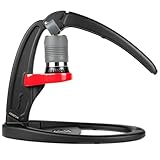
8. Flair UPDATED Espresso Maker - Classic: All manual lever espresso maker for the home - Pressure gauge and two portafilters included
Overview:
The Flair Classic is a completely manual, plug-free lever espresso maker crafted from cast aluminum and stainless steel. It requires boiled water and ground coffee, producing 40ml shots with visible pressure control. Designed for purists, it eliminates electricity while prioritizing craftsmanship and durability.
What Makes It Stand Out:
Its 100% human-powered operation and included pressure gauge offer unparalleled control over extraction—unmatched by electric machines. The dual portafilters (bottomless and flow-control) cater to both beginners and experts, while the 3-year warranty and detachable brewing head simplify maintenance and inspire confidence.
Value for Money:
Priced higher than entry-level electric models, it excels as a long-term investment due to its heirloom build and zero electricity costs. For enthusiasts valuing ritual and precision over convenience, it surpasses mid-tier machines in performance and sustainability, justifying its cost.
Strengths and Weaknesses:
Strengths: Unrivaled shot control; durable metal construction; portable and eco-friendly; easy disassembly for cleaning; superb crema.
Weaknesses: Steeper learning curve; no milk frothing capability; slower process than electric machines; requires separate kettle for water.
Bottom Line:
Essential for manual espresso aficionados seeking barista-grade results and creative control. Its craftsmanship and versatility make it a must-buy for dedicated home brewers, despite the hands-on effort required.
9. CASABREWS CM5418 Espresso Machine 20 Bar, Stainless Steel Espresso Maker with Milk Frother, Compact Cappuccino Machine for Home, Espresso Coffee Machine, Gift for Her, Gift for Family, Black

Overview:
This stainless steel 20-bar espresso machine features a built-in pressure gauge, steam wand, and 34oz water tank. Tailored for home use, it promises café-style lattes and cappuccinos with a focus on durability and user-friendly design, backed by extensive instructional resources.
What Makes It Stand Out:
The real-time pressure gauge is a rarity in this segment, allowing fine-tuning for optimal crema. Its robust stainless steel body resists wear, while the steam wand consistently produces dense microfoam. The comprehensive video guides address common pain points, reducing the learning curve significantly.
Value for Money:
Competitively priced against similar 20-bar models, the pressure gauge adds professional value typically seen in premium units. It outperforms no-gauge alternatives in shot consistency, making it a smarter buy for those serious about espresso quality without overspending.
Strengths and Weaknesses:
Strengths: Pressure gauge for customization; sturdy stainless steel build; effective steam wand; clear instructional support; compact footprint.
Weaknesses: Cooling period mandatory after frothing (like Product 6); no PID control; water tank capacity limits back-to-back brewing.
Bottom Line:
A top-tier choice for home baristas wanting precision and reliability. The pressure gauge elevates it above comparable models, earning a strong recommendation for gifting or personal use.
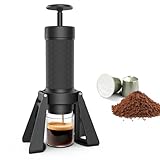
10. HOBCYCLE Manual Espresso Machine, 15 Bar Portable Coffee Maker for Ground Coffee and NS Capsules, 4-in-1 Brewing for Espresso Drip Cold Brew, Foldable for Travel Camping Office
Overview:
This portable manual espresso maker generates 15-bar pressure without electricity, supporting ground coffee, Nespresso® capsules, drip, and cold brew. Its foldable design and silicone exterior target travelers, campers, and office users seeking versatility in a compact package.
What Makes It Stand Out:
The 4-in-1 functionality (espresso, drip, cold brew, capsules) is unmatched for portability. Achieving 15-bar pressure manually ensures rich crema anywhere, while the foldable stand and leak-proof assembly make it ideal for on-the-go use. No batteries or outlets required.
Value for Money:
As a niche travel tool, it justifies its cost through multi-use flexibility. Cheaper than dedicated portable electric models, it eliminates ongoing costs (electricity/capsules beyond initial purchase), offering exceptional utility for adventurers or minimalists.
Strengths and Weaknesses:
Strengths: True portability; multi-method brewing; no power needed; compact/foldable; durable silicone grip; easy assembly.
Weaknesses: Lower max pressure (15 vs. 20-bar); inconsistent results with capsules; requires precise tamping/water temp control; no milk frothing.
Bottom Line:
An indispensable companion for coffee lovers on the move. Its versatility and rugged design make it the clear choice for travel, camping, or space-constrained offices, despite limited milk-steaming capability.
Understanding Manual Espresso Machines: Beyond the Hype
What Defines a “Manual” Espresso Machine?
Manual espresso machines require the user to physically generate the pressure needed for extraction, unlike automatic or semi-automatic models that use electric pumps. This typically involves pulling a lever (lever machines), operating a piston pump handle (piston pump machines), or utilizing steam pressure from a stovetop base. The core principle remains the same: you control the pressure profile and duration, directly influencing the shot’s flavor, body, and crema. This hands-on involvement is the defining characteristic and primary appeal.
The Allure of Hands-On Brewing
The appeal of manual machines lies in the deep engagement they foster. You become an active participant in the extraction process, feeling the resistance, hearing the change in sound as the shot develops, and making real-time adjustments. This control allows for fine-tuning that electric pumps often lack, potentially yielding more complex and balanced espresso. It’s a slower, more mindful process that transforms coffee making from a chore into a rewarding ritual, deepening your appreciation for the craft.
Setting Realistic Expectations at This Price Point
It’s crucial to be realistic. Machines under $200 prioritize affordability and core functionality over premium materials, advanced thermal stability, or extensive commercial-like durability. They may heat up slower, require more frequent descaling, and lack the rock-solid build of higher-end models. However, they can absolutely produce delicious, authentic espresso that rivals café quality when used correctly. Focus on consistent results and the joy of the process, not replicating high-volume barista performance.
Key Features to Evaluate for Budget Conscious Buyers
Build Quality and Material Matters
Durability starts with materials. Prioritize machines with significant stainless steel components, especially in the portafilter, brew group, and critical pressure-bearing parts. While some plastic is common at this price, excessive use, particularly in the portafilter or handle, often leads to brittleness and breakage over time. Brass groups, though less common under $200, offer superior heat retention compared to aluminum. Feel the weight – a heftier machine often indicates better material density.
Portafilter Design and Compatibility
The portafilter is your direct interface with the coffee. Look for a solid, well-fitting double spout portafilter (58mm is the de facto standard for compatibility with most aftermarket baskets and tampers, but confirm the size). A solid plastic or poorly machined portafilter will wobble, leak, and frustrate you. Ensure the basket locks securely. Compatibility with standard 58mm baskets (if applicable) is highly desirable for future upgrades, even if the included basket is lower quality.
Pressure Generation Mechanism Explained
Understand how the machine creates pressure. Lever machines use a spring or direct lever action; piston pumps use a hand pump. Each has a learning curve. Lever machines often provide a more gradual pressure ramp-up, potentially yielding different flavor profiles. Piston pumps require consistent pumping rhythm. Consider which mechanism feels more intuitive to you – this significantly impacts your long-term enjoyment and consistency. Avoid mechanisms that feel flimsy or offer inconsistent resistance.
Integrated Grinder: Helpful or Hindrance?
Many budget machines bundle a basic conical burr grinder. While convenient, these grinders are often the weakest link, lacking sufficient adjustment range or consistency for true espresso. If included, check reviews specifically for grind quality. Often, investing separately in even an entry-level dedicated burr grinder (if your budget allows stretching slightly) will yield vastly better results than relying on a built-in unit prone to uneven particle size.
Water Reservoir vs. Direct Fill
Consider convenience versus stability. Machines with removable water reservoirs are easier to fill and clean but can sometimes be less stable during the vigorous action of levering or pumping. Direct-fill models (where you pour water directly into the boiler) are often more stable but require more care to avoid spills and can be slightly less convenient for daily use. Assess your counter space and workflow preference.
Budget Considerations and Value Assessment
Defining Your True Budget Scope
Your $200 limit shouldn’t be the total investment. Essential accessories are non-negotiable for decent results: a quality burr grinder (even an entry-level one might push you slightly over $200 initially, but it’s worth prioritizing), a proper tamper, distribution tool, and scale. Factor in these costs when comparing machine prices. A $180 machine requiring a $70 grinder accessory kit isn’t necessarily cheaper than a $195 machine needing only a $30 tamper.
Long-Term Cost of Ownership
Think beyond the initial purchase. How easy is it to find replacement parts (seals, gaskets, baskets)? Are common failure points repairable by the user, or will a minor issue render the machine useless? Machines with simpler designs and more available generic parts often prove more economical long-term. Research common failure points for specific models (even generically) before buying. Durability impacts your cost per shot over time.
Warranty and Manufacturer Support
A solid warranty (at least 1 year) is a strong indicator of manufacturer confidence and provides peace of mind. Investigate how responsive the company is to support inquiries and whether replacement parts are readily available and reasonably priced. Poor support can turn a minor issue into a major headache or a dead machine, negating the initial low cost.
Mastering Your Manual Machine: Usage Tips
The Non-Negotiable: Fresh, Quality Coffee Beans
No machine, regardless of price, can make great espresso from stale or low-quality beans. Invest in freshly roasted (within 2-4 weeks), specialty-grade beans specifically suited for espresso. Lighter roasts can work but often require more skill; medium-dark roasts are generally more forgiving for beginners on manual machines. Pre-ground coffee is almost guaranteed to disappoint due to rapid staling and inconsistent particle size.
Dialing In Your Grind: The Critical Step
Grind size is paramount for manual espresso. You’ll need a grinder with fine enough adjustment to achieve a very fine, consistent powder (like table salt or slightly finer). The ideal grind is highly dependent on your specific machine, beans, dose, and technique. Expect to waste some coffee during the dialing-in process. A scale is essential for measuring dose (typically 18-20g) and yield (typically 36-40g), allowing precise adjustments.
Perfecting Your Tamping Technique
Consistent tamping pressure (typically 15-30 lbs) and a level, flat surface are crucial for even water flow. An uneven tamp leads to channeling, where water finds the path of least resistance, causing sour, uneven shots. Use a calibrated tamper and practice on a scale. A distribution tool (like a WDT tool) before tamping significantly improves consistency, especially with finer grinds.
Understanding and Controlling Brew Time
Brew time (from the moment water hits the puck until the last drop falls) is your primary control variable alongside grind size. For a standard double shot, aim for 25-35 seconds of actual extraction time (excluding pre-infusion if your machine has it). Too fast (<20s) usually means the grind is too coarse or dose too low; too slow (>40s) means too fine or dose too high. Adjust grind size incrementally to hit your target time.
Levering/Pumping Technique Nuances
Each machine type has a specific technique. Lever machines often require a smooth, controlled pull and release. Piston pumps need a consistent, rhythmic pumping action to maintain stable pressure (usually targeting 9 bars). Practice the motion without coffee to build muscle memory. Watch for visual cues like the flow rate and crema development. Consistency in your action is key to repeatable results.
Maintenance for Longevity and Performance
Daily Cleaning Rituals
After every use, backflush if possible (even with plain water on machines designed for it), wipe the group head and portafilter thoroughly, and purge the machine. Remove and clean the portafilter basket and shower screen immediately to prevent coffee oils from hardening. Leaving spent puck in the portafilter overnight invites rancidity and makes cleaning harder. A quick rinse isn’t enough – disassemble and scrub.
Descaling: Preventing the Silent Killer
Hard water minerals build up rapidly in boilers and heating elements, reducing efficiency, causing overheating, and eventually leading to failure. Descaling frequency depends entirely on your water hardness (more often with hard water). Use manufacturer-recommended descaling solution and follow the process meticulously. Ignoring descaling is the fastest way to kill a budget machine.
Seal and Gasket Care
The rubber gaskets (seals) in the portafilter and group head wear out and harden over time, leading to leaks and pressure loss. Budget machines often use lower-grade rubber. Keep them clean and occasionally lubricate sparingly with food-grade mineral oil (check manual). Learn how to replace them – it’s a simple, cheap, and essential maintenance task for continued performance.
Storage and Off-Period Care
Never leave water sitting in the boiler or reservoir for extended periods (days/weeks). Empty, rinse, and dry all components thoroughly if storing the machine. Before first use after storage, run several blank shots (no coffee) to flush out any stale water and reheat the group head properly. Proper storage prevents mold, mineral buildup, and stale water taint.
Frequently Asked Questions
Can I really get authentic espresso under $200?
Yes, absolutely. Authentic espresso is defined by the method (forced hot water through finely-ground, tamped coffee at ~9 bars pressure for 25-35 seconds), not the price tag. Modern budget manual machines can achieve this pressure and produce shots with proper crema, body, and flavor concentration that meet the definition, though consistency requires practice.
Is a manual machine harder to use than a semi-automatic?
Initially, yes. Manual machines demand more user skill and attention to technique (grind size, dose, tamp, pressure application). Semi-automatics handle pressure and timing automatically. However, mastering a manual machine provides deeper understanding of espresso fundamentals, which can make using any machine easier later.
Do I need a separate grinder?
Highly recommended, even essential for good results. Built-in grinders on budget machines are typically inadequate for the fine, consistent grind required for espresso. Investing in even an entry-level dedicated burr grinder (like some hand grinders or basic electric models under $50) will vastly outperform most included grinders and is the single best upgrade for quality.
How important is the portafilter size?
Crucial for compatibility and performance. 58mm is the industry standard. Machines using this size allow you to easily upgrade to higher-quality aftermarket baskets (single/double, precision, flow control) and use standard tampers. Non-standard sizes lock you into potentially lower-quality included parts and limit future options.
Will it make good milk froth for lattes?
Most dedicated manual espresso machines under $200 lack a steam wand. Some stovetop hybrid models might include a basic wand, but steam power and temperature control are usually very limited, making proper microfoam for latte art challenging. You’ll likely need a separate handheld milk frother or stovetop pitcher for milk-based drinks.
How long do these machines typically last?
Lifespan varies greatly based on build quality, usage frequency, and maintenance. With diligent daily cleaning, regular descaling, and timely seal replacement, a well-chosen budget machine can easily last 2-5 years of regular home use. Neglecting maintenance can render it unusable in months.
Are lever machines better than piston pump machines?
Neither is inherently “better”; they offer different experiences. Lever machines often provide a more gradual pressure profile and a classic feel but require precise technique. Piston pumps offer more direct pressure control but demand consistent pumping rhythm. Personal preference and which technique you find easier to master are the deciding factors.
Can I use pre-ground coffee?
Technically yes, but results will be significantly compromised. Pre-ground coffee stales rapidly, losing volatile aromatics essential for espresso flavor and crema. More critically, pre-ground is rarely ground fine enough and consistently enough for espresso extraction, leading to sour, weak, or uneven shots. Freshly grinding beans per shot is non-negotiable for quality.
Is the crema a reliable indicator of good espresso?
Crema is a visual marker but not the sole indicator of quality. While proper pressure and fresh beans should produce crema, its presence doesn’t guarantee great taste (it can be thin and bubbly on a bad shot), and its absence doesn’t always mean bad espresso (very light roasts or certain beans might produce less). Focus on balanced flavor, body, and aroma first.
What’s the biggest mistake beginners make?
Rushing the learning process and neglecting the fundamentals: using stale beans, incorrect grind size, inconsistent dose/tamp, and ignoring brew time. Patience is key. Master dialing in one variable at a time (start with grind size), use a scale for dose and yield, and taste critically. Don’t expect café-perfect shots immediately; it takes practice and attention to detail.
See Also
- 10 Essential Espresso Machine Cleaning Accessories for Quick Daily Wipe-Downs
- 10 Best Portable Espresso Machines for Outdoor Adventures in 2026
- How to Solve Weak Coffee with the 10 Best Espresso Machines with Pod Function
- 10 Essential Superautomatic Espresso Machines with Grinder Every Home Needs
- The 10 Best Espresso Machine Descalers for Consistent Performance in 2026