Table of Contents
There’s something undeniably captivating about the ritual of pour-over coffee. It strips away the automation and noise of modern brewing, placing you squarely in the driver’s seat of flavor extraction. For the true coffee enthusiast, it’s not just a method; it’s a mindful practice where water temperature, pour speed, grind size, and the vessel itself become instruments in a delicate symphony. The resulting cup often boasts a clarity and vibrancy unmatched by other methods – highlighting floral notes, bright acidity, or deep chocolatey undertones with remarkable precision. It’s coffee in its most expressive form, demanding attention but rewarding it generously.
Yet, navigating the world of pour-over brewers can feel surprisingly complex. The market offers a dizzying array of shapes, materials, and designs, each promising the “perfect” cup. How do you separate genuine craftsmanship and functional design from mere aesthetics? What subtle features actually impact your daily ritual and the quality in your mug? Understanding the why behind the design is crucial. This guide dives deep into the essential elements that define an exceptional pour-over experience, empowering you to choose a brewer that aligns with your technique, taste preferences, and lifestyle, transforming your morning routine into a consistently satisfying craft.
Top 10 Pour Over Coffee Makers for Coffee Enthusiasts
Detailed Product Reviews
1. Bodum 34oz Pour Over Coffee Maker, High-Heat Borosilicate Glass with Reusable Stainless Steel Filter and Cork Grip - Made in Portugal

Overview:
This 34oz Bodum pour-over brewer delivers artisanal coffee through a manual, eco-conscious process, featuring durable borosilicate glass and a permanent stainless steel filter designed for eight 4-oz servings.
What Makes It Stand Out:
Its high-heat borosilicate glass carafe preserves pure flavor without absorption, while the reusable stainless steel mesh filter unlocks aromatic oils lost with paper filters. The elegant cork grip provides secure handling and doubles as a stylish coaster, emphasizing sustainability by eliminating paper waste.
Value for Money:
Priced mid-to-high range, it justifies cost through longevity (dishwasher-safe carafe/filter) and superior flavor extraction. Though pricier than basic brewers, it outperforms disposable-filter alternatives and rivals entry-level espresso machines in value for coffee purists.
Strengths and Weaknesses:
Strengths: Exceptional flavor clarity, durable materials, elegant design, eco-friendly operation, easy cleanup.
Weaknesses: Cork grip isn’t dishwasher-safe, requires precise pour technique, glass fragility risks.
Bottom Line:
Ideal for sustainability-focused home baristas seeking rich, unaltered coffee; a worthy investment despite minor fragility concerns.
2. Bodum 17oz Pour Over Coffee Maker, High-Heat Borosilicate Glass with Reusable Stainless Steel Filter and Cork Grip - Made in Portugal

Overview:
A compact 17oz Bodum pour-over system crafted for single-serve or duo brewing, combining Portuguese-made borosilicate glass with an eco-friendly stainless steel filter and cork sleeve.
What Makes It Stand Out:
Its space-saving design retains Bodum’s signature flavor purity via non-porous glass and a permanent filter that preserves essential oils. The cork sleeve with suede cord adds rustic charm and heat protection, appealing to minimalist coffee lovers.
Value for Money:
Competitively priced for its size, it offers excellent value by eliminating paper filters long-term. While smaller than multi-cup models, its premium build and dishwasher-safe (except cork) components justify the cost for personal use.
Strengths and Weaknesses:
Strengths: Perfect for 1–2 servings, preserves coffee aromatics, sleek and portable, easy maintenance.
Weaknesses: Limited capacity, cork/suede not dishwasher-safe, less stable on narrow mugs.
Bottom Line:
A top pick for solo coffee enthusiasts prioritizing flavor and sustainability; skip if you routinely brew for groups.
3. Bodum 34oz Pour Over Coffee Maker, High-Heat Borosilicate Glass with Reusable Stainless Steel Filter and Black Band Grip - Made in Portugal

Overview:
This 34oz Bodum model swaps cork for a modern black band grip, targeting users who prefer a contemporary aesthetic while maintaining barista-quality pour-over brewing for eight servings.
What Makes It Stand Out:
The black silicone band offers superior heat resistance and grip over cork, with no risk of moisture damage. Paired with borosilicate glass and stainless steel filtration, it ensures robust flavor extraction without material interference.
Value for Money:
Slightly more affordable than the cork version, it delivers identical performance at a better price point. The durable band withstands daily use better than cork, enhancing long-term value for frequent brewers.
Strengths and Weaknesses:
Strengths: Modern, durable grip, consistent rich flavor, dishwasher-safe (band included), eco-friendly.
Weaknesses: Less premium look than cork, glass still prone to breakage, no capacity innovation.
Bottom Line:
The practical choice for Bodum fans wanting reliability and style; opt for this over cork if durability is a priority.
4. COSORI Pour Over Coffee Maker with Double Layer Stainless Steel Filter, 8-Cup, 34oz, Drip Coffee Maker, Coffee Dripper Brewer, High Heat Resistant Carafe, also for Camping, Hiking

Overview:
COSORI’s 34oz pour-over system features a double-layer stainless steel filter and stove-safe borosilicate carafe, targeting versatility for home and outdoor use with BPA-free construction.
What Makes It Stand Out:
The dual-layer 304 stainless steel filter minimizes sediment while maximizing oil infusion for exceptional richness. Unique stove-top compatibility and a wooden sleeve (with cloth-cleanable tie) broaden its utility beyond typical pour-overs.
Value for Money:
Offers premium features like stove-safe glass at a budget-friendly price. Outperforms similarly priced single-filter competitors, though the wood sleeve requires hand-cleaning—a minor trade-off for its rugged adaptability.
Strengths and Weaknesses:
Strengths: Unmatched flavor depth, portable for camping, stove-safe carafe, eco-conscious materials.
Weaknesses: Wooden sleeve not dishwasher-safe, slightly heavier than glass-only models.
Bottom Line:
A standout for adventurers and flavor seekers; the best value if you prioritize versatility without sacrificing quality.
5. Premium Pour Over Coffee Dripper with Reusable Stainless Steel Filter – Portable, Easy Clean Coffee Maker for Single Cup Brewing – Ideal for Home, Office, Camping

Overview:
A minimalist, cup-top stainless steel dripper designed for single servings (8–12 oz), emphasizing portability and zero-waste brewing for on-the-go coffee lovers.
What Makes It Stand Out:
Its ultra-compact, lightweight design fits any mug and includes no carafe—ideal for travel. The reusable filter enhances oil retention for bolder flavor versus paper, with universal compatibility and effortless sink-side cleanup.
Value for Money:
Extremely affordable for its niche. Saves long-term costs by replacing paper filters, though it lacks the capacity of carafe-based systems. Perfect for budget travelers or office use where space is limited.
Strengths and Weaknesses:
Strengths: Highly portable, near-instant cleanup, reduces waste, enhances flavor clarity.
Weaknesses: No built-in carafe, inconsistent for >1 cup, less stable on wide mugs.
Bottom Line:
Essential for campers or commuters needing quick, quality single cups; avoid if you brew for multiple people regularly.
6. OXO Brew Single Serve Pour-Over Coffee Maker
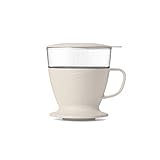
Overview: The OXO Brew Single Serve Pour-Over simplifies the pour-over process for consistent, flavorful coffee without barista-level skill. Designed for one to two cups, it targets home users seeking quality with minimal effort, including a 12-ounce water tank, heat-retaining lid, and starter filter pack. What Makes It Stand Out: Its auto-drip tank is revolutionary, regulating water flow to prevent over-extraction and ensure balanced flavor. The integrated measurement markings eliminate guesswork, while the dual-purpose lid (retaining heat and acting as a drip tray) showcases thoughtful, space-saving engineering uncommon in single-serve brewers. Value for Money: Priced mid-range, it justifies cost through durability and performance. The included unbleached filters reduce initial expenses, and its efficiency avoids wasted coffee or water. While cheaper manual cones exist, OXO’s consistency and ease offer superior value for pour-over newcomers or busy households. Strengths and Weaknesses: Strengths: Auto-drip ensures perfect brew every time; intuitive measurements; compact and versatile; heat-retaining lid doubles as drip tray. Weaknesses: Limited to 12oz max (small for groups); plastic construction feels less premium than stainless alternatives; requires separate kettle for heating water. Bottom Line: An exceptional entry point for pour-over excellence, ideal for solo drinkers or couples prioritizing consistency and ease. Highly recommended for those wanting café-quality coffee without the fuss, despite minor material compromises.
7. Melitta Pour-Over Coffee Brewer & Stainless Steel Carafe Set with Coffee Filters, 42 Ounce Set

Overview: This Melitta set combines a pour-over cone with a 42-ounce thermal stainless steel carafe, targeting home and office users wanting flavorful coffee for multiple cups. It emphasizes simplicity and heat retention, including a starter pack of #4 filters and BPA-free components. What Makes It Stand Out: The thermal carafe is the star, keeping coffee hot for hours without a warming plate—preventing bitterness from overheating. The set’s focus on optimal extraction (via Melitta’s filter design) and its versatility as a “second pot” for decaf or alternative blends addresses real-world household needs effectively. Value for Money: Excellent value for small households or offices. The thermal carafe’s longevity surpasses glass counterparts, and the included filters provide immediate use. While competitors offer similar sets, Melitta’s reputation for extraction quality and the carafe’s durability make this a cost-efficient long-term investment. Strengths and Weaknesses: Strengths: Thermal carafe maintains ideal temperature; BPA-free, dishwasher-safe components; consistent, non-bitter brew; practical capacity for 4-6 cups. Weaknesses: Requires manual pouring (no auto-drip); #4 filters are common but not included long-term; carafe design may limit mug clearance under spout. Bottom Line: A reliable, well-designed set perfect for small groups seeking hot, flavorful coffee without electricity. Its thermal performance and extraction quality make it a top choice for daily use, highly recommended for pour-over enthusiasts needing multiple cups.
8. Melitta 52 oz. Pour-Over Coffee Brewer with Glass Carafe, Black
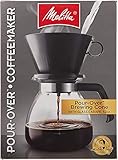
Overview: Melitta’s 52-ounce glass carafe pour-over set delivers a classic, hands-on brewing experience for 6+ cups. It includes a black cone brewer, glass carafe, lid, and starter #6 filters, catering to traditionalists who value control and aesthetics in their morning ritual. What Makes It Stand Out: The smart design features measurement markings on the carafe to prevent overfilling and a stable cone that fits securely. Its focus on “handcrafted” brewing appeals to purists, while the included lid protects coffee pre-pour. The porcelain-like cone offers a premium feel over basic plastic alternatives. Value for Money: Solid mid-tier value. The glass carafe is affordable but requires careful handling, and the included filters provide initial convenience. It’s cheaper than thermal carafe sets but lacks their heat retention, making it best for immediate consumption. Ideal for budget-conscious traditionalists. Strengths and Weaknesses: Strengths: Large 52oz capacity for families; clear carafe markings prevent spills; elegant black cone design; straightforward, authentic pour-over process. Weaknesses: Glass carafe breaks easily and doesn’t retain heat well; no thermal protection requires quick serving; basic plastic lid feels utilitarian. Bottom Line: A dependable, attractive option for pour-over lovers brewing for multiple people who prioritize capacity and simplicity over heat retention. Recommended for those with a steady hand and immediate-drinking habits, though thermal alternatives are better for lingering sips.
9. Roogaluckeep Pour Over Coffee Dripper, Stainless Steel Coffee Filter, Paperless Reusable Coffee Filter, Metal 600 Mesh Strainer Coffee Maker Single Cup Brewer 1-2 Cup

Overview: The Roogaluckeep is a reusable stainless steel pour-over dripper designed for eco-conscious single-cup brewing. Its 600-mesh filter eliminates paper waste, targeting sustainability-focused users wanting rich flavor in 1-2 cups without disposable filters. What Makes It Stand Out: The precision-engineered spiral ribs and large drainage hole optimize water flow for full extraction, while the fine mesh captures oils and fines better than coarse metal filters. Its paperless design is a major eco-advantage, and universal 02-size compatibility ensures it works with most mugs or carafes. Value for Money: Outstanding long-term value despite a slightly higher upfront cost. Eliminating paper filters saves significant money over time, and the durable stainless steel construction promises years of use. For regular coffee drinkers, it pays for itself quickly while reducing environmental impact. Strengths and Weaknesses: Strengths: Truly eco-friendly (zero paper waste); superior oil retention for richer taste; durable, heat-resistant stainless steel; easy one-piece cleaning. Weaknesses: Slight sediment in cup (typical for metal); initial learning curve for optimal pour; may impart faint metallic taste if not cleaned thoroughly. Bottom Line: A must-have for sustainability advocates and flavor purists seeking a greener, cost-effective single-cup solution. Highly recommended despite minor sediment, as its durability and taste benefits outweigh small compromises for eco-minded brewers.
10. Bonavita Enthusiast 8 Cup Drip Coffee Brewer, Pour Over, SCA Certified Coffee Machine with Thermal Carafe, Stainless Steel Panel, Removable Reservoir

Overview: The Bonavita Enthusiast is an SCA-certified drip brewer merging pour-over quality with auto-drip convenience. It crafts 8 cups rapidly using a thermal carafe, targeting home users who demand barista-level precision without manual pouring, featuring a pre-infusion “bloom” mode. What Makes It Stand Out: SCA certification guarantees optimal brewing temps (194°–205°F) and a wide showerhead for even saturation—key for full extraction. The thermal carafe preserves heat without scorching, while the bloom function enhances flavor depth. Its speed (under 7 minutes for 8 cups) bridges the gap between manual and automatic. Value for Money: Premium-priced but justified by certification and performance. It rivals high-end drip machines at a lower cost, with a thermal carafe that outperforms glass. For those valuing certified quality and speed over pure pour-over ritual, it’s a smart investment versus manual setups needing constant attention. Strengths and Weaknesses: Strengths: SCA-certified precision; rapid brewing; thermal carafe retains heat flawlessly; bloom function enriches flavor; easy one-touch cleaning. Weaknesses: Complex setup (requires precise carafe alignment); thermal carafe limits mug size under spout; no programmable timer. Bottom Line: The ultimate choice for hands-off, certified-quality coffee for groups. Highly recommended for households prioritizing speed, temperature accuracy, and heat retention—ideal for upgrading from basic drip machines without sacrificing convenience.
Understanding the Pour-Over Philosophy
Why Manual Pour-Over Excels
Manual pour-over isn’t about speed; it’s about control and engagement. Unlike automated drip machines, you dictate every variable: the exact water temperature hitting the grounds, the rate and pattern of the pour, and the total brew time. This granular control allows for precise extraction, minimizing bitterness from over-extraction or sourness from under-extraction. The direct contact between water and coffee, combined with the paper or metal filter, produces a clean, nuanced cup that showcases the bean’s origin characteristics far more transparently than methods using metal filters alone. It’s the difference between hearing a song through studio monitors versus earbuds – every detail is revealed.
The Core Mechanics of Flavor Extraction
At its heart, pour-over brewing relies on three critical phases: bloom, pour, and drawdown. The bloom – a small initial pour of hot water – releases trapped CO2 from freshly roasted beans, allowing for even subsequent saturation. The main pour then slowly saturates the coffee bed, dissolving soluble compounds. Finally, the drawdown phase is where water filters through the grounds and into your vessel. The design of the brewer directly influences how water flows during these stages. A well-designed cone shape and internal structure promote even saturation and consistent flow rate, which are paramount for balanced extraction. Uneven flow leads to channeling, where water finds paths of least resistance, bypassing coffee and creating weak, sour spots alongside over-extracted bitter zones.
Essential Design Elements to Evaluate
Cone Angle and Its Impact on Flow
The angle of the brewer’s cone is far from arbitrary. Steeper angles (closer to 60 degrees) generally promote a faster, more turbulent flow, which can be beneficial for lighter roasts needing more agitation but risks channeling if not poured carefully. Shallower angles (around 45 degrees) encourage a slower, more laminar flow, allowing for longer contact time with the coffee grounds – ideal for achieving full extraction from medium to darker roasts. The optimal angle often depends on your preferred brew time and roast level, making it a key consideration for tailoring your setup.
The Critical Role of Ribs and Internal Structure
Those seemingly decorative ribs inside many ceramic or glass brewers serve a vital purpose: they create channels for air and water. Without ribs, the wet filter can suction tightly against the brewer wall, significantly slowing or even stopping the drawdown. This “stalling” leads to over-extraction and bitterness. Well-designed ribs maintain a consistent gap between the filter and the wall, ensuring smooth, predictable water flow throughout the entire brew. The number, height, and pattern of these ribs influence flow dynamics – subtle variations that experienced brewers notice in their cup.
Spout Design for Precision Pouring
A brewer’s spout is your interface with the process. A well-engineered spout provides a controlled, laminar stream of coffee into your cup or carafe, minimizing splashing and turbulence that could disturb the coffee bed during the final stages. Look for spouts that are integrated smoothly, without sharp internal edges that could cause drips or an erratic flow. Some spouts are designed to be “dripless,” which is a practical bonus for clean countertops, but the primary function is ensuring a steady, predictable pour that doesn’t disrupt your hard work.
Material Matters: Choosing Your Foundation
Glass: Clarity and Heat Dynamics
Glass brewers, often borosilicate for durability, offer the advantage of transparency. Watching the bloom and the drawdown provides valuable visual feedback on your process. However, glass has relatively poor heat retention compared to other materials. It cools down faster, which can lead to a drop in brew temperature mid-process, potentially causing uneven extraction. Pre-heating becomes absolutely essential with glass to mitigate this. It’s a classic choice offering visibility but demanding meticulous temperature management.
Ceramic: The Heat Retention Champion
High-quality ceramic, especially thick-walled varieties, excels at retaining heat. Once pre-heated, a ceramic brewer maintains a more stable temperature throughout the entire brew cycle, promoting consistent extraction. This thermal stability is highly valued by enthusiasts seeking precision. Ceramic also offers a classic, timeless aesthetic. The main considerations are ensuring it’s made from non-porous, food-safe stoneware and that the glaze is durable and won’t affect flavor. It’s heavier than glass or plastic, adding stability but reducing portability.
Plastic and Resin: Lightweight and Thermal Stability
Modern, high-heat resistant plastics (like Tritan) and food-grade resins have made significant strides. They offer excellent thermal stability – often better than glass and comparable to ceramic – because the material itself doesn’t absorb as much initial heat during pre-rinse. They are incredibly lightweight, durable, and often more affordable. Concerns about flavor transfer are largely unfounded with reputable, coffee-specific materials designed for high temperatures. Their main drawback is often perceived aesthetics compared to traditional materials, but functionally, they are strong contenders, especially for travel or daily durability.
Metal: Durability vs. Conductivity
Stainless steel brewers are prized for extreme durability and near-instant heat transfer. However, this high thermal conductivity is a double-edged sword. While they heat up very quickly, they also lose heat rapidly to the surrounding air unless insulated. Uninsulated metal brewers can cause significant temperature drops during brewing. Some feature double-walled construction to improve heat retention, but this adds bulk and cost. Metal is generally the least common primary material for dedicated pour-over cones due to these thermal challenges, though it’s common in hybrid systems or travel mugs used as bases.
Functionality and User Experience
Stand Integration: Stability and Versatility
Many brewers come with a dedicated stand, while others are designed to sit directly on your cup or carafe. A well-designed stand provides crucial stability, preventing wobbles during pouring that could disturb the coffee bed. It also elevates the brewer, allowing you to use a wider variety of vessels underneath – from small mugs to large carafes. Stands made of heat-resistant materials (like certain plastics, silicone, or metal) protect your counter. Consider how the stand integrates: is it secure? Does it take up minimal space? Can it be easily stored with the brewer?
Capacity Considerations for Your Routine
Brewers come in various sizes, typically ranging from single-serve (1-2 cups) to larger formats (4+ cups). Choosing the right capacity is vital for consistent results. Brewing a single cup in a large brewer concentrates the coffee too much at the bottom, leading to over-extraction, while overfilling a small brewer restricts water flow. Match the brewer size to your typical daily consumption. Some enthusiasts own multiple sizes for different occasions. Remember that capacity ratings often assume standard coffee-to-water ratios; your actual coffee grounds volume will dictate the necessary brewer size.
Filter Compatibility: Paper, Metal, or Hybrid
This is a fundamental choice impacting flavor and cleanup. Paper filters (standard or specialized like thick or folded) produce the cleanest cup, removing oils and fine sediment, highlighting brightness and clarity. Metal mesh filters (stainless steel or gold-plated) allow more oils and micro-grounds through, resulting in a heavier body and potentially richer mouthfeel, but can mute delicate acidity. Hybrid filters (like cloth or specific synthetics) offer middle-ground characteristics. Crucially, ensure the brewer you choose is explicitly designed for your preferred filter type – the cone shape and internal dimensions must match the filter for proper seating and flow.
Ease of Cleaning and Maintenance
Pour-over should be a joy, not a chore. Consider how easy the brewer is to clean immediately after use. Smooth internal surfaces without hard-to-reach crevices prevent coffee oils from building up and becoming rancid. Does it fit easily in your dishwasher (check manufacturer guidelines, especially for plastic/resin)? How bulky is it to store? Brewers with complex internal ribs might require more scrubbing. Some materials (like certain plastics) are more prone to staining over time, though this rarely affects flavor. A brewer that’s a hassle to clean is less likely to be used consistently.
Advanced Features for the Discerning Brewer
Precision Pour Spouts on Kettles (Not the Brewer, But Crucial)
While not a feature of the brewer itself, the importance of a gooseneck kettle for pour-over cannot be overstated. A long, thin, gooseneck spout provides unparalleled control over the pour rate and stream placement. This precision is essential for techniques like the center-pour spiral or pulse pouring, ensuring even saturation and preventing channeling. The brewer works with the kettle; a poorly controlled pour can undermine even the best-designed cone. Consider kettle compatibility as part of your overall system.
Heat Retention Technologies
Beyond basic material choice, some brewers incorporate specific technologies to maximize thermal stability. This might include double-walled construction (like a thermos), special insulating coatings on the interior or exterior, or even integrated thermal sleeves. These features actively combat heat loss during brewing, maintaining the critical water temperature window (typically 195°F-205°F / 90°C-96°C) for optimal extraction consistency, especially in cooler environments or during longer brews.
Ergonomic Design for Comfortable Pouring
Long pours can strain your wrist. Look for brewers with comfortable, well-balanced handles that stay cool (especially important for glass/ceramic) and provide a secure grip. The overall weight distribution should feel stable in your hand. Some designs feature thumb rests or textured grips. While subtle, these ergonomic touches make a significant difference in the enjoyment and repeatability of your pour, particularly if you brew multiple cups regularly.
Visual Brew Guides and Markings
Some brewers incorporate subtle volume markings or visual guides on the interior or exterior. These can help with consistent water addition during different pour phases (bloom, main pour) without needing to constantly glance at a scale, streamlining the process. While not essential for experts, they can be helpful learning aids for those dialing in new recipes or ensuring consistency day-to-day.
Matching the Brewer to Your Brewing Style
Light Roast Enthusiasts: Seeking Clarity and Brightness
If you gravitate towards light roasts showcasing complex floral, citrus, or tea-like notes, prioritize brewers that emphasize clarity. A medium-steep cone angle (around 50-55 degrees) combined with paper filters is often ideal. Excellent heat retention (ceramic or double-walled plastic) is crucial to maintain temperature for the longer extraction times light roasts often require. Look for designs promoting even saturation to highlight delicate acids without harshness. Avoid anything that might cause channeling or excessive heat loss.
Medium Roast Lovers: Balancing Body and Acidity
Medium roasts offer a versatile sweet spot. Brewers with a slightly shallower angle (45-50 degrees) can help develop balanced body and sweetness without muddying the inherent acidity. Both paper and metal filters can work well here, depending on whether you prefer a cleaner profile (paper) or a touch more texture (metal). Good heat retention remains important, but medium roasts are generally a bit more forgiving than lights. Focus on consistent flow – reliable ribs and a stable base are key.
Dark Roast Drinkers: Managing Bitterness and Body
Dark roasts benefit from designs that promote even, slightly slower extraction to avoid amplifying bitterness. A shallower cone angle (40-45 degrees) encourages longer contact time for full development of chocolatey or nutty notes while mitigating harshness. Metal filters can complement the heavier body often associated with dark roasts, though paper filters will yield a cleaner cup. Heat retention is still vital, but the risk of temperature drop exacerbating bitterness makes it particularly important. Ensure the brewer minimizes channeling, which is especially detrimental to dark roasts.
The Importance of the Complete System
Beyond the Cone: Vessel and Scale Synergy
The brewer cone is just one component. The vessel it sits on (mug, carafe, server) impacts heat retention and final taste. Pre-heating this vessel is as crucial as pre-heating the brewer. A sturdy, accurate scale (0.1g resolution) placed under the setup is non-negotiable for precision – measuring both coffee and water by weight, not volume. Your gooseneck kettle, as mentioned, is the other half of the pouring equation. A brewer might be excellent, but if it doesn’t integrate smoothly with your scale, kettle, and server, the overall experience suffers.
Filter Selection’s Profound Flavor Influence
Reiterating the filter point is essential because its impact rivals the brewer itself. Paper filters (bleached or unbleached) deliver pristine clarity but can absorb some aromatic compounds. Rinsing paper filters eliminates any papery taste. Metal filters offer durability and body but require meticulous cleaning to avoid oil buildup affecting flavor. Some paper filters (like thick Japanese-style) slow flow for deeper extraction, while others are faster. Experimenting with filter types in your chosen brewer is one of the most effective ways to fine-tune your cup profile.
Frequently Asked Questions
How crucial is pre-heating the pour-over brewer?
Pre-heating is absolutely critical for consistent results. Pouring hot water onto a cold brewer instantly drops the water temperature, leading to under-extraction and sourness. Always rinse your filter and the brewer itself with hot water just before adding coffee grounds to stabilize the brewing environment.
Paper filter vs. metal filter: which is better?
Neither is universally “better”; it depends on your taste preference. Paper filters produce a cleaner, brighter cup by removing oils and fines. Metal filters allow more oils through, resulting in a heavier body and potentially richer mouthfeel but can mute delicate acidity. Paper requires disposal, metal requires thorough cleaning.
Why does my coffee taste bitter/sour with pour-over?
Bitterness usually indicates over-extraction (too fine a grind, too hot water, too long brew time, or channeling). Sourness points to under-extraction (too coarse a grind, not hot enough water, too short brew time, or uneven saturation). Adjust one variable at a time (start with grind size) to diagnose and fix the issue.
How do I prevent my pour-over from stalling or dripping too slowly?
Stalling is often caused by the wet filter suctioning to the brewer walls. Ensure your brewer has adequate internal ribs to create air channels. Using the correct size filter that fits snugly but not tightly is also key. A slightly coarser grind can sometimes help, but poor flow design is usually the root cause.
Does the material of the brewer significantly affect the taste?
High-quality, food-safe materials (glass, ceramic, specific plastics, stainless steel) used in reputable brewers generally do not impart flavor if kept clean. However, material significantly impacts heat retention, which directly affects extraction and thus taste. Ceramic usually retains heat best, glass worst (without pre-heat), with plastics/resins often in between.
What’s the ideal cone angle for pour-over?
There’s no single “ideal” angle; it depends on your roast and preference. Steeper angles (55-60°) encourage faster flow, good for light roasts needing agitation. Shallower angles (40-45°) promote slower flow and longer contact time, often preferred for medium/dark roasts seeking balance and body. Experimentation is key.
How important is a gooseneck kettle for pour-over?
Extremely important. A gooseneck kettle provides the precise control over pour rate and stream placement necessary for even saturation and preventing channeling. A standard kettle spout lacks the finesse required for consistent, high-quality pour-over results. It’s considered essential equipment by serious enthusiasts.
Can I use a pour-over brewer directly on my coffee cup?
Yes, many single-serve brewers (e.g., for 1-2 cups) are designed to sit directly on a standard mug. Ensure the mug is stable and pre-heated. For larger brewers or carafes, a stand is usually necessary for stability and to accommodate the vessel size.
How do I clean coffee oils from my brewer?
For plastic/resin or ceramic, use warm water, a soft brush (like a dedicated bottle brush), and mild dish soap immediately after use. For stubborn oil buildup, a mixture of water and baking soda or a dedicated coffee equipment cleaner can be effective. Avoid abrasive scrubbers that can scratch surfaces. Metal filters require thorough scrubbing after each use.
What grind size should I use for pour-over?
Pour-over typically requires a medium-fine grind, similar to table salt or slightly finer. Too coarse leads to sourness; too fine leads to bitterness and clogging. The exact setting varies significantly based on the specific brewer, roast level, and your recipe. Always start with a medium-fine setting and adjust based on taste – it’s the most impactful variable to dial in.
See Also
- 10 Best Carafe Coffee Makers for Consistent Brewing in 2026
- We Tested 50 Portable Coffee Makers - Here are the 10 Best for Camping
- ‘Best Coffee Makers for Large Families: 10 Expert Picks for 2026’
- 10 Affordable Coffee Maker Water Filters That Don’t Sacrifice Quality in 2026
- Stop Wasting Coffee Pods with the 10 Best Automatic Pod Coffee Makers This