Table of Contents
There’s something undeniably captivating about watching coffee bloom. As hot water hits the grounds, you witness the magic unfold—the gentle rise, the release of aromatic oils, the deepening hue transforming clear water into rich brew. This visual journey is where glass French presses shine, offering a front-row seat to the entire extraction process. Unlike their opaque counterparts, glass presses turn brewing into a mindful ritual, allowing you to observe subtle changes in color and texture that signal the perfect moment to plunge. It’s not just about making coffee; it’s about understanding it, gaining those “aha” moments that elevate your daily cup from routine to revelation.
For coffee lovers seeking control and clarity, a glass French press is more than a tool—it’s a window into the soul of your brew. The transparency empowers you to fine-tune variables like steep time and water temperature based on real-time visual cues, leading to consistently nuanced results. But with so many options flooding the market, how do you navigate the sea of glass carafes, stainless steel frames, and filter systems to find the one that truly enhances your brewing insight? Forget fleeting top-10 lists that expire by next month; this guide cuts through the noise. We’ll explore the essential features that transform a simple glass vessel into your most valuable coffee ally, focusing on durability, heat retention, filter performance, and design elements that deliver genuine brewing intelligence for years to come.
Top 10 Glass French Presses
Detailed Product Reviews
1. Veken French Press Coffee Maker 34oz, No Plastic Touching Cafe,Thickened Glass Stainless Steel Brewer, Cold Brew Cafetera Tea pot for Kitchen Travel Camping, Gifts, Decor, Bar Accessories, Dark Pewter

Overview:
This 34oz French press prioritizes purity and versatility, engineered with food-contact surfaces entirely free of plastic. Crafted from thickened borosilicate glass (heat-resistant to 360°F) and 304 stainless steel, it handles hot coffee, cold brew, and tea with equal finesse, targeting health-conscious users seeking multi-functional brewing.
What Makes It Stand Out:
The standout feature is its 4-layer stainless steel filtration system—combining spiral plates, cross plates, and dual fine mesh screens—to eliminate sludge while preserving rich flavor and aroma. Combined with 100% plastic-free brewing surfaces (using food-grade silicone seals), it ensures zero plastic contamination, a rarity in mid-priced presses.
Value for Money:
Priced competitively below premium brands, it delivers exceptional value through durable construction, versatile use (home, travel, gifting), and dishwasher-safe components. It outperforms similarly priced models with plastic parts, justifying its cost for those prioritizing material safety and filtration quality.
Strengths and Weaknesses:
Strengths: Plastic-free brewing; superior 4-stage filtration; thermal shock-resistant glass; easy disassembly for cleaning; compact for travel.
Weaknesses: Glass carafe requires careful handling; no included lid seal for travel (unlike some competitors); limited color options.
Bottom Line:
An outstanding choice for purists wanting clean, flavorful coffee without plastic exposure. Its robust build and filtration justify the price, making it a top recommendation for daily use and gifting—just handle the glass with care.
2. Bodum 34oz Chambord French Press Coffee Maker, High-Heat Borosilicate Glass, Polished Stainless Steel – Made in Portugal

Overview:
The iconic Bodum Chambord is a premium 34oz French press celebrated for its timeless design and reliable performance. Featuring high-heat borosilicate glass and polished stainless steel, it’s built for durability and classic aesthetics, appealing to traditionalists who value heritage craftsmanship.
What Makes It Stand Out:
Its polished stainless steel frame and seamless integration of glass and metal set it apart aesthetically. The Chambord’s precision-engineered plunger and mesh filter consistently produce full-bodied coffee, while its Made-in-Portugal heritage signals quality assurance rarely matched in budget models.
Value for Money:
At a higher price point, it offers value through longevity and brand trust. While pricier than basic presses, its elegant design and consistent performance justify the cost for users seeking a statement piece that endures decades—not just years.
Strengths and Weaknesses:
Strengths: Elegant, durable stainless steel construction; reliable flavor extraction; easy one-handed pouring; dishwasher-safe (except glass); heirloom-quality build.
Weaknesses: Glass carafe vulnerable to breakage; no plastic-free guarantee (silicone/plastic seals contact coffee); minimal innovation beyond core functionality.
Bottom Line:
A superb investment for coffee connoisseurs prioritizing aesthetics and tradition. Though it lacks modern upgrades like enhanced filtration, its timeless design and reliability earn a strong recommendation for those valuing enduring craftsmanship.
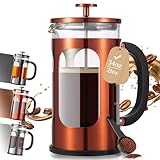
3. Veken French Press Coffee Maker 34oz 1 L, No Plastic Touching Cafe, Heat Resistant Thickened Borosilicate Glass, Stainless Steel Brewer, Cold Brew Cafetera Teapot for Kitchen Travel Camping, Copper
Overview:
Identical in function to Product 1 but featuring a copper-hued stainless steel finish, this 34oz Veken press emphasizes plastic-free brewing and thermal resilience. It targets users seeking the same safety and performance as the Dark Pewter model but with a warmer, modern aesthetic for kitchen or travel use.
What Makes It Stand Out:
The copper finish distinguishes it visually while retaining all core advantages: 4-layer filtration for sludge-free coffee, 100% plastic-free brewing surfaces (304 stainless steel/silicone), and versatile hot/cold brewing. The copper coating adds style without compromising its safety-focused engineering.
Value for Money:
Priced similarly to its pewter counterpart, it offers identical value—superior filtration and material safety at a fraction of premium brand costs. The copper variant provides aesthetic flexibility, making it ideal for matching kitchen decor or gifting to style-conscious coffee lovers.
Strengths and Weaknesses:
Strengths: Plastic-free construction; exceptional 4-stage filter; copper finish enhances durability/style; disassembles easily for cleaning; portable design.
Weaknesses: Glass remains fragile; copper finish may show scratches over time; no travel lid included.
Bottom Line:
A near-identical twin to Product 1 with added visual flair. Highly recommended for those wanting top-tier filtration and plastic-free brewing in a stylish copper package—perfect for gifting or elevating your countertop aesthetic.
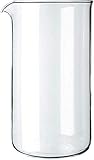
4. Bodum 34oz Spare Carafe for French Press, High-Heat Borosilicate Glass
Overview:
This is a replacement glass carafe exclusively for compatible 34oz Bodum French presses (e.g., Brazil, Paris models). Made from borosilicate glass, it addresses a common pain point: broken carafes rendering entire presses unusable, extending the life of your existing Bodum system.
What Makes It Stand Out:
Its precise fit for specific Bodum models (excluding Chambord with locking lids) ensures seamless integration. The heat-resistant glass maintains brewing integrity, offering a cost-effective lifeline for owners of discontinued or damaged presses without requiring a full replacement.
Value for Money:
High value only as a targeted replacement—typically costing 25-40% of a new press. For compatible model owners, it’s indispensable. However, it holds zero standalone utility, making it irrelevant for non-Bodum users or Chambord owners.
Strengths and Weaknesses:
Strengths: Exact OEM replacement; restores functionality affordably; durable borosilicate glass; essential for press longevity.
Weaknesses: Extremely limited compatibility (verify model numbers!); useless without a matching Bodum press; no added features beyond original carafe.
Bottom Line:
A niche but vital purchase if you own a compatible Bodum press and need a carafe. Strongly recommended for existing users, but irrelevant otherwise—confirm your model number before buying to avoid frustration.
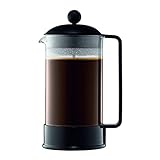
5. Bodum 34oz Brazil French Press Coffee Maker, High-Heat Borosilicate Glass, Black - Made in Portugal
Overview:
The Bodum Brazil is a 34oz French press blending affordability with Bodum’s signature reliability. Featuring heat-resistant borosilicate glass and a BPA-free plastic body, it delivers classic French press functionality at an accessible price point, ideal for daily home or office use.
What Makes It Stand Out:
Its lightweight, ergonomic plastic construction (unlike the Chambord’s steel) makes it highly portable and shatter-resistant. The stainless steel plunger and filter ensure robust extraction, while the black finish offers a modern twist on Bodum’s minimalist design.
Value for Money:
Excellent value as Bodum’s most budget-friendly model. It undercuts the Chambord significantly while retaining core Bodum quality—perfect for beginners or those prioritizing portability over premium materials. Justifies its cost through brand reliability and eco-friendliness (no paper filters needed).
Strengths and Weaknesses:
Strengths: Lightweight and durable plastic body; affordable Bodum entry point; easy cleanup; eco-conscious brewing; comfortable grip.
Weaknesses: Plastic components feel less premium; seals may degrade faster than steel models; no plastic-free brewing assurance.
Bottom Line:
A smart pick for cost-conscious users wanting trusted Bodum performance with travel-friendly durability. Recommended for daily routines where portability matters more than luxury materials—just avoid if plastic-free brewing is non-negotiable.
6. Utopia Kitchen Borosilicate Glass French Press Coffee Maker 34 Oz, Heat-Resistant Cafetiere & Tea Maker, Thickened Glass Coffee Press for Travel and Camping, Black
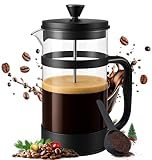
Overview: The Utopia Kitchen French Press is a 34-ounce borosilicate glass brewer designed for coffee, tea, and cold brew, targeting home users and travelers seeking an affordable, versatile manual brewer. Its compact, black-accented design emphasizes portability and simplicity.
What Makes It Stand Out: Its standout feature is the 4-filter sieve system with an 80-mesh filter, promising residue-free coffee while preserving rich flavors. The thickened borosilicate glass handles thermal shock well, and included accessories like a coffee spoon enhance usability. Versatility for tea, hot chocolate, and camping use broadens its appeal beyond coffee purists.
Value for Money: Priced mid-range, it offers strong value with durable glass construction and multi-use functionality, undercutting premium brands like Bodum. While not the cheapest, its included spoon and travel-friendly design justify the cost versus basic plastic models.
Strengths and Weaknesses: Strengths: Excellent filtration clarity; lightweight for camping; easy four-step brewing; dishwasher-safe components (except lid). Weaknesses: Plastic lid requires hand-washing; glass body remains fragile despite thermal resistance; no insulation for heat retention.
Bottom Line: A reliable, budget-friendly choice for casual campers and home brewers prioritizing flavor purity and versatility, though not ideal for rough travel due to glass vulnerability.
7. Cafe Du Chateau Stainless Steel French Press Coffee Maker 34 oz - Easy to Use Insulated Coffee Press with 4-Level Filtration, Manual Brewer for Tea, Camping & Travel with BPA Free, Durable Clear Glass
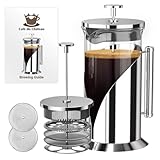
Overview: This 34-ounce French press combines borosilicate glass with a reinforced plastic frame, targeting eco-conscious users who want café-quality brewing at home or outdoors. It emphasizes its 4-level stainless steel filtration and vintage-inspired aesthetics.
What Makes It Stand Out: The true highlight is the full stainless steel 4-level filter system, which extracts oils while minimizing sediment—unlike glass models with partial metal filters. The clear borosilicate glass carafe lets users monitor brewing, and the plastic frame adds lightweight durability for travel, though it sacrifices premium feel.
Value for Money: Competitively priced, it delivers professional-grade filtration at a fraction of Bodum’s cost. The plastic frame lowers the price but may deter those seeking all-metal construction, making it a smart buy for filtration-focused users on a budget.
Strengths and Weaknesses: Strengths: Superior stainless steel filtration; portable and lightweight; easy disassembly for cleaning; versatile for tea/cold brew. Weaknesses: Plastic frame feels less premium; glass still prone to breakage; no thermal insulation for prolonged heat retention.
Bottom Line: An excellent value for filtration performance and portability, ideal for travelers and daily brewers—but skip if you prioritize all-metal durability.
8. Veken French Press Coffee Maker 34oz 1 L, No Plastic Touching Cafe, Heat Resistant Thickened Borosilicate Glass, Stainless Steel Brewer, Cold Brew Cafetera Teapot for Kitchen Travel Camping, Silver

Overview: The Veken French Press is a 34-ounce brewer focused on safety and purity, using 100% plastic-free food contact materials (304 stainless steel and silicone). It targets health-conscious users seeking uncompromised flavor for coffee, tea, or cold brew.
What Makes It Stand Out: Its defining USP is “no plastic touching food,” eliminating chemical leaching risks. The 4-layer stainless steel filter ensures smooth, sludge-free coffee, while thickened borosilicate glass handles 360°F thermal shock. Compactness and elegant silver design enhance its giftability and travel utility.
Value for Money: Priced moderately, it justifies cost through material safety and durability. It’s pricier than basic glass models but cheaper than Bodum, making it a worthwhile investment for those prioritizing non-toxic brewing without luxury branding.
Strengths and Weaknesses: Strengths: Truly plastic-free construction; exceptional 4-layer filtration; highly portable; easy disassembly for cleaning. Weaknesses: Glass base still fragile; silicone seal may degrade over time; no included accessories.
Bottom Line: The top pick for health-focused brewers wanting pure taste and travel readiness, though handle glass with care during outdoor use.
9. Bodum 34oz Chambord French Press Coffee Maker, High-Heat Borosilicate Glass, Stainless Steel, Copper – Made in Portugal

Overview: The iconic Bodum Chambord is a 34-ounce French press crafted in Portugal, representing premium craftsmanship. With its copper-accented stainless steel frame and borosilicate glass, it’s designed for discerning home baristas seeking timeless elegance and optimal flavor extraction.
What Makes It Stand Out: Bodum’s heritage shines through its seamless integration of form and function: the stain-resistant borosilicate glass preserves pure flavor, while the triple-chrome-plated stainless steel frame ensures decades of use. The ergonomic matte-black handle and copper detailing offer unmatched aesthetic appeal in the category.
Value for Money: As the most expensive option, it’s a splurge—but justifiable for its build quality and brand legacy. It outperforms budget models in longevity and heat retention, though value hinges on appreciating design heritage over features like 4-level filtration (unspecified but implied).
Strengths and Weaknesses: Strengths: Legendary durability; superior flavor preservation; elegant design; comfortable grip; 8-cup capacity. Weaknesses: Premium price; glass still breakable; no explicit multi-use claims for tea/cold brew.
Bottom Line: A worthy heirloom-quality investment for coffee connoisseurs prioritizing aesthetics and reliability, though overkill for casual campers.
10. BAYKA French Press Coffee Maker, Easy to use,Large 304 Stainless Steel Coffee Press, Cold Brew Heat Resistant Thickened Borosilicate Coffee Pot for Camping Travel Gifts, 34 Ounce, Dark Pewter

Overview: BAYKA’s 34-ounce French press merges classic glass brewing with modern durability, featuring thickened borosilicate glass and a dark pewter finish. It targets giftable, multi-scenario use—from camping to kitchens—with emphasis on sediment-free coffee.
What Makes It Stand Out: The 4-level filtration system (metal mesh, spring disk, cross plate, and screen) rivals premium models at a lower cost. Its dark pewter aesthetic stands out visually, while thermal-shock-resistant glass and dishwasher-safe components prioritize practicality for daily or outdoor use.
Value for Money: Exceptionally priced for its feature set, offering Bodum-like filtration without the markup. Ideal for budget-savvy buyers needing reliability for travel, though the glass body limits ruggedness versus all-stainless alternatives.
Strengths and Weaknesses: Strengths: Smooth, sediment-free brews; attractive dark finish; easy cleaning; versatile for tea/cold brew. Weaknesses: Glass remains a camping liability; pewter coating may scratch; lacks included accessories.
Bottom Line: The best budget-versatile performer for home and light travel use, delivering premium filtration at an accessible price—just avoid drops.
Understanding the Glass French Press Advantage
The Visual Brewing Experience
The defining strength of a glass French press lies in its transparency. Watching the coffee steep allows you to monitor the extraction process intimately. You can see the initial bloom as CO2 escapes, observe the grounds gradually saturating, and notice the color deepening from light amber to a rich mahogany. This visual feedback is invaluable for diagnosing issues like under-extraction (pale color, weak body) or over-extraction (excessively dark, potentially bitter notes), helping you adjust future brews with precision.
Material Impact on Flavor Clarity
Glass itself is non-porous and inert, meaning it won’t absorb coffee oils or flavors from previous brews like some plastics or even certain metals can over time. This neutrality ensures that the pure, unadulterated taste of your coffee beans shines through without any residual taint. You taste exactly what the beans offer, making it ideal for discerning subtle flavor notes in single-origin or specialty coffees where purity matters.
Critical Construction Features for Durability
Borosilicate Glass vs. Soda-Lime Glass
Not all glass is created equal for coffee brewing. Borosilicate glass, often found in premium kitchenware, contains boron trioxide, making it significantly more resistant to thermal shock (sudden temperature changes) than standard soda-lime glass. This is crucial because pouring boiling water into a cold press is a common stress point. Borosilicate is less likely to crack or shatter, ensuring longevity and safety during your daily ritual.
Frame and Handle Design Integrity
The glass carafe rarely stands alone; it’s supported by a frame (often stainless steel) and features a handle. Look for frames that provide comprehensive support, cradling the carafe securely at the base and often incorporating a protective band around the middle. Handles should be ergonomically shaped, heat-resistant (often using silicone or Bakelite), and firmly attached to the frame—not the fragile glass itself. A wobbly handle or flimsy frame drastically increases the risk of accidents.
Lid and Plunger Mechanism Stability
The lid and plunger assembly must fit snugly within the carafe without wobbling excessively. A stable plunger ensures even pressure when depressing the filter, preventing grounds from bypassing the sides and ending up in your cup. The lid should create a decent seal to minimize heat loss during steeping but not be so tight that it’s difficult to remove. Stainless steel components for the plunger rod and filter housing are essential for corrosion resistance and longevity.
Mastering Heat Retention for Optimal Extraction
The Importance of Consistent Temperature
Coffee extraction is highly temperature-dependent. Ideal brewing occurs between 195°F and 205°F (90°C-96°C). If the press loses heat too quickly during the critical 4-minute steep, extraction slows down, potentially leading to under-extracted, sour coffee. Glass inherently loses heat faster than double-walled insulated presses, making the design choices around heat retention even more vital for achieving balanced flavor.
Double-Walled Glass Construction
Some higher-end glass presses feature double-walled construction. This design creates an insulating air gap between two layers of glass, significantly slowing down heat loss compared to a single-walled carafe. While not matching the insulation of a full stainless steel press, double-walled glass offers a much-improved heat retention profile, keeping your brew within the optimal temperature range longer for more consistent extraction.
Pre-Heating: A Non-Negotiable Step
Regardless of construction, pre-heating your glass French press is absolutely critical. Rinse the carafe thoroughly with near-boiling water before adding coffee grounds. This simple step raises the carafe’s temperature, minimizing the initial thermal shock when you add brewing water and preventing a significant drop in the water’s starting temperature. Skipping this step is a surefire way to compromise your brew’s quality.
Filter Performance: The Key to a Sediment-Free Cup
Mesh Quality and Layering
The filter’s effectiveness hinges on the quality and configuration of its metal mesh. Look for filters with multiple layers of fine mesh (often 3-4 layers). More layers and finer weaves trap smaller coffee particles, resulting in a cleaner cup with minimal silt at the bottom. Coarse single-layer filters often let too many fines through, leading to a gritty texture that can overpower delicate flavors.
Filter Shape and Seal Dynamics
The shape of the filter basket matters. A well-designed filter should have a slight curvature or be shaped to match the carafe’s interior contour, promoting a better seal against the glass wall as you press down. A poor seal allows grounds to sneak past the edges, defeating the purpose of the filter. Smooth, consistent downward pressure is easier with a filter that glides cleanly without catching.
Ease of Cleaning and Maintenance
A cumbersome filter assembly is a recipe for neglect. Opt for designs where the filter components (mesh, crown, rod) can be easily disassembled without tools. Stainless steel parts should resist staining and be dishwasher safe (though hand washing is often gentler on glass). Filters that are difficult to clean thoroughly will harbor old coffee oils, leading to rancid flavors in subsequent brews.
Size Matters: Matching Capacity to Your Needs
Standard Sizes and Practical Considerations
Glass French presses commonly come in 3-cup (12 oz / 350ml), 4-cup (17 oz / 500ml), and 8-cup (34 oz / 1L) sizes. Remember, “cups” here refer to standard 4-ounce coffee measures, not typical mug sizes. A 4-cup press yields roughly two standard 8-ounce mugs. Consider your typical brewing volume: brewing too little in a large press can lead to poor extraction due to excessive headspace, while constantly maxing out a small press is inconvenient.
Single-Serve vs. Group Brewing
If you primarily brew for one, a smaller 3-cup press minimizes waste and ensures optimal coffee-to-water ratios. For households or frequent entertaining, an 8-cup model offers flexibility. However, consistently brewing small batches in a large press can be problematic. Some presses offer intermediate sizes (like 500ml), striking a balance for 1-2 people without the pitfalls of underfilling a giant carafe.
Footprint and Storage Realities
Don’t overlook physical space. Measure where you plan to store the press. Larger 8-cup models, especially double-walled ones, can be quite wide and tall. Ensure it fits comfortably in your cabinet or on your counter without dominating the space. A press that’s a pain to store is less likely to be used regularly.
Ergonomics and User Experience Essentials
Comfortable Plunging Motion
Pressing down the plunger should feel smooth and controlled, not stiff or wobbly. A well-engineered plunger mechanism with a comfortable, heat-resistant knob allows for even pressure application. Jerky or uneven plunging can agitate the grounds excessively, forcing more silt through the filter. Test the action if possible, or read reviews focusing on this specific feel.
Pouring Precision and Drip Control
The spout design significantly impacts your pouring experience. A well-defined, cleanly tapered spout promotes a controlled, drip-free pour directly into your cup. Blunt or poorly shaped spouts often lead to drips down the side of the carafe, creating messes and potential heat hazards. Look for models praised for their “drip-free” performance.
Stability on the Counter
A French press needs a solid, non-slip base. Rubberized or silicone feet on the frame prevent the press from sliding during the plunging motion, which is crucial for safety and control. A wobbly press is frustrating and increases the risk of spills or breakage, especially when the carafe is full.
Safety Considerations for Glass Presses
Thermal Shock Prevention Strategies
Even with borosilicate glass, avoiding extreme, rapid temperature changes is wise. Never place a hot carafe directly on a cold, wet surface or immerse it in cold water immediately after brewing. Allow it to cool gradually on a dry trivet or wooden board. Pre-heating (as mentioned earlier) is the first line of defense against thermal shock.
Handling Hot Glass Safely
Always use the handle, and ensure it’s designed to stay cool. Be mindful that the glass itself, especially the upper portion and spout area, can become very hot during and after brewing. Teach others in your household about safe handling. Avoid presses where the handle attaches directly to the glass, as stress points here are common failure locations.
Child and Pet Safety in the Kitchen
Glass French presses present a breakage hazard in busy households. Store them securely when not in use, away from the edge of counters. Consider if a more durable stainless steel press might be a better primary option if young children or clumsy pets are frequently underfoot, reserving the glass press for more controlled brewing sessions.
Cleaning and Long-Term Care Protocols
Daily Cleaning Best Practices
Disassemble the plunger/filter completely after each use. Rinse all parts immediately under warm water to prevent coffee oils from drying and sticking. Use a soft sponge or brush (dedicated to coffee gear) with mild soap to clean the carafe and mesh. Avoid abrasive scrubbers that can scratch glass or damage mesh. Pay special attention to the crevices where the filter meets the crown.
Deep Cleaning for Oil Residue
Coffee oils can build up over time, becoming rancid and tainting future brews. Perform a deep clean weekly or bi-weekly. Soak disassembled parts in a solution of warm water and a dedicated coffee cleaner (or a paste of baking soda and water) for 15-30 minutes. Rinse extremely thoroughly. Avoid vinegar soaks frequently, as prolonged exposure can potentially etch glass over many years.
Storage to Prevent Damage
Store the press fully disassembled and completely dry. Nesting the plunger components loosely inside the carafe is common, but ensure no moisture is trapped. Avoid stacking heavy items on top of the carafe. If storing for an extended period, leave the lid off to prevent mustiness. Proper storage prevents cracks from stress and keeps components fresh.
Integrating Your Glass Press into Your Coffee Routine
Selecting the Right Grind Size
The grind size is paramount for French press success. Aim for a coarse, even grind, similar to breadcrumbs or coarse sea salt. Too fine, and you’ll get excessive silt and bitterness; too coarse, and the brew will be weak and under-extracted. A quality burr grinder is highly recommended over blade grinders for achieving the necessary consistency.
Water Quality and Temperature Control
Use filtered water if your tap water has strong odors or high mineral content, as it directly impacts taste. Invest in a gooseneck kettle with a thermometer for precise temperature control. Bring water to a boil, then let it sit off the boil for 30-60 seconds to reach the ideal 195°F-205°F range before pouring over grounds.
The Art of the Bloom and Steep
After adding coffee (standard ratio is 1:15 coffee to water by weight), pour just enough hot water to saturate the grounds. Let it bloom for 30 seconds – this releases trapped CO2. Then, fill to the desired level. Place the lid with the plunger pulled all the way up. Start your timer (typically 4 minutes). Watch the color deepen. At the end, press down slowly and steadily.
Frequently Asked Questions
How can I prevent my glass French press from breaking?
Prevent breakage by always pre-heating the carafe with hot water, using borosilicate glass models, avoiding sudden temperature shocks (like placing a hot press on a cold surface), ensuring the frame provides full support, and handling it carefully by the handle, not the glass.
Is borosilicate glass really necessary for a French press?
Yes, borosilicate glass is highly recommended. Its superior resistance to thermal shock makes it far less likely to crack when exposed to boiling water compared to standard soda-lime glass, significantly enhancing safety and longevity.
Why is my French press coffee so gritty?
Grittiness is caused by fine coffee particles escaping the filter. Ensure you’re using a coarse grind, check that your filter has multiple fine mesh layers, confirm the filter seals well against the carafe walls during plunging, and press down slowly and steadily.
Do glass French presses keep coffee hot as long as metal ones?
Generally, no. Single-walled glass loses heat faster than insulated stainless steel presses. Double-walled glass models offer much better heat retention than single-walled but still typically won’t match the insulation of a well-designed double-walled metal press.
How should I clean coffee oils from my French press?
Disassemble all parts. For daily cleaning, use warm soapy water and a soft brush. For deep cleaning oil buildup, soak parts in a solution of warm water and dedicated coffee cleaner or baking soda paste for 15-30 minutes, then rinse very thoroughly. Avoid harsh abrasives.
Can I put my glass French press in the dishwasher?
While some components (like stainless steel filters) might be dishwasher safe, it’s generally not recommended for the glass carafe. Dishwasher cycles involve harsh detergents, high heat, and physical jostling that can weaken borosilicate glass over time and increase breakage risk. Hand washing is safer.
What’s the best coffee-to-water ratio for a French press?
A standard starting point is a 1:15 ratio by weight (e.g., 30g coffee to 450g water). Adjust to taste: use more coffee for stronger brew or less for milder. Volume measurements (tablespoons) are less accurate due to coffee bean density variations; a kitchen scale is ideal.
How long should I steep coffee in a French press?
The standard steep time is 4 minutes. This provides a good balance for most coffees and grind sizes. You can adjust slightly: 3:30 for brighter acidity, 4:30 for heavier body, but exceeding 5 minutes often leads to over-extraction and bitterness. Watch the color as a guide.
Why do I need to pre-heat the French press?
Pre-heating rinses the carafe with hot water to raise its temperature. This minimizes the drop in your brewing water’s temperature when added, ensuring it stays within the optimal 195°F-205°F range for proper extraction from the very start.
Can I use a glass French press for cold brew?
Yes, glass French presses work well for cold brew. Use a very coarse grind, combine coffee and cold filtered water (typically a 1:8 ratio), steep in the refrigerator for 12-24 hours, then press and serve. The transparency lets you monitor the steeping process visually.
See Also
- 10 Best Carafe Coffee Makers for Consistent Brewing in 2026
- We Tested 50 Portable Coffee Makers - Here are the 10 Best for Camping
- ‘Best Coffee Makers for Large Families: 10 Expert Picks for 2026’
- 10 Affordable Coffee Maker Water Filters That Don’t Sacrifice Quality in 2026
- Stop Wasting Coffee Pods with the 10 Best Automatic Pod Coffee Makers This