Table of Contents
That first sip of morning espresso should be a moment of pure bliss—a rich, aromatic experience that kickstarts your day with perfect crema and balanced flavor. But if you’re noticing bitter aftertastes, inconsistent extraction, or mysterious oily residues in your cup, the culprit likely isn’t your beans or technique. It’s probably hiding right inside your machine’s group head, where coffee oils, fine grounds, and mineral deposits build up stealthily with every shot you pull.
Keeping this critical component pristine isn’t just about pride of ownership; it’s fundamental to coffee quality and equipment longevity. The market is flooded with specialized cleaning tools promising to restore your group head to showroom condition, but navigating these options can feel overwhelming. This comprehensive guide cuts through the marketing noise to explore the essential categories of espresso machine cleaning tools, what features actually matter for residue removal, and how to build a cleaning routine that protects your investment without wasted effort or money.
Top 10 Espresso Machine Cleaning Tools
Detailed Product Reviews
1. Espresso Machine Cleaning Brush Set - CAFEMASY 5 Pieces Coffee Cleaning Brush Natural Bristles Wooden Brush for Coffee Grinder and Nylon Brush for Espresso Machine Cleaning

Overview: The CAFEMASY 5-piece cleaning set offers a comprehensive toolkit for coffee equipment maintenance. This collection includes specialized brushes for every component: an espresso machine brush, long-handle espresso brush, coffee grinder brush with natural bristles, portafilter spouts brush, and a dedicated steam wand brush. The combination of natural wood and durable nylon bristles addresses different cleaning needs across your coffee station.
What Makes It Stand Out: This set’s standout feature is its specialization. The 6mm diameter steam wand brush is uniquely designed for milk residue, while the long-handle brush keeps hands safe from hot water during backflushing. The natural wood-handled grinder brush provides gentle yet effective grounds removal without scratching burrs. Each tool serves a distinct purpose, eliminating the compromise of using one brush for all tasks.
Value for Money: For the price of two premium brushes, you get five purpose-built tools. Individual specialty brushes often cost $8-12 each, making this set a cost-effective choice for serious enthusiasts. The natural materials and ergonomic designs compete with higher-end alternatives without the premium markup.
Strengths and Weaknesses: Strengths include comprehensive coverage, quality materials, and safety-focused designs. The natural bristle brush is gentler on grinder burrs than pure nylon alternatives. Weaknesses include potential durability concerns with wood handles in constantly wet environments, and the set may be overkill for casual coffee drinkers. Some users might find the bristles softer than expected for heavy caked-on residue.
Bottom Line: This is an excellent starter-to-intermediate set for home baristas who want proper tools for each cleaning task. The thoughtful specialization justifies the investment and will extend your equipment’s lifespan.
2. Meiwlong 14 PCS Coffee Grinder Cleaning Brush Set,Espresso Machine Cleaning Brush Kit, Multifunctional Burr Cleaner Brushes Bristle Tools for Barista Home Kitchen Commercial Use

Overview: The Meiwlong 14-piece set is the most expansive cleaning kit in this category, targeting both home enthusiasts and commercial users. It includes ten stainless steel straw brushes, a coffee brush, long-handle brush with spoon, short cleaning tool, and even a coffee art stencil pen. This kit prioritizes quantity and versatility over specialized precision.
What Makes It Stand Out: The sheer variety is unmatched—ten differently-sized straw brushes tackle everything from steam wands to grinder burrs and spouts. The inclusion of a latte art stencil pen is an unexpected bonus that transforms a cleaning kit into a creative accessory. This set essentially functions as a complete coffee station maintenance arsenal in one purchase.
Value for Money: With fourteen pieces, the per-tool cost drops below most competitors. Commercial cafes will appreciate having multiple backups, while home users get tools they didn’t know they needed. However, value depends on actual usage—several straw brushes may remain unused for typical home setups.
Strengths and Weaknesses: Strengths include unmatched comprehensiveness, commercial-grade quantity, and the ability to clean virtually any coffee equipment crevice. The variety of straw brush sizes ensures you’ll always have the right fit. Weaknesses include potentially lower individual tool quality compared to premium single-purpose brushes, and the overwhelming number of pieces may clutter drawers. The stencil pen, while creative, feels tangential to the core purpose.
Bottom Line: Ideal for coffee shops, restaurant staff, or obsessive home baristas who want every possible tool. For average users, the quantity exceeds practical needs, making simpler sets more sensible.
3. Zhehao Coffee Machine Brush Cleaner 4 Pieces Coffee Machine Brush with Spoon and 1 Piece 58 mm Stainless Steel Back Flush Insert Metal Blind Filter

Overview: Zhehao’s 4-piece set takes a focused approach by combining essential brushes with a critical accessory: a 58mm stainless steel blind filter for backflushing. The set includes brushes with water-deflecting fins, an angled design for tight spaces, and a built-in scoop. It’s engineered specifically for espresso machine maintenance rather than general coffee equipment.
What Makes It Stand Out: The included blind filter is a game-changer—most sets require separate purchase of this essential backflushing component. The water-deflecting fins demonstrate thoughtful engineering, keeping hands dry during group head cleaning. The angled brush head reaches gasket crevices that straight brushes miss, addressing a common pain point for espresso machine owners.
Value for Money: This set offers exceptional value by bundling a $10-15 blind filter with quality brushes. Competing sets often omit this crucial item, forcing additional purchases. For 58mm machine owners, this is a one-stop solution at a bundle discount.
Strengths and Weaknesses: Strengths include the integrated blind filter, safety-focused water deflection, and precision angled cleaning. The nylon bristles are stiff enough for residue without damaging components. Weaknesses include limited versatility—if you don’t have a 58mm machine, the blind filter is useless. The set contains fewer brushes than competitors, focusing on espresso machines while neglecting grinder cleaning finesse.
Bottom Line: A must-have for owners of 58mm semi-automatic espresso machines. The blind filter inclusion and safety features make this the most practical choice for that specific audience.
4. watchget Espresso Coffee Machine Cleaning Brush Espresso Group Head Cleaning Brush Detachable 360°Nylon Bristles Espresso Machine Cleaning Tool V2 58mm

Overview: The watchget V2 brush is a singular, highly-engineered tool designed exclusively for 58mm espresso group heads. Unlike multi-piece sets, this professional-grade brush features a dual-action 360° design with inner and outer nylon bristles, water deflector, and integrated powder scoop. It’s a specialized instrument for serious baristas who prioritize efficiency.
What Makes It Stand Out: The 360° rotating design cleans group heads and gaskets simultaneously, reducing cleaning time by half. The detachable components allow for thorough sanitation, addressing hygiene concerns that fixed brushes can’t. The integrated scoop eliminates fumbling with separate tools during backflushing routines. This is surgical precision versus the Swiss Army knife approach of competitors.
Value for Money: As a single tool priced similarly to entire basic sets, value depends on your priorities. For café environments where time is money, the efficiency justifies the cost. Home users may find multi-piece sets more economical for occasional use. However, its durability and replaceable parts offer long-term value unmatched by disposable brush sets.
Strengths and Weaknesses: Strengths include revolutionary 360° cleaning, excellent hand protection, professional build quality, and time-saving design. The detachable head is brilliant for deep cleaning. Weaknesses include extreme specialization—it’s useless for grinders, steam wands, or non-58mm machines. The price point is high for a single brush, and the learning curve is steeper than simple brushes.
Bottom Line: Perfect for professional baristas and 58mm machine owners who clean frequently. If you want the fastest, most effective group head cleaner, this is it. Others should opt for more versatile sets.
5. DXary 5 Pieces Coffee Brush Set Professional Espresso Brush Kit Include Wooden Coffee Grinder Machine Cleaning Brush and Nylon Espresso Brush for Coffee Machine Group Head (5)
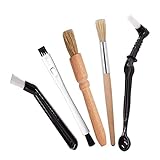
Overview: The DXary 5-piece set offers a straightforward, budget-conscious approach to coffee equipment cleaning. With three nylon brushes in varying sizes and two wood-handled brushes, this kit covers basic espresso machine and grinder maintenance without specialized features. It’s a no-frills solution for casual coffee drinkers.
What Makes It Stand Out: The size variety within both nylon and wood categories is the main draw—users can select the perfect brush for each task without compromise. The honest disclosure that “a small amount of bristle shedding is normal” sets realistic expectations. This set embraces simplicity over engineering complexity, making it accessible to beginners.
Value for Money: Likely the most affordable option in this comparison, offering five functional brushes at a entry-level price. While lacking premium features like water deflectors or blind filters, the core cleaning capability remains solid. For those prioritizing budget over bells and whistles, this delivers essential functionality.
Strengths and Weaknesses: Strengths include multiple sizes, simple design, multi-purpose utility (even for baking/tea sets), and honest marketing. The wood brushes provide gentle grinder cleaning. Weaknesses include no specialized steam wand tool, no safety features for hot water, and the acknowledged bristle shedding issue. The nylon brushes may be too soft for heavy buildup, and durability is questionable long-term.
Bottom Line: A decent starter set for occasional coffee drinkers or those on tight budgets. The size variety is useful, but serious enthusiasts will quickly outgrow its basic capabilities and want more specialized tools.
6. KYONANO Barista Micro Cleaning Towels 4 Pack - Perfect Coffee & Espresso Machine Cleaning - Steam Wand Towels (12’‘x12’’)

Overview: The KYONANO Barista Micro Cleaning Towels deliver a specialized solution for coffee enthusiasts who demand dedicated tools for their espresso setup. This four-pack of 12"x12" microfiber towels is purposefully sized for barista tasks, particularly steam wand maintenance. Constructed from absorbent, soft microfiber, these cloths protect your equipment while effectively removing milk residue and coffee stains without leaving lint or scratches. The material strikes an ideal balance between gentle touch and powerful cleaning action.
What Makes It Stand Out: These towels distinguish themselves through barista-focused design. The 30x30cm dimensions fit perfectly in hand for precise steam wand wiping, while the microfiber composition grabs milk proteins and coffee oils that cotton towels miss. Their versatility extends beyond espresso machines to countertops, portafilters, tampers, and even kitchenware, making them a multi-functional addition to any coffee station. The premium construction ensures durability through countless wash cycles.
Value for Money: Priced competitively for specialty microfiber towels, these represent solid value for dedicated coffee lovers. While generic cloths cost less, the barista-specific sizing and premium material quality justify the modest premium. They outlast cheaper alternatives and protect expensive espresso equipment, making them a worthwhile investment for daily users. The four-pack provides adequate rotation for consistent cleaning.
Strengths and Weaknesses: Strengths include perfect sizing for espresso work, highly absorbent microfiber, lint-free performance, and impressive versatility. The material is durable enough for repeated washing and maintains effectiveness. Weaknesses are minimal: the 4-pack quantity may be insufficient for heavy users wanting fresh cloths throughout the day, and the product description confusingly mentions a mat that isn’t included, which could mislead buyers.
Bottom Line: For home baristas and office coffee stations, these KYONANO towels deliver targeted performance that generic cloths cannot match. They’re an essential, cost-effective tool for maintaining equipment hygiene and ensuring your coffee always tastes its best.
7. Coffee Machine Cleaning Brush - 15 PCS Straw Brush,Long Handle Bottle Brush, Flexible Scrub Brush for Water Bottles, Glasswares, Mugs,Coffee Pots, Cups,Water Bottles,Bent Pipe

Overview: This comprehensive 15-piece cleaning kit provides an extensive arsenal of brushes for tackling every nook and cranny of coffee equipment and beyond. The set includes three plastic nylon brushes, two wooden coffee brushes with pig bristles, and ten flexible stainless steel long-handled brushes. Designed for maximum versatility, it addresses cleaning needs from espresso machine components to water bottles, straws, and glassware, making it a whole-home solution for hard-to-reach areas.
What Makes It Stand Out: The sheer variety and specialized designs make this kit exceptional. The elbow-shaped nylon brushes target grinder burrs and tight spaces, while the bendable stainless steel brushes reach deep into pipes, straws, and spouts to remove mineral deposits. The wooden brushes offer a traditional feel for delicate surfaces. This isn’t just a coffee tool—it’s a complete cleaning system for kitchens and beyond, allowing you to address curved areas that other brushes cannot access.
Value for Money: With 15 pieces at a budget-friendly price point, this kit offers exceptional value. Purchasing these brushes individually would cost significantly more. The multi-purpose nature extends utility far beyond coffee gear, making it economical for households needing to clean bottles, tea sets, and intricate items. It’s a one-time purchase that solves dozens of cleaning challenges, delivering professional-grade tools at a fraction of the cost.
Strengths and Weaknesses: Strengths include incredible versatility, ergonomic elbow design for grinders, flexible steel brushes for pipes, and easy-to-clean materials. The variety ensures you always have the right tool for any job. Weaknesses: the large quantity might overwhelm casual users, bristle shedding is noted as “normal” which could concern some, and the stainless steel brushes may be too abrasive for delicate components if used improperly, requiring careful technique.
Bottom Line: This 15-piece kit is a powerhouse for serious coffee enthusiasts and clean freaks alike. If you regularly deep-clean equipment and appreciate having a specialized tool for every task, this budget-friendly set delivers unmatched versatility and value that justifies the modest investment.
8. Espresso Brush Machine Cleaning Brush - CAFEMASY 5pcs Coffee Machine Cleaning Brush Pack Barista Tools for Cleaning Espresso Machine Group Head Steam Wand Milk Frother Drip Tray Coffee Mug

Overview: The CAFEMASY 5-piece espresso brush set provides targeted cleaning tools specifically designed for espresso machine maintenance. This pack includes five sturdy nylon-bristle brushes with plastic handles plus a bonus portafilter basket remover tool. The brushes feature stiff, thick bristles that effectively scrub group heads, steam wands, milk frothers, drip trays, and coffee mugs without damaging surfaces. The purposeful design focuses on daily espresso cleaning needs.
What Makes It Stand Out: The integrated hanging design sets this apart—a leather belt strings all five brushes together, allowing you to hang them on your coffee bar wall, keeping tools organized and preventing loss. The dedicated portafilter basket remover is a thoughtful addition that solves a common frustration. The stiff nylon bristles are specifically calibrated for espresso machine components, balancing cleaning power with surface protection better than generic alternatives.
Value for Money: This kit offers excellent specialization at a moderate price. While generic brushes cost less, the espresso-specific design, convenient hanging system, and included basket remover add significant value. For daily espresso users, having dedicated, easily accessible tools protects your machine investment and streamlines your cleaning routine, justifying every penny. It’s a focused solution that eliminates tool hunting.
Strengths and Weaknesses: Strengths include the space-saving hanging design, perfectly stiff bristles for espresso parts, the bonus basket remover, and durable construction. The set covers all major cleaning points on an espresso machine comprehensively. Weaknesses: limited to five similar brushes without the variety of other kits, no specialized tools for grinders or pipes, and the leather belt may wear over time in humid kitchen environments, potentially requiring replacement.
Bottom Line: For espresso machine owners wanting a simple, organized cleaning solution, the CAFEMASY set hits the sweet spot. It’s a practical, well-designed kit that keeps essential tools within reach and your machine in top condition without unnecessary complexity or expense.
9. Pallo Coffee Tool, Black

Overview: The Pallo Coffee Tool is a professional-grade, single-piece cleaning instrument engineered for espresso machine group head maintenance. At 9 inches long with unique water-deflecting fins, this tool keeps hands cool and dry during backflushing. It combines a dosing spoon for cleaning powder with sturdy bristles to scrub the group head, plus a pointed end for unclogging steam wand vents—all in one ergonomic design. It’s built for daily commercial or home use.
What Makes It Stand Out: The water-deflecting fins are genuinely innovative, solving the common problem of hot water spray during backflushing. This safety feature, combined with the integrated dosing spoon and steam wand unclogger, creates a three-in-one tool that replaces multiple gadgets. The availability of replacement bristles extends its lifespan indefinitely, making it sustainable and cost-effective. No other tool addresses user comfort and safety during backflushing so directly.
Value for Money: While pricier than basic brushes, the Pallo Tool’s multifunctionality and durability justify the cost. Replacement bristles are affordable, so you’re investing in a handle that lasts years. For anyone backflushing regularly, the time savings and hand protection alone warrant the premium. It’s a professional tool that pays for itself through longevity and performance, eliminating the need for separate dosing scoops and steam wand tools.
Strengths and Weaknesses: Strengths include innovative splash-guard fins, integrated dosing spoon, steam wand unclogger, durable construction, and replaceable bristles. It’s ergonomic and purpose-built for daily espresso maintenance. Weaknesses: it’s a single tool, so you’ll still need other brushes for steam wands and drip trays; the black color may hide wear, and the price point may deter casual users who don’t backflush frequently, making it overkill for light use.
Bottom Line: The Pallo Coffee Tool is essential for serious espresso enthusiasts who backflush regularly. Its smart design protects your hands and streamlines cleaning, making it worth every dollar for those who demand professional-level maintenance and appreciate innovative engineering in their coffee tools.
10. Takavu Coffee Grinder Cleaning Kit – 5pcs Boar Bristle Grinder Brush, Detail Scrub Brush, Steam Wand Brushes & Microfiber Towel for Espresso Machine Coffee Maker Pour Over

Overview: The Takavu 5-piece cleaning kit offers a comprehensive approach to coffee gear maintenance, addressing both grinders and espresso machines. The set includes two natural boar bristle brushes (one for dry grinder cleaning, one for wet scrubbing), two flexible steam wand brushes in different diameters, and a thick microfiber towel. This thoughtful combination covers the entire coffee preparation workflow from bean to cup, ensuring no component is neglected.
What Makes It Stand Out: The dual boar bristle brushes demonstrate deep understanding of coffee maintenance—dry brushing for grinder grounds, wet scrubbing for espresso parts. The two differently-sized steam wand brushes tackle various tube diameters, while the microfiber towel provides a lint-free finish. The natural boar bristles are gentle yet effective, and the smooth wooden handles offer comfortable precision control. This kit acknowledges that grinders need different care than espresso machines.
Value for Money: This kit delivers exceptional value by combining grinder and espresso cleaning tools typically sold separately. The quality materials—natural boar bristles, wood handles, and thick microfiber—suggest durability. For users owning both a grinder and espresso machine, this eliminates multiple purchases, saving money while ensuring proper maintenance for both pieces of equipment. It’s a complete system that removes guesswork from cleaning routines.
Strengths and Weaknesses: Strengths include comprehensive coverage of grinder and espresso needs, natural boar bristles that won’t scratch, dual steam wand brush sizes, high-quality microfiber towel, and ergonomic wooden handles. The kit eliminates guesswork and buying individual parts. Weaknesses: limited to five pieces, no group head-specific brush, boar bristles require more care than nylon, and the set may be overkill for drip coffee-only users who don’t need steam wand tools.
Bottom Line: The Takavu kit is ideal for home baristas who own both grinders and espresso machines. Its comprehensive, high-quality tools ensure every component stays clean, delivering fresher-tasting coffee and extended equipment life through proper, targeted maintenance.
Why Group Head Cleaning Matters
Your espresso machine’s group head is where magic happens—and where problems begin. Understanding the stakes helps justify the small but crucial investment in proper cleaning tools.
Impact on Coffee Flavor
Coffee oils that accumulate in the group head become rancid within hours, not days. These oxidized oils impart sour, bitter notes that mask the delicate flavor notes you paid premium prices for. Additionally, old coffee grounds trapped in crevices create uneven water distribution, leading to channeling and under-extraction. The result? A cup that tastes nothing like what your local barista achieves with the same beans. Regular cleaning ensures every shot reflects the roaster’s intended flavor profile.
Machine Longevity
That sticky residue isn’t just gross—it’s actively damaging your equipment. Coffee oils congeal into a tar-like substance that clogs solenoid valves, wears down gaskets, and restricts water flow. Mineral scale compounds these issues by creating abrasive deposits that degrade metal surfaces. Machines that receive regular group head maintenance typically last 3-5 years longer than neglected units, saving you hundreds in repair or replacement costs.
Health and Hygiene Considerations
Warm, moist environments with organic material are breeding grounds for bacteria and mold. Group heads that aren’t cleaned properly can harbor colonies that affect not only taste but potentially your health. While the high brewing temperature kills most pathogens, biofilms can protect bacteria and contribute to off-flavors. A hygienic brewing environment is non-negotiable for both home enthusiasts and commercial operations.
Types of Group Head Cleaning Tools
The right tool for the job depends on the type of residue you’re targeting. Each category serves a specific purpose in your maintenance arsenal.
Cleaning Brushes
Group head brushes feature stiff, heat-resistant bristles designed to scrub the metal screen and surrounding gasket area without damaging sensitive components. Look for models with angled heads that reach into tight spaces and water-deflecting shields to protect your hands from hot splashes. The best designs include a flat scraper edge for dislodging stubborn grounds packed into corners.
Blind Filters and Backflush Discs
These solid or perforated discs fit into your portafilter basket slot and enable the backflushing process. Solid blanks create maximum pressure for detergent cleaning cycles, while perforated versions allow water flow for rinse cycles. Quality blanks feature precise machining to ensure proper seal and pressure buildup without damaging your machine’s pump. They’re typically made from stainless steel or food-grade plastic rated for high temperatures.
Cleaning Tablets and Powders
Formulated specifically for coffee equipment, these alkaline detergents break down oils at the molecular level. The best formulations dissolve completely in hot water, leave no residue, and are odorless. They come in pre-measured tablets for convenience or loose powder for custom dosing. Food-grade certification ensures they won’t contaminate your coffee or harm machine components when used correctly.
Group Head Cleaning Needles
These precision tools clear clogged holes in your dispersion screen and filter baskets. Professional-grade needles feature multiple diameter options to match different screen patterns without enlarging the holes. They often come with ergonomic handles and protective caps. Some advanced models include miniature brushes on the opposite end for dual-function cleaning.
Steam Wand Cleaning Tools
While not strictly group head tools, steam wands contribute to overall machine hygiene. Specialized brushes with long, flexible shafts clean inside the wand tip, while clip-on cleaning clips maintain purging routines. These tools prevent milk residue from contaminating your workspace and affecting milk-based drink quality.
Microfiber Cloths and Towels
Low-lint microfiber cloths are essential for wiping down group heads, portafilters, and surrounding surfaces after cleaning. Premium options feature high GSM ratings for absorbency and are color-coded to prevent cross-contamination. Some are impregnated with silver ions for antimicrobial properties, though regular laundering is still required.
Crevice Cleaning Tools
These narrow implements reach where brushes can’t—between the group head gasket and dispersion screen, around screw heads, and into drain holes. They come in various materials: nylon for gentle cleaning, brass for tougher deposits, and silicone for flexible reach. The best sets include multiple shapes: hooks, loops, and straight picks.
Water Quality Testing Tools
Hard water accelerates scale buildup that cleaning can’t remove. TDS meters and hardness test strips help you understand your water composition and adjust filtration accordingly. While not a cleaning tool per se, they’re diagnostic devices that determine how often you need to clean and descale.
Key Features to Consider When Choosing Cleaning Tools
Not all cleaning tools are created equal. These factors separate effective, safe tools from those that might damage your machine or waste your time.
Material Quality and Durability
Tools that contact hot metal and chemical cleaners must withstand extreme conditions. Bristles should be heat-resistant nylon or natural fiber that won’t melt or shed. Metal components need to be stainless steel or brass to prevent rust and corrosion. Cheap plastic tools can warp or break, leaving fragments in your machine. Look for solid construction that feels substantial in hand rather than flimsy alternatives.
Compatibility with Your Machine
Commercial machines with 58mm group heads require different tools than home machines with 54mm or 51mm groups. Verify brush head sizes, blind filter diameters, and needle gauges match your specific model. Some manufacturers use proprietary gasket designs that need specialized tools. When in doubt, measure your portafilter basket diameter and group head depth before purchasing.
Ergonomics and Ease of Use
You’ll perform cleaning tasks frequently, so comfort matters. Brushes with non-slip grips and angled heads reduce hand fatigue. Tools that store neatly on your machine or in a dedicated caddy encourage consistent use. Quick-connect features on spray nozzles and magnetic tool holders streamline the process. If a tool is awkward to use, you’ll avoid using it.
Chemical Composition and Safety
Cleaning detergents must be food-safe and free from phosphates that can damage waterways. Check for NSF certification or similar food-grade ratings. Avoid chlorine-based products that corrode stainless steel. The best formulations are biodegradable and odorless. Always verify the product is specifically designed for espresso machines—general kitchen cleaners often contain harmful chemicals.
Environmental Impact
Consider reusable tools over disposable alternatives. Refillable detergent bottles reduce plastic waste. Bamboo-handled brushes offer sustainability without sacrificing durability. Look for concentrated cleaning powders that minimize packaging and shipping weight. Your coffee routine should align with environmental values.
How to Use Group Head Cleaning Tools Properly
Owning the right tools is only half the battle. Proper technique ensures effective cleaning without damaging expensive equipment.
Daily Cleaning Routine
After your last shot of the day, remove the portafilter and run a short burst of water to flush loose grounds. Use your group head brush with a back-and-forth motion to scrub the screen and gasket area. Wipe the portafilter basket and group head surface with a damp microfiber cloth. This 30-second routine prevents oil buildup from becoming problematic.
Weekly Deep Cleaning Process
Insert a blind filter with cleaning detergent into your portafilter. Lock it in and run the pump for 10 seconds, then stop and let pressure release. Repeat this cycle 5 times. Remove the portafilter, rinse with hot water, and repeat the backflush cycle without detergent 3-5 times. Use your crevice tools to clean around the gasket, then scrub with your brush. This 5-minute weekly process dissolves accumulated oils.
Monthly Maintenance Tasks
Once a month, remove the dispersion screen and screw for thorough cleaning. Soak these parts in a solution of hot water and espresso machine detergent for 20 minutes. Use your needle tool to clear each hole in the screen. Inspect the gasket for cracks or hardness—this is when you’d replace it if needed. Clean the drain tray and surrounding area with your microfiber cloths.
Common Mistakes to Avoid
Never use steel wool or abrasive scouring pads on brass or stainless steel components—they create scratches that trap more residue. Don’t over-tighten the portafilter during backflushing, as this can damage the gasket. Avoid using too much detergent, which leaves residue and wastes money. Never skip the rinse cycle after chemical cleaning. Don’t wait until you see buildup—by then, damage may already be occurring.
Building a Complete Cleaning Kit
Assemble a toolkit that matches your commitment level and budget. A well-curated set ensures you have what you need without clutter.
Essential Tools for Beginners
Start with a quality group head brush, one blind filter matching your machine, and a container of cleaning tablets. Add two microfiber cloths—one for cleaning, one for drying. This basic kit handles 90% of maintenance needs for under $50. Focus on mastering the daily and weekly routines before expanding.
Advanced Tools for Enthusiasts
Upgrade to a precision needle set, multiple blind filters (solid and perforated), and a water testing kit. Add specialized crevice tools and a steam wand brush. Consider a group head inspection mirror to see hidden buildup. These tools enable professional-level maintenance and early problem detection.
Budget-Friendly vs Premium Options
Budget tools often compromise on bristle quality or handle durability but can be effective if replaced regularly. Premium tools offer better ergonomics, longer lifespans, and warranties. The sweet spot is mid-range tools with solid construction but without luxury branding. A $15 brush that lasts 3 years is cheaper than a $5 brush replaced quarterly.
Storage and Organization Solutions
A dedicated caddy or drawer organizer keeps tools accessible and clean. Magnetic strips mounted near your machine hold metal tools securely. Airtight containers prevent detergent from absorbing moisture. Label everything clearly if you have multiple machines with different tool sizes. Good organization transforms cleaning from a chore into a seamless routine.
Troubleshooting Common Cleaning Challenges
Even with the right tools, you may encounter stubborn situations. Here’s how to address them without calling a technician.
Dealing with Stubborn Residue
For tar-like buildup, increase detergent concentration slightly and extend soak times. Use your needle tool to physically break up the deposit before chemical treatment. In extreme cases, remove the dispersion screen and boil it in a detergent solution for 10 minutes. Never use metal scrapers on the group head itself—this damages the sealing surface.
Addressing Mineral Buildup
Cleaning tools can’t remove scale. If you have white, chalky deposits, you need a descaling solution specifically for espresso machines. After descaling, use your brushes to remove loosened particles. Prevent future buildup by installing a water softener or using distilled water with mineral additives. Test water hardness monthly to stay ahead of the problem.
When to Replace Your Tools
Replace brushes when bristles become bent, melted, or begin shedding. Blind filters need replacement if they no longer create a proper seal or show cracks. Microfiber cloths lose effectiveness after 50-100 washes—replace them when they stop absorbing water. Needles dull over time and should be replaced annually with heavy use. Worn tools not only work poorly but can scratch surfaces.
Frequently Asked Questions
How often should I clean my espresso machine’s group head?
Daily brushing and wiping are essential. Perform a chemical backflush with detergent at least once weekly for home machines, or daily for commercial use. Deep clean the dispersion screen monthly. The exact frequency depends on usage volume and water quality.
Can I use vinegar instead of commercial espresso machine cleaner?
No. Vinegar is acidic and can damage metal components, rubber gaskets, and internal seals. It also leaves a strong odor that affects coffee flavor. Always use cleaners specifically formulated for espresso machines, which are alkaline and food-safe.
What’s the difference between backflushing and regular cleaning?
Backflushing uses a blind filter to force water and detergent back through the group head, cleaning internal passages and the three-way valve. Regular cleaning only addresses visible surfaces. Both are necessary—backflushing handles internal buildup while brushing manages external residue.
Why does my group head still look dirty after cleaning?
Tannins in coffee can permanently stain metal, which is cosmetic and harmless. If you see black, oily residue, your cleaning technique or detergent strength may be insufficient. Try a longer soak time or more aggressive brushing. Stains don’t affect flavor, but residue does.
Are expensive cleaning tools really worth the price?
Mid-range tools often provide the best value. Premium tools offer durability for heavy commercial use, while budget options may need frequent replacement. For home use, a quality $15-20 brush and $10 blind filter will last years and perform excellently.
Can I clean my group head while it’s hot?
Yes, and you should. Hot water dissolves oils more effectively. However, use caution to avoid burns. Many brushes include splash guards. Work quickly and wear heat-resistant gloves if sensitive. Never pour cold water on a hot group head—thermal shock can crack metal components.
What happens if I never clean my group head?
Expect increasingly bitter, sour coffee within weeks. Within months, you’ll notice reduced water flow and pressure issues. After 6-12 months of neglect, solenoid valves clog, gaskets fail, and you’ll face a $200+ repair bill. The machine may become unusable. Prevention costs pennies compared to repairs.
Do I need different tools for different espresso machine brands?
Generally, no. Most commercial and prosumer machines use standard 58mm group heads. However, some brands use proprietary sizes (51mm, 54mm) or unique gasket designs. Always verify your machine’s portafilter diameter and group head design before purchasing tools.
How do I know if my cleaning detergent is working?
The water during your rinse cycle should run clear. If it remains cloudy or has an oily sheen, increase detergent amount or cleaning time. Effective cleaning produces a noticeable improvement in shot taste within 1-2 days. Keep a log of cleaning dates and coffee quality to track performance.
Can I use a dishwasher to clean portafilters and baskets?
Avoid dishwashers. The harsh detergents and high heat can discolor metal and degrade handles. Hand washing with hot water and espresso machine detergent is safer and more effective. Dishwashers also don’t remove coffee oils as thoroughly as manual cleaning with proper tools.
See Also
- 10 Essential Espresso Machine Cleaning Accessories for Quick Daily Wipe-Downs
- 10 Best Portable Espresso Machines for Outdoor Adventures in 2026
- How to Solve Weak Coffee with the 10 Best Espresso Machines with Pod Function
- 10 Essential Superautomatic Espresso Machines with Grinder Every Home Needs
- The 10 Best Espresso Machine Descalers for Consistent Performance in 2026