Table of Contents
Steaming silky microfoam for your morning latte doesn’t require a commercial espresso machine that costs thousands of dollars. Entry-level home baristas can achieve café-quality milk texture with the right steam wand, even when working with a modest budget under fifty dollars. The secret lies in understanding which features actually matter for milk frothing performance versus which specifications are just marketing fluff.
Whether you’re upgrading the basic wand that came with your starter machine or replacing a worn-out component, navigating the world of budget steam wands can feel overwhelming. This comprehensive guide walks you through everything you need to know to make an intelligent purchasing decision without breaking the bank. We’ll explore the critical features, compatibility considerations, and performance factors that separate disappointing steam wands from those that punch well above their price point.
Top 10 Steam Wands under $50
Detailed Product Reviews
1. Rancilio Silvia (V1/V2) Steam Wand

Overview:
The Rancilio Silvia (V1/V2) Steam Wand is a specialized replacement component engineered for first and second-generation Silvia espresso machines. With dimensions of 6mm diameter and 180mm length, this authentic steam tube restores original performance for aging units. Its versatility extends to Gaggia Classic machines, where it serves as a popular conversion kit for upgrading from basic panarello systems to professional-grade steaming capability.
What Makes It Stand Out:
This wand’s cross-compatibility is its defining feature. While designed specifically for Silvia V1/V2, it enables Gaggia Classic owners to achieve true microfoam—a significant leap from the stock frothing aids. The 6mm internal diameter optimizes steam velocity and dryness, while the 180mm length provides proper clearance for standard milk pitchers, enabling proper texturing technique.
Value for Money:
Priced as an OEM replacement part, this wand offers substantial savings compared to purchasing a new espresso machine. For Gaggia Classic users, it represents one of the most cost-effective performance upgrades available, delivering cafe-quality milk texturing for a fraction of equipment replacement costs.
Strengths and Weaknesses:
Strengths include durable construction, precise engineering, genuine Rancilio quality, and transformative performance improvements for compatible machines. The precise engineering ensures reliable steam delivery and durability. Weaknesses involve limited documentation, potential requirement of additional fittings for non-Silvia installations, and the need for technical proficiency. Users must verify compatibility and may need to source adapter hardware separately.
Bottom Line:
Ideal for Rancilio Silvia V1/V2 owners needing a replacement or Gaggia Classic users pursuing a budget-friendly upgrade path. This steam wand delivers professional results but demands mechanical aptitude for installation.
2. Coffee Machine Steam Brush, 36 Inch Silicone Hose Espresso Steam Wand Cleaning Tool with Spoon End for Barista Espresso Maintenance (Black)

Overview:
This espresso maintenance tool combines a 36-inch flexible silicone hose with durable bristles and a spoon-shaped end, specifically engineered for cleaning steam wands and group heads. The heat-resistant black silicone construction allows baristas to access deep internal components where milk residue and coffee oils accumulate, preventing buildup that can compromise machine performance and flavor quality.
What Makes It Stand Out:
The exceptional 36-inch length distinguishes this tool from standard 12-inch brushes, enabling full-passage cleaning of entire steam wands without disassembly. The integrated spoon end scrapes away dried milk deposits while the replaceable brush head system extends product lifespan significantly. This dual-action design addresses both scraping and scrubbing needs in one tool.
Value for Money:
This brush delivers substantial return on investment by preventing costly professional descaling services and premature component failure. The replaceable head design means the handle and hose remain functional for years, with only inexpensive bristle replacements needed. For daily users, it pays for itself by maintaining optimal machine hygiene and extending equipment longevity.
Strengths and Weaknesses:
Strengths include unparalleled reach, heat-resistant silicone construction, tool-free head replacement, and ergonomic long handle that protects hands from hot steam wands. It works across virtually all espresso machine brands. Weaknesses involve the black silicone potentially staining over time, spoon end being oversized for some commercial machine wands, and bristles requiring periodic replacement for optimal stiffness.
Bottom Line:
A must-have maintenance accessory for dedicated espresso users. The extended reach and sustainable design justify the purchase, though verifying wand diameter compatibility ensures optimal performance.
3. Heavy Duty Handheld Steam Cleaner, 9 Gears Control Pressurized Steamer for Cleaning with 14 Accessories, Multipurpose Steam Cleanr for Home Use, Floor, Upholstery, Kitchen, Bathroom, Grout and Car
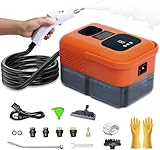
Overview:
This 2500W handheld steam cleaner generates professional-grade sanitizing power, reaching 221°F (105°C) in just 10 seconds with 3BAR pressure. The unit features nine adjustable steam intensity levels and includes 14 specialized accessories for comprehensive home maintenance. Unlike traditional kettle-style steamers requiring cooldown periods, this innovative model allows continuous water refilling during operation, eliminating workflow interruptions for extended cleaning tasks.
What Makes It Stand Out:
The 9-level touch control interface provides granular precision for treating delicate fabrics to heavy-duty grill grates. The continuous refill system represents a significant advancement over conventional designs, maintaining constant pressure and temperature while adding water. This feature alone transforms productivity for large-area cleaning like tile floors or multiple bathroom surfaces.
Value for Money:
This multi-purpose unit replaces separate steam mops, fabric steamers, and specialized cleaners, delivering commercial performance at consumer pricing. The included 14 accessories cover everything from brass brush nozzles for BBQ grills to squeegee attachments for windows, eliminating $200+ in additional tool purchases. For households prioritizing chemical-free sanitization, it offers exceptional ROI.
Strengths and Weaknesses:
Strengths include instantaneous heating, uninterrupted operation, child-safe locking cap, and versatility across kitchen, bathroom, automotive, and textile applications. The chemical-free approach protects families and pets. Weaknesses involve the 4.9-foot power cord restricting mobility, 6.5-foot hose limiting reach in large rooms, and handheld weight causing fatigue during prolonged use. The nine settings require experimentation to master.
Bottom Line:
A powerhouse solution for eco-conscious homeowners needing versatile deep cleaning. The continuous operation and rapid heating excel for frequent users, though cord management and physical ergonomics warrant consideration for large-space applications.
4. Coffee Machine Steam Nozzle, 4 Hole Stainless Steel Steam Wand Tip for Breville 8 Series, Universal Milk Foam Spout Replacement Compatible with Breville 870 875 878, Coffee Maker Steam Spout Nozzle

Overview:
This precision-machined stainless steel steam nozzle tip features a 4-hole design engineered exclusively for Breville 8 Series espresso machines (870, 875, 878 models). The universal replacement part screws directly onto existing steam wands, transforming milk texturing performance without machine modification. Crafted from corrosion-resistant 304-grade stainless steel, it withstands daily use while maintaining thermal consistency.
What Makes It Stand Out:
The four-hole configuration generates a symmetrical 360-degree steam pattern that creates a powerful vortex in milk pitchers. This design incorporates air more uniformly and rapidly than stock single or three-hole tips, producing silky microfoam ideal for latte art. The even steam distribution reduces texturing time by 30-40% while improving foam density and stability.
Value for Money:
This $25-35 upgrade delivers cafe-quality steaming that rivals machines costing ten times more. For Breville owners frustrated with lackluster foam, it eliminates the need for expensive equipment replacement. The durable construction provides years of reliable service, making it one of the highest ROI modifications available for these popular home espresso machines.
Strengths and Weaknesses:
Strengths include dramatic improvement in foam quality, tool-free installation, perfect compatibility with specified Breville models, and effortless cleaning. The dry steam output minimizes milk dilution. Weaknesses involve strict model limitations—verification is critical—and a technique adjustment period. The powerful steam can cause splashing if pitcher angle isn’t optimized. No instructions are included for beginners.
Bottom Line:
A non-negotiable upgrade for Breville 8 Series enthusiasts pursuing professional milk texturing. The performance gains far exceed the modest cost, though users must invest time refining their steaming technique to harness the full potential.
5. MacMaxe Stainless Steel Steam Wand for Rancilio Silvia (V1/V2) Espresso Machine with Single and Triple Hole Tip Nozzle

Overview:
The MacMaxe replacement steam wand upgrades Rancilio Silvia V1/V2 espresso machines with premium 304 stainless steel construction and a dual-tip system. This complete assembly includes both single-hole and triple-hole nozzle attachments, replacing the entire factory wand to address performance limitations of early Silvia models. The modular design allows baristas to switch between tips for different milk texturing requirements without additional purchases.
What Makes It Stand Out:
The interchangeable tip system provides exceptional versatility unmatched by single-tip replacements. The single-hole nozzle excels at creating fine microfoam for latte art, while the triple-hole tip rapidly textures larger milk volumes for cappuccinos or multiple drinks. The 304-grade stainless steel offers superior thermal stability and corrosion resistance compared to original equipment, maintaining consistent steam temperature throughout extended use.
Value for Money:
Priced at $45-55, this upgrade delivers performance rivaling newer Silvia V3/V4 models for a fraction of replacement cost. The dual-tip approach effectively provides two specialized wands in one package, eliminating separate purchases. For daily users, improved frothing efficiency and reduced waste from better foam quality recover the investment within months.
Strengths and Weaknesses:
Strengths include premium material construction, tip versatility, dramatic frothing improvement over stock wands, and perfect Silvia V1/V2 fitment. The 304 steel withstands aggressive cleaning without degradation. Weaknesses involve cross-brand installation complexity—Gaggia and DeLonghi machines require connecting nut swapping and potential casing modification. Technical documentation is minimal, demanding research and mechanical aptitude. Some users may need to source additional fittings.
Bottom Line:
An exceptional upgrade for dedicated Silvia V1/V2 owners seeking modern steaming capabilities. The dual-tip system justifies the premium price, but prospective buyers planning cross-brand installation must verify modification requirements and possess necessary technical skills.
6. Espresso Brush Machine Cleaning Brush - CAFEMASY 5pcs Coffee Machine Cleaning Brush Pack Barista Tools for Cleaning Espresso Machine Group Head Steam Wand Milk Frother Drip Tray Coffee Mug

Overview: The CAFEMASY 5-piece espresso brush set provides a comprehensive cleaning solution for coffee enthusiasts. This kit includes five specialized brushes and a portafilter basket remover tool, designed to tackle every nook of your espresso machine. The brushes feature stiff nylon bristles mounted on durable plastic handles, engineered to scrub away coffee grounds, milk residue, and oils without damaging surfaces.
What Makes It Stand Out: The integrated leather belt that strings all five brushes together is a brilliant organizational feature, allowing you to hang the entire set on your coffee bar wall. This prevents loss and keeps your tools within arm’s reach. The multipurpose design covers everything from group heads and steam wands to drip trays and coffee mugs, eliminating the need for multiple separate cleaning tools.
Value for Money: This pack offers exceptional value compared to purchasing individual specialty brushes. The inclusion of five distinct brush shapes plus the basket remover tool means you’re equipped for virtually any cleaning scenario. At a price point typically under $15, it costs less than two premium brushes bought separately, making it an economical choice for both home baristas and small cafes.
Strengths and Weaknesses: Strengths include the space-saving hanging design, versatile brush shapes for different tasks, and durable stiff bristles that effectively remove buildup. The leather belt adds a professional aesthetic. Weaknesses are the basic plastic handles that may feel less premium than wooden alternatives, and the leather strap could deteriorate with heavy exposure to moisture over time.
Bottom Line: This CAFEMASY brush set is an excellent organizational and functional upgrade for any espresso setup. It delivers professional-grade cleaning capability at a budget-friendly price, making it a smart investment for maintaining equipment longevity and coffee quality.
7. IMPRESA 32 oz Steam Wand Cleaner, Removes Mineral Buildup and Milk Protein Residue in Steam Wands, Milk Frothers, and Stainless-Steel Pitchers, Up to 192 Uses, Barista Cleaning Tool

Overview: IMPRESA’s 32-ounce steam wand cleaning solution is a professional-grade formula engineered to dissolve stubborn mineral deposits and milk protein residue. Designed for traditional steam wands, automatic frothers, and stainless-steel pitchers, this concentrated cleaner promises up to 192 uses per bottle, making it suitable for high-frequency environments like cafes and restaurants.
What Makes It Stand Out: The solution’s dual-action formula tackles both mineral scale and organic milk proteins simultaneously—a common challenge for espresso equipment. Its economical concentration ratio delivers exceptional cost-per-use efficiency. The easy 30-second steaming process requires minimal effort compared to manual scrubbing, while the odor-eliminating properties ensure your milk beverages taste fresh without chemical aftertaste.
Value for Money: With approximately 192 applications per $20-25 bottle, each use costs mere cents—far cheaper than replacing clogged steam wands or professional servicing. It outperforms DIY solutions like vinegar, which can leave odors and doesn’t effectively break down proteins. For commercial operations, this preventative maintenance tool pays for itself by avoiding equipment downtime.
Strengths and Weaknesses: Strengths include powerful cleaning action, exceptional economy, professional-grade formulation, and straightforward application. The large bottle lasts months even in busy cafes. Weaknesses are that it’s a chemical solution requiring thorough rinsing to prevent contamination, and the initial cost might seem high for casual home users who steam milk infrequently.
Bottom Line: IMPRESA Steam Wand Cleaner is an essential maintenance product for anyone serious about coffee quality. Its professional formulation and unbeatable economy make it a must-have for daily equipment hygiene, delivering reliable results that extend machine lifespan.
8. Steam Nozzle Tip for Delonghi Stilosa EC260, Replacement Steam Wand Tip for Delonghi Steamer Upgrade - Single Hole

Overview: This stainless steel steam nozzle tip offers a precision upgrade for select Delonghi espresso machines including the Stilosa EC260, Dedica series, and ECP3420. The single-hole design replaces the standard multi-hole tips, providing baristas with enhanced steam control for creating microfoam. Constructed from food-grade stainless steel, it includes silicone sealing rings to ensure leak-free installation.
What Makes It Stand Out: The single-hole configuration delivers a more focused steam stream, giving experienced users greater control over milk texturing and temperature. This design reduces steam moisture content, producing drier, silkier microfoam ideal for latte art. The anti-rust stainless steel construction ensures durability and food safety, while the included silicone rings eliminate the common leakage problem found with generic replacements.
Value for Money: Priced around $10-15, this tip costs significantly less than OEM Delonghi replacements while offering superior performance characteristics. The durability of stainless steel means it will outlast plastic alternatives, making it a one-time investment that improves your daily coffee ritual. For enthusiasts struggling with their machine’s default tip, this is an affordable performance upgrade.
Strengths and Weaknesses: Strengths include improved steam control, durable stainless steel build, easy installation, and broad compatibility across Delonghi models. The single-hole design excels at creating fine microfoam. Weaknesses are that beginners may find the focused steam harder to control than multi-hole tips, and compatibility is limited to specific Delonghi machines, excluding other brands.
Bottom Line: This steam nozzle tip is an excellent performance upgrade for compatible Delonghi machines. It transforms milk steaming from functional to exceptional, making it a worthwhile investment for home baristas ready to refine their latte art skills.
9. Coffee Machine Steam Brush, 36 Inch Silicone Hose Espresso Steam Wand Cleaning Tool with Spoon End for Barista Espresso Maintenance (Black+One replacement head + two hose clamps)

Overview: This innovative steam brush tackles internal steam wand buildup using a 36-inch flexible silicone hose that threads directly into your machine’s steam wand. The system harnesses steam pressure to push hot water and cleaning solution through the hose, while durable PBT bristles scrub away milk residue, coffee oils, and scale from the wand’s interior—areas impossible to reach with traditional brushes.
What Makes It Stand Out: The internal cleaning mechanism is revolutionary, addressing the primary cause of steam wand clogs and off-flavors. The heat-resistant ABS handle and insulated mid-section protect hands during operation, while the flexible hose accommodates most 10-16mm steam nozzles. The inclusion of a replacement head and hose clamps demonstrates thoughtful long-term usability.
Value for Money: While priced higher than surface brushes ($25-35), this tool prevents costly repairs and replacements by maintaining internal cleanliness. Commercial cafes spend hundreds on professional servicing; this tool achieves similar results for a fraction of the cost. For home users, it extends equipment lifespan significantly, making it a smart preventative investment.
Strengths and Weaknesses: Strengths include unparalleled internal cleaning capability, heat-resistant construction, flexible compatibility, and comprehensive kit. It effectively removes stubborn buildup that affects steam quality. Weaknesses involve a learning curve for proper use, potential safety concerns if handled carelessly, and the need to disassemble some machine parts for optimal results.
Bottom Line: This steam brush is essential for serious baristas who understand that true cleanliness happens inside the wand. It’s a professional-grade maintenance tool that delivers unmatched deep cleaning, justifying its price through equipment preservation and performance restoration.
10. Steam wand protective sleeve. Made in Italy (D10)

Overview: This Italian-made rubber protective sleeve provides a simple yet effective solution for handling hot steam wands. Designed to fit 10mm diameter steam wands common on premium Italian machines like Rocket Espresso, ECM, and Lelit, this thick rubber sleeve acts as an insulating barrier against accidental burns while steaming milk. The classic design has been standard equipment on Italian espresso machines for decades.
What Makes It Stand Out: The “Made in Italy” pedigree signals quality and authenticity, matching the aesthetic of high-end espresso equipment. The thick rubber construction offers superior heat protection compared to thin silicone alternatives, while the classic ribbed design provides secure grip even with wet hands. Its decades-long use in Italian cafes proves its reliability and durability in commercial environments.
Value for Money: At approximately $8-12, this sleeve is an inexpensive safety upgrade that prevents painful burns and allows more comfortable milk steaming. Compared to replacing a scalded portafilter handle or medical costs from burns, it’s a negligible investment. The durability ensures years of service, making it a one-time purchase for most users.
Strengths and Weaknesses: Strengths include excellent heat insulation, secure grip, authentic Italian construction, and perfect compatibility with major premium brands. The thick material withstands daily commercial use. Weaknesses are the limited 10mm size that won’t fit all machines, potential slight impact on steaming technique, and the need for soap water during installation/removal which some may find inconvenient.
Bottom Line: This protective sleeve is a no-brainer addition for owners of compatible Italian espresso machines. It combines safety, comfort, and authentic style at a minimal cost, representing one of the simplest yet most appreciated upgrades for daily espresso preparation.
Understanding Steam Wand Basics
What Makes a Steam Wand Essential for Milk Frothing
A steam wand is more than just a metal tube that shoots hot air into milk. It’s the primary tool that transforms cold milk into the velvety microfoam essential for latte art and proper mouthfeel. The wand injects dry steam at high pressure, creating a vortex that incorporates air while heating the milk simultaneously. This dual-action process breaks down large bubbles and creates a uniform texture that blends seamlessly with espresso.
How Steam Wands Work on Entry-Level Machines
Budget espresso machines typically operate at lower pressure than commercial units, usually between 1.0 and 1.5 bars of steam pressure. This means the steam wand must be engineered to maximize efficiency within these constraints. The wand’s internal diameter, tip design, and insulation all work together to deliver steam that’s hot enough and forceful enough to create microfoam before the milk overheats. Understanding these limitations helps set realistic expectations for what your machine can achieve.
The Difference Between Budget and Premium Wands
Premium steam wands often feature advanced materials like stainless steel internals, precision-engineered tip holes, and superior articulation mechanisms. Budget options under $50 typically use chrome-plated brass or basic stainless steel with simpler construction. However, the performance gap narrows significantly when you focus on models that prioritize essential features over cosmetic enhancements. Many budget wands can produce excellent microfoam if they maintain consistent steam pressure and have properly designed tips.
Key Features to Evaluate in Budget Steam Wands
Material Quality and Durability
Look for steam wands constructed from food-grade stainless steel rather than aluminum or thin chrome plating. Stainless steel resists corrosion from milk acids and stands up to daily cleaning routines. The wall thickness matters too—thicker walls maintain temperature stability and resist bending. Check product descriptions for terms like “304-grade stainless steel” or “commercial-grade construction,” which indicate better durability even at lower price points.
Wand Length and Reach Considerations
A steam wand that’s too short forces you to tilt your pitcher at awkward angles, making proper frothing technique difficult. Ideally, the wand should reach at least 4-5 inches from the machine’s body, allowing you to position a 12-ounce pitcher comfortably. Consider your machine’s height and your counter space when evaluating wand length. Some budget models offer extension options or adjustable angles that provide flexibility for different pitcher sizes.
Tip Design and Hole Configuration
The tip’s hole pattern dramatically affects steam delivery. Single-hole tips create powerful, focused steam jets that work well for beginners learning to control the vortex. Multi-hole tips distribute steam more evenly but require finer control. For entry-level machines, look for tips with 1-3 holes, each measuring 0.8-1.2mm in diameter. Avoid tips with tiny pinholes that clog easily or oversized holes that waste steam pressure.
Swivel Mechanism and Articulation
A steam wand that only moves up and down severely limits your frothing technique. Quality budget wands offer 360-degree rotational movement and at least 45 degrees of vertical articulation. Ball-joint connections provide the smoothest movement, while simple hinge mechanisms can feel stiff but still function adequately. Test the movement if possible—stiff articulation that loosens over time is better than a wand that’s too loose from day one.
Heat Resistance and Insulation
Poorly insulated steam wands become too hot to touch within seconds, making positioning dangerous and uncomfortable. Look for wands with thermal breaks or silicone grips near the base. Internal insulation prevents heat loss, ensuring steam reaches the milk at optimal temperature. Some budget models include a rubber or silicone sleeve that slides over the wand, providing both insulation and protection against burns.
Compatibility Factors for Entry-Level Machines
Thread Size and Connection Types
Before purchasing any steam wand, you must know your machine’s connection specifications. Common thread sizes include M6, M8, and ¼-inch BSP. Bring your old wand to a hardware store or use a thread gauge to measure accurately. Some budget wands come with adapter kits that accommodate multiple thread sizes, offering flexibility if you upgrade machines later. Avoid forcing mismatched threads, which can damage both the wand and your machine’s boiler.
Pressure Requirements
Check your espresso machine’s steam pressure rating, typically found in the manual or on a specification plate. Budget steam wands are designed for specific pressure ranges—installing a wand meant for 2-bar machines on a 1-bar unit results in weak performance. Conversely, a low-pressure wand on a high-pressure machine may create uncontrollable steam bursts. Match the wand’s pressure rating to your machine’s capabilities for optimal results.
Electrical Compatibility
Some steam wands include heating elements or temperature sensors that require electrical connections. Ensure your machine has the necessary wiring and that voltages match. For purely mechanical wands, this isn’t a concern, but always verify before purchasing. Budget wands with auto-shutoff features or LED indicators need proper electrical hookups to function safely.
Space Constraints and Clearance
Measure the distance between your machine’s steam valve and any overhead cabinets or shelves. Budget wands with articulation arms need adequate clearance to move freely. Consider the width of your typical frothing pitcher and ensure the wand can position properly without hitting the machine’s body or drip tray. Some compact machines benefit from shorter, angled wands that work within tight spaces.
Performance Characteristics to Look For
Steam Power and Consistency
Even on entry-level machines, steam delivery should remain steady throughout the frothing process. Inconsistent pressure creates foam with large, uneven bubbles. Look for wands that maintain steam velocity for at least 60 seconds without fading. User reviews often mention steam consistency, describing it as “strong,” “steady,” or “reliable.” Avoid wands where multiple reviewers mention pressure drop-off or sputtering.
Frothing Speed and Efficiency
A good budget steam wand should heat 6 ounces of milk to 140°F in 45-90 seconds. Faster isn’t always better—too-rapid heating prevents proper air incorporation. The wand should allow you to stretch milk (adding air) for the first 5-10 seconds, then create a whirlpool to integrate that air. If reviews mention milk “screaming” or heating too quickly, the wand may be too aggressive for controlled frothing.
Microfoam Quality Potential
The ultimate test is whether the wand can produce paint-like microfoam suitable for latte art. This requires steam that creates a rolling vortex while introducing tiny, uniform bubbles. Budget wands with proper tip design can absolutely achieve this, though they may require more technique than premium options. Search for user-submitted photos or videos showing the foam quality achieved with the wand you’re considering.
Temperature Control Capabilities
Some budget wands include temperature sensors or work with aftermarket temperature strips. While not essential, these features help prevent scalding milk. More important is the wand’s ability to let you control temperature through positioning and technique. The best budget options allow you to feel the pitcher temperature accurately and stop steaming at the right moment without burning yourself.
Installation and Setup Considerations
DIY Installation Feasibility
Many budget steam wands are designed for straightforward installation using basic tools. Look for models that include clear instructions and require only a wrench and thread sealant. Videos from manufacturers or users can demonstrate the process. Avoid wands that require boiler disassembly or specialized tools unless you’re comfortable with advanced DIY repairs. Most entry-level machine owners should stick to simple thread-on replacements.
Tools You Might Need
Standard installations typically require an adjustable wrench, thread tape (PTFE tape), and possibly a small screwdriver for tip replacement. Some wands need a specific size spanner wrench, which should be included or clearly specified in the product description. Before purchasing, check what tools are required and ensure you have them or can borrow them cheaply. Buying specialized tools can quickly inflate your under-$50 budget.
Professional Installation vs. Self-Installation
If your machine is still under warranty, professional installation might be required to maintain coverage. Local espresso machine repair shops often charge $30-50 for steam wand replacement, which could double your budget. However, this ensures proper installation and testing. For older machines, DIY installation makes more financial sense. Weigh the cost of professional help against the risk of damaging your machine through improper installation.
Calibration and Testing Procedures
After installation, test your new wand without milk first. Run steam for 30 seconds to check for leaks and ensure proper pressure. Listen for hissing sounds that indicate air leaks at connections. With water in the pitcher, practice positioning to find the sweet spot for creating a vortex. Most budget wands need a brief break-in period where O-rings settle and threads fully seal. Run 3-4 test sessions before judging performance.
Maintenance and Longevity
Daily Cleaning Routines
Immediately after each use, purge the steam wand by opening the valve for 2-3 seconds to expel milk residue. Wipe the exterior with a damp cloth while still hot—this prevents milk proteins from baking onto the surface. Some budget wands include a silicone sleeve that can be removed and washed separately. Never submerge the wand’s base or valve area in water, as this can damage internal components.
Deep Cleaning Protocols
Once weekly, soak the steam tip in a solution of warm water and espresso machine cleaner to dissolve milk stone buildup. Use a paperclip or specialized tip cleaner to clear any clogged holes. For the wand itself, run a steam cycle with a small amount of cleaning solution in a pitcher, then rinse thoroughly. This prevents off-flavors and maintains steam flow consistency. Budget wands with removable tips make this process significantly easier.
Preventing Calcium Buildup
If you live in a hard water area, descale your entire machine (including the steam circuit) every 1-3 months. Use a food-safe descaling solution and follow your machine manufacturer’s instructions. Some budget wands have narrower internal passages that clog faster with scale. Installing an inline water softener or using filtered water extends wand life dramatically. White vinegar solutions work for descaling but can leave residual odors if not rinsed thoroughly.
When to Replace Your Steam Wand
Even well-maintained budget steam wands typically last 2-5 years with daily use. Replace the wand if you notice persistent leaks, significant pressure loss, or visible corrosion. Tips can often be replaced separately, which is more economical than buying a whole new wand. If the swivel mechanism becomes loose and can’t be tightened, or if the wand develops pinhole leaks in the tubing, it’s time for a full replacement.
Troubleshooting Common Issues
Weak Steam Pressure Problems
If your new wand produces weak steam, first verify your machine’s boiler pressure is adequate. Check for clogs in the tip holes using a needle. Ensure all connections are tight and that thread tape isn’t blocking internal passages. Some budget wands have internal flow restrictors that can be removed for more power, though this may void warranties. Compare steam strength to your original wand—if it’s significantly weaker, the wand may be defective or incompatible.
Inconsistent Frothing Results
Variable foam quality often stems from technique rather than equipment. Practice keeping the wand tip just below the milk surface during stretching, then submerge slightly deeper for texturing. If results remain inconsistent, check that your machine’s pressurestat (pressure regulator) is functioning properly. Budget wands are more sensitive to pressure fluctuations than premium models. A pressure gauge installed on your machine can diagnose this issue.
Leaks and Connection Issues
Drips from the wand base usually indicate loose threads or worn O-rings. Tighten connections carefully—over-tightening can crack fittings. If leaks persist, disassemble and reapply thread tape, ensuring it doesn’t extend into the steam path. For swivel joint leaks, check if the joint can be tightened or if an internal seal needs replacement. Many budget wands use standard O-rings available at hardware stores for pennies.
Overheating Concerns
If the wand becomes too hot to touch within seconds, the insulation may be inadequate. Wrap the lower portion with high-temperature silicone tape as a workaround. Some budget wands benefit from a “cool touch” silicone sleeve accessory. Overheating can also indicate steam that’s too wet (containing water droplets), which suggests your machine needs descaling or the boiler pressure is set too low.
Budget-Friendly Enhancement Strategies
Modifying Existing Wands
Before buying new, consider modifying your current wand. Drilling the tip hole slightly larger (start with 0.1mm increments) can improve steam velocity. Adding a removable silicone tip with different hole patterns costs under $5. Some users successfully bend their wand slightly for better pitcher angle using a pipe bender—though this risks kinking thin-walled wands. These modifications can breathe new life into free or cheap used wands.
Accessory Add-ons That Improve Performance
A simple clip-on thermometer for your frothing pitcher helps nail temperature every time. Silicone steam wand sleeves provide insulation and grip for under $10. Different tip styles—like “cappuccino” tips with more holes or “latte” tips with single holes—can be swapped on many budget wands. These accessories let you customize performance without replacing the entire wand assembly.
DIY Upgrade Options
Creative baristas have adapted plumbing parts and pneumatic fittings to create custom steam wands. Using brass compression fittings and stainless steel tubing from hardware stores, you can build a functional wand for under $15. This requires careful measurement and leak testing but offers ultimate customization. Online communities share plans for these DIY solutions, though they require more technical skill than simple replacements.
Getting Professional Results on a Budget
Technique trumps equipment every time. Practice the “paper tear” test—your steam should sound like ripping paper during stretching, not screaming. Use cold, fresh milk and a properly sized pitcher (fill to the bottom of the spout). Preheat your cup and pull your espresso shot before steaming to work within the wand’s optimal time window. Even the cheapest wand can produce excellent foam with perfect technique.
Safety Considerations
Burn Risks and Prevention
Steam wands operate at temperatures exceeding 250°F and can cause severe burns instantly. Always position the wand before opening the steam valve. Use a folded towel to protect your hand when learning proper pitcher positioning. Keep children and pets away during operation. Some budget wands lack adequate insulation, making accidental contact more dangerous. Consider installing a physical barrier or warning sign near your machine until you develop safe habits.
Pressure Safety
Never attempt to modify pressure relief valves or boiler settings to boost steam power. Entry-level machines have safety margins that shouldn’t be exceeded. If your wand leaks steam from unexpected places, stop using it immediately and inspect for cracks. Pressure can force hot milk back into the boiler through a damaged wand, creating contamination and pressure vessel risks. Regularly check that your machine’s pressure gauge (if equipped) stays within manufacturer specifications.
Electrical Safety Basics
If your wand includes electrical components, ensure all connections are waterproof and properly grounded. Unplug your machine before installing electrically-active wands. Look for certifications like UL or CE marks, even on budget components. Avoid wands with frayed wires or loose electrical connections. Water and electricity are a dangerous combination—never compromise on safety features to save a few dollars.
Safe Cleaning Practices
Always purge the wand before wiping to avoid steam burns. Use caution when cleaning the tip with pins or needles—sharp objects can damage soft metal and create burrs that affect steam flow. Never immerse the electrical base of auto-frothing wands. When using chemical cleaners, wear gloves and work in ventilated areas. Store cleaning tools separately from food preparation utensils to avoid cross-contamination.
Frequently Asked Questions
What thread size do I need for my entry-level espresso machine?
Most entry-level machines use M6 (6mm) or M8 (8mm) metric threads, though some older models use ¼-inch BSP. Remove your existing wand and measure the male threads with a caliper, or take it to a hardware store’s plumbing section to test-fit nuts. Many budget wands include adapter kits for multiple sizes, which is ideal if you’re unsure or plan to upgrade machines later.
Can I really get good microfoam with a sub-$50 steam wand?
Absolutely. Microfoam quality depends more on technique and steam consistency than wand price. Focus on models with proper tip design and solid construction. Practice the fundamentals: proper pitcher positioning, stretching for 5-10 seconds, then texturing to integrate air. Many competitive baristas started on budget equipment and produced competition-worthy foam.
How do I know if a steam wand will fit my specific machine model?
Check your machine’s manual for steam wand specifications or search online forums for your model’s compatibility notes. Measure the clearance from machine body to counter and ensure the new wand’s length and articulation fit. When in doubt, purchase from retailers with good return policies. Generic “universal” wands often fit most machines but may need minor modifications.
Should I choose a single-hole or multi-hole tip for my first wand?
Start with a single-hole tip. It provides more control and teaches you to create a proper vortex. Once you can consistently produce microfoam, experiment with two-hole tips for slightly faster frothing. Multi-hole tips (3+ holes) are better suited for higher-pressure machines and can be frustrating on entry-level equipment. Many budget wands include interchangeable tips, letting you upgrade your technique gradually.
How often should I replace the steam tip versus the entire wand?
Replace just the tip when holes clog permanently, threads strip, or you want to experiment with different configurations. Tips cost $5-15 and should be replaced every 6-12 months with heavy use. Replace the entire wand if the body leaks, the swivel joint fails, or internal passages become restricted with scale that can’t be cleaned. A well-maintained wand body can last years while tips are consumable items.
Is it worth buying a used steam wand to save money?
Used wands can be excellent values if thoroughly inspected. Check for internal corrosion by looking through the tip end with a flashlight. Test the swivel mechanism and ensure all threads are intact. Soak the wand in cleaning solution before use. Avoid wands with heavy calcium buildup or damaged insulation. Used commercial wands often outperform new budget options if they fit your machine.
What’s the biggest mistake beginners make with budget steam wands?
The most common error is overheating milk by leaving the wand in too long. Budget wands heat more slowly, causing beginners to wait too long and scald the milk at 170°F+. Use a thermometer or learn to judge temperature by pitcher feel (too hot to hold for more than 3 seconds). The second mistake is positioning the wand too deep, which just heats milk without creating foam.
Can I install a steam wand myself or do I need a professional?
Most budget steam wands are designed for DIY installation requiring just a wrench and thread tape. If you’re comfortable basic home repairs, you can likely handle it. Professional installation ($30-50) makes sense for machines under warranty or if the installation requires boiler access. Watch installation videos specific to your machine model before deciding. When in doubt, start with DIY and call a professional only if you encounter problems.
How do I prevent my steam wand from clogging?
Always purge immediately after use to blow out milk residue. Wipe the exterior while hot. Soak the tip weekly in cleaning solution. Use a paperclip or tip cleaner monthly to clear holes. If your water is hard, descale regularly to prevent mineral buildup inside the wand. Never let milk dry on the wand, as proteins harden into stubborn deposits. Some baristas keep a small cup of water nearby for a quick post-use rinse.
What maintenance extends a budget steam wand’s lifespan the most?
Daily purging and wiping prevents 90% of problems. Beyond that, regular descaling based on your water hardness prevents internal clogging. Replace O-rings and seals annually as preventative maintenance. Store the machine in a dry environment to prevent corrosion. Avoid overtightening connections, which strips threads. Finally, perfect your technique—poor technique forces you to steam longer, putting more wear on the wand and machine.
See Also
- 10 Coffee Makers with Milk Frother That Solve Weak Latte Quality in 2026
- 10 Best Espresso Machine Steam Wands for Home Baristas in 2026
- ‘Battery Operated Milk Frothers: The Secret Weapon for Travelers Who Crave
- Top 10 Best Milk Frothers for Home Baristas in 2026
- How to Choose the 10 Best Replacement Steam Wands for Your Machine in 2026