Table of Contents
Keeping your coffee maker running smoothly doesn’t have to drain your wallet, especially if you’re only brewing occasionally. Mineral buildup from water can quietly sabotage your machine’s performance, leaving you with lukewarm, bitter coffee and a shortened appliance lifespan. The good news? Effective descaling solutions exist well under the $20 mark, proving that preventative maintenance can be both affordable and simple.
For occasional users, the challenge lies in finding solutions that won’t expire between uses while still delivering professional-grade results. Whether you brew twice a week or just on weekends, understanding what makes a descaling solution effective—and economical—saves you from costly repairs or premature replacement. This guide walks you through everything you need to know about budget-friendly descaling options, helping you make an informed decision without brand bias or marketing fluff.
Top 10 Descaling Solutions for Coffee Makers
Detailed Product Reviews
1. Descaler (2 Pack, 2 Uses Per Bottle) - Made in the USA - Universal Descaling Solution for Keurig, Nespresso, Delonghi and All Single Use Coffee and Espresso Machines

Overview:
This two-pack descaling solution from Impresa offers four total cleaning sessions for single-serve and espresso machines. Made in the USA, each 8-ounce bottle provides two uses with a highly concentrated formula designed to eliminate limescale and mineral buildup. Compatible with virtually all major brands including Keurig, Nespresso, DeLonghi, Breville, and many others, this solution works across automatic, manual, pod, and commercial machines. The manufacturer recommends descaling every 3-4 months, meaning this pack provides over a year of maintenance in one purchase.
What Makes It Stand Out:
The half-bottle-per-use concentration sets this apart from competitors requiring full bottles, delivering genuine cost savings. Its USA-made formula uses just 4 ounces per session while maintaining effectiveness. The universal compatibility is truly comprehensive, covering not just coffee makers but also kettles and electric water heaters. This versatility makes it a one-stop solution for multiple kitchen appliances, reducing the need for separate descaling products.
Value for Money:
With four uses per pack and a typical retail price around $13-15, each descaling session costs approximately $3-4—competitive with store brands but offering American manufacturing quality. Compared to single-use packets or brand-specific solutions that cost $5-7 per use, this represents solid mid-range value. The concentrated formula means less waste and fewer repurchases over time.
Strengths and Weaknesses:
Strengths:
- Highly concentrated (4oz per use vs. 8oz competitors)
- Made in USA with quality assurance
- Exceptional universal compatibility
- Multi-appliance versatility
- Clear usage instructions
Weaknesses:
- Liquid form less convenient than tablets for some users
- Requires measuring versus pre-portioned options
- Plastic bottles create environmental waste
Bottom Line:
For households seeking a reliable, American-made universal descaler with excellent coverage across brands, this two-pack offers practical value. The concentrated formula and multi-machine compatibility make it ideal for users with several appliances. While not the cheapest option, its effectiveness and manufacturing standards justify the modest premium.
2. ACTIVE Coffee Machine Descaler Descaling Solution - 32oz (8 Uses) Compatible with Keurig,Nespresso,Breville,Delonghi, Jura, Ninja - Espresso Coffee Maker Cleaner,Coffee Pot Cleaning Limescale Remover

Overview:
ACTIVE’s 32-ounce descaling solution provides eight uses in a single bottle, offering a bulk option for coffee enthusiasts. This USA-made formula uses natural citric acid to remove calcium and limescale buildup from all coffee machine types, from single-serve pod systems to super-automatic espresso machines. Compatible with an extensive list including Keurig, Nespresso, Breville, Jura, Ninja, and dozens more, it’s designed for quarterly maintenance to preserve machine performance and coffee flavor.
What Makes It Stand Out:
The value-sized single bottle reduces plastic waste compared to multi-pack alternatives while delivering the same number of uses as four 8-ounce bottles. The citric acid-based formula appeals to environmentally conscious users seeking natural ingredients. ACTIVE’s broad compatibility claim is among the most extensive in the market, covering niche brands like Moccamaster and Gaggia alongside mainstream names. The straightforward “pour and brew” application simplifies maintenance.
Value for Money:
With eight uses typically priced around $16-18, each descaling session costs just $2-2.25—among the best per-use values available. This undercuts most brand-specific solutions by 50% or more. The concentrated formula and bulk packaging minimize both cost per use and environmental impact from packaging waste, making it economical for heavy coffee drinkers requiring frequent descaling.
Strengths and Weaknesses:
Strengths:
- Excellent cost-per-use value
- Large bottle reduces packaging waste
- Natural citric acid formula
- Extensive brand compatibility
- Simple application process
Weaknesses:
- Single bottle may degrade after opening (use within timeframe)
- Requires storage space
- Less portable than tablets or smaller bottles
- No pre-measured portions
Bottom Line:
ACTIVE’s bulk solution is the value champion for regular coffee drinkers. The natural formula, exceptional compatibility, and outstanding per-use cost make it the smart choice for maintaining multiple machines or frequent descaling. If you don’t mind storing a larger bottle, this delivers premium performance at budget-friendly pricing.
3. Essential Values Descaling Solution for Delonghi Keurig Breville Nespresso (4 Uses) - Coffee Machine Descaler Cleaner - Liquid To Descale Automatic Coffee Makers & Espresso Machines

Overview:
Essential Values offers a two-pack descaling solution providing four total uses for coffee and espresso machines. Each 8-ounce bottle contains a citric acid-based formula designed to penetrate mineral deposits, limescale, and oil buildup across various home appliances. Compatible with major brands including Keurig, Nespresso, Cuisinart, Ninja, and Breville, this solution works for single-serve brewers, drip machines, and espresso equipment. The recyclable PET bottles and odorless formula emphasize environmental responsibility.
What Makes It Stand Out:
The concentrated citric acid formula provides effective descaling without harsh chemicals, making it safer for households and the environment. The recyclable packaging addresses sustainability concerns that liquid cleaners often raise. Essential Values positions itself as a cost-effective alternative to brand-name solutions while maintaining universal compatibility. The odorless characteristic is particularly appreciated by users sensitive to chemical smells during the cleaning process.
Value for Money:
Typically retailing around $11-13 for four uses, each session costs approximately $3-3.25—competitive with mid-range options. While not the absolute cheapest per-use, the natural ingredient profile and recyclable packaging add value for eco-conscious consumers. Compared to single-brand solutions costing $6-8 per use, it offers significant savings. The two-bottle format provides flexibility for users who may want to keep one bottle as backup.
Strengths and Weaknesses:
Strengths:
- Natural citric acid ingredients
- Recyclable PET bottles
- Odorless formula
- Good brand compatibility
- Eco-friendly positioning
Weaknesses:
- Only four uses per purchase
- Requires measuring and mixing
- Less concentrated than some competitors
- Brand recognition lower than competitors
Bottom Line:
Essential Values strikes a balance between effectiveness, environmental responsibility, and cost. The natural formula and recyclable packaging make it ideal for eco-conscious households wanting reliable performance without premium pricing. While it won’t outperform specialized formulas for high-end machines, it’s a solid universal choice for mainstream coffee makers.
4. Coffee Machine Cleaner Descaler Tablets - 24 Count, Compatible With Nespresso, Keurig, Ninja, Delonghi, Miele, Coffee Maker Pot Descaling & Cleaning Tabs, Descale Drip Coffe And Espresso Machines

Overview:
ACTIVE’s descaler tablets provide a 24-count supply, offering a year’s worth of maintenance for most coffee machines. These tablets work with virtually all coffee maker types, from single-serve pod systems to multi-cup drip machines and high-end espresso equipment. Compatible with an extensive brand list including Nespresso, Keurig, DeLonghi, Miele, Breville, and many others, the concentrated formula tackles limescale, calcium, grime, and oil buildup. The tablet format eliminates measuring and ensures consistent dosage.
What Makes It Stand Out:
The tablet form factor delivers unmatched convenience—no measuring, no spills, and precise dosing every time. With 24 tablets providing potentially over a year of maintenance, this represents true “set and forget” purchasing. The concentrated formula works across the broadest range of machine types, including niche brands like Moccamaster and Verismo. Tablets also have a longer shelf life than opened liquid bottles and are more environmentally friendly in terms of shipping weight and packaging efficiency.
Value for Money:
At approximately $16-20 for 24 tablets, each use costs under $1—exceptional value that rivals bulk liquids. This makes it cheaper per use than most liquid alternatives while offering superior convenience. The year-supply packaging eliminates frequent repurchasing, saving both money and time. Compared to brand-specific tablets costing $2-3 each, ACTIVE’s offering delivers professional-grade maintenance at consumer prices.
Strengths and Weaknesses:
Strengths:
- Lowest cost per use
- Pre-measured convenience
- Extended shelf stability
- Massive brand compatibility
- Year-supply quantity
Weaknesses:
- Tablets may dissolve slower in cold water
- Requires storing multiple tablets
- Less versatile for non-coffee appliances
- Packaging still creates some waste
Bottom Line:
For convenience and value, these tablets are nearly unbeatable. The pre-portioned format, exceptional compatibility, and sub-dollar per-use cost make them perfect for busy households wanting hassle-free maintenance. If you prefer simplicity and long-term savings over liquid flexibility, this 24-count supply is your best investment.
5. De’Longhi EcoDecalk Descaler, Universal Descaling Solution for Coffee & Espresso Machines, 16.90 oz (5 uses)

Overview:
De’Longhi EcoDecalk is the manufacturer’s own descaling solution, specifically formulated for their espresso machines but universally compatible with other brands. This 16.9-ounce bottle provides five uses using a plant-based lactic acid formula. Designed to maintain optimal brewing speed and temperature, the solution targets limescale and mineral deposits that affect coffee quality and machine longevity. While marketed by De’Longhi, it’s suitable for Breville, Ninja, Philips, and other major brands.
What Makes It Stand Out:
As the OEM solution from a world-leading espresso machine manufacturer, EcoDecalk offers proprietary formulation confidence that third-party products can’t match. The plant-based lactic acid formula is gentler than harsher acids while remaining effective, making it ideal for high-end machines with sensitive components. De’Longhi’s deep understanding of espresso machine internals ensures the solution protects seals, heating elements, and brewing mechanisms specifically. The 15-month supply recommendation aligns with typical household usage patterns.
Value for Money:
Priced around $15-18 for five uses, each session costs $3-3.60—mid-range pricing that reflects brand premium. While not the cheapest option, the OEM formulation provides peace of mind for owners of expensive espresso machines. Compared to risking a $500+ machine with cut-rate solutions, the modest premium is justified. However, budget-conscious users can find equivalent performance for less with third-party options.
Strengths and Weaknesses:
Strengths:
- OEM formulation from leading manufacturer
- Plant-based lactic acid (gentle yet effective)
- Specifically designed for espresso machines
- Protects sensitive internal components
- Trusted brand reputation
Weaknesses:
- Higher cost per use than competitors
- Only five uses per bottle
- Brand premium pricing
- Less versatile for non-espresso appliances
Bottom Line:
De’Longhi EcoDecalk is the premium choice for espresso machine owners prioritizing manufacturer-approved care. The gentle plant-based formula and OEM backing make it worth the modest premium for high-end machines. For basic drip coffee makers or budget-conscious buyers, less expensive alternatives perform equally well. Invest in this for expensive espresso equipment; save money on simpler machines.
6. OXO BREW All-Natural Descaling Solution - 14 Fluid Ounce Bottle
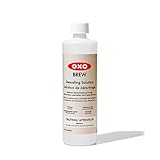
Overview: The OXO BREW All-Natural Descaling Solution offers an eco-conscious approach to maintaining your coffee equipment. This 14-ounce liquid formula works across all home coffee makers, kettles, water heaters, and humidifiers, breaking down mineral scale without harsh chemicals. Designed as a safer alternative to vinegar, it promises effective descaling without the pungent odor or aftertaste that can linger after DIY cleaning methods.
What Makes It Stand Out: This solution’s all-natural, phosphate-free, non-toxic composition sets it apart in a market dominated by chemical-heavy alternatives. Unlike vinegar, it’s completely odorless and leaves zero residue, making it ideal for households sensitive to strong smells. The fast-acting formula works efficiently while being gentle enough for regular use, and its universal compatibility means one bottle handles multiple appliances beyond just coffee machines.
Value for Money: A single 14-ounce bottle provides multiple cleaning cycles, typically 2-3 uses depending on your machine’s size. While priced higher than plain vinegar, it delivers professional-grade results without the drawbacks of DIY methods. Compared to manufacturer-specific descalers, OXO offers competitive pricing with broader appliance applications, making it cost-effective for households with diverse equipment.
Strengths and Weaknesses: Strengths include its truly odorless operation, all-natural ingredients, and versatile household applications. The phosphate-free formula is environmentally responsible and safe for septic systems. Weaknesses include a higher price point than vinegar and potentially requiring more product for heavy scale buildup compared to chemical alternatives. Some users may find the 14-ounce size limiting for multiple large appliances.
Bottom Line: For environmentally conscious consumers seeking a safe, effective descaling solution without vinegar’s drawbacks, OXO BREW delivers reliable performance. It’s an excellent choice for regular maintenance across various kitchen appliances.
7. Descaling Powder Solution - 4 Uses - Activated Scale Remover for use with Keurig 1.0/2.0, Home Coffee and Espresso Machines, Kettles, Garment Steamers

Overview: This powdered descaling solution provides four uses in a versatile formula designed for universal compatibility across virtually all coffee equipment brands. The activated scale remover targets Keurig, Nespresso, Breville, Jura, Delonghi, and standard drip machines, offering a comprehensive maintenance solution in powder form. It dissolves easily in warm water to create a powerful cleaning agent that extends equipment lifespan and restores optimal brewing temperatures.
What Makes It Stand Out: The powder format ensures concentrated cleaning power with a longer shelf life than liquid alternatives. Its activated formula works faster than vinegar while remaining completely odorless, preventing the unpleasant fumes and aftertaste common with DIY methods. The universal compatibility eliminates the need for multiple brand-specific cleaners, simplifying maintenance routines for households with different coffee machines.
Value for Money: Four individually measured uses provide a full year of quarterly maintenance for a single machine. The powder format offers excellent value per use, costing significantly less than manufacturer-branded liquid descalers. While slightly more expensive than vinegar, the superior performance and time savings justify the premium, especially for high-end espresso machines requiring regular care.
Strengths and Weaknesses: Strengths include exceptional versatility across brands, concentrated powder efficiency, and odorless operation. The formula effectively prevents heating element damage and component corrosion. Weaknesses involve manual mixing requirements and the need for warm water to ensure complete dissolution. The powder can be messy if spilled, and measuring accuracy depends on user carefulness.
Bottom Line: This universal powder descaler is ideal for multi-machine households seeking professional results without brand-specific premiums. It delivers excellent performance and value for dedicated coffee enthusiasts.
8. Effective Keurig Descaling Solution (2 Uses) – Universal Coffee Machine Descaler for Keurig, Nespresso, Breville, Delonghi

Overview: This two-use liquid descaling solution targets mineral buildup across major coffee machine brands including Keurig, Breville, Nespresso, Mr. Coffee, Delonghi, and Ninja. The straightforward formulation removes scale that affects both machine performance and coffee taste, emphasizing simplicity and universal application. Each bottle provides two complete descaling cycles, designed for biannual use.
What Makes It Stand Out: The product’s primary distinction is its no-frills approach—two clearly marked uses in a simple squeeze bottle without complex measurements. It focuses on core functionality: removing mineral buildup, extending machine life, and improving coffee flavor. The extensive brand compatibility list covers virtually every popular home coffee maker, eliminating guesswork for consumers.
Value for Money: With only two uses per bottle, the per-cycle cost runs higher than bulk powder or tablet alternatives. However, it matches or undercuts manufacturer-branded descalers while offering broader compatibility. For single-machine owners who descale exactly every six months, it provides convenient, pre-portioned dosing without waste. Multi-machine households will find better value elsewhere.
Strengths and Weaknesses: Strengths include foolproof dosing, extensive brand compatibility, and liquid convenience—no mixing required. The formula effectively restores heating efficiency and flavor clarity. Weaknesses are the limited number of uses, higher per-cycle cost, and lack of eco-friendly certifications. The small bottle size generates more packaging waste over time compared to concentrated alternatives.
Bottom Line: This descaler suits casual coffee drinkers with a single machine who prioritize convenience over long-term value. It performs reliably but lacks the economy for serious coffee enthusiasts or multi-appliance homes.
9. Descaling Powder Solution (6-Uses) Coffee Machine Descaler Cleaner | Compatible with Breville Keurig Nespresso Delonghi Ninja | To Descale Automatic Coffee Pots & Makers & Espresso Machines

Overview: This six-use powder descaler utilizes 100% food-grade citric acid in pre-measured single-use packets for convenient, eco-friendly maintenance. Compatible with all coffee maker types—from drip machines to Keurig, Nespresso, Delonghi, and Ninja systems—it emphasizes environmental responsibility and user safety. The citric acid formula naturally breaks down limescale without harsh chemicals, making it ideal for health-conscious households.
What Makes It Stand Out: The pre-measured sachets eliminate guesswork and potential spillage, offering mess-free convenience rare in powder products. Its 100% food-grade citric acid composition ensures complete safety while being genuinely eco-friendly and biodegradable. Unlike vinegar, it leaves zero aftertaste or odor, preserving coffee’s pure flavor profile. The six-use supply supports a year and a half of regular maintenance.
Value for Money: Six uses at a competitive price point create excellent per-cycle value, rivaling bulk powder options while adding convenience. The food-grade ingredient quality justifies a slight premium over generic powders, and the pre-measured format prevents waste from over-pouring. Compared to liquid alternatives, the concentrated powder reduces shipping weight and storage space.
Strengths and Weaknesses: Strengths include the eco-friendly citric acid formula, pre-measured convenience, complete odorlessness, and food-safe ingredients. The powder stores indefinitely without degradation. Weaknesses involve citric acid’s gentler action on heavy buildup, potentially requiring multiple treatments for severely neglected machines. The single-use packets create more packaging waste than bulk powder tubs.
Bottom Line: This descaler excels for environmentally conscious users seeking convenience without compromising safety. The pre-measured packets make maintenance effortless while delivering reliable performance for regularly serviced machines.
10. Coffee Machine Cleaner Descaler Tablets 34 Pack, Coffee Maker Cleaner for Keurig, Ninja, Breville, Delonghi, Nespresso, Miele,Espresso Machine Cleaning Tabs,Descaling Solution for Coffee Pot Maker

Overview: This bulk package of 34 descaler tablets provides a two-year supply for comprehensive coffee machine maintenance. The tablet format eliminates the mess associated with powders and liquids while delivering maximum efficiency against hard water buildup, calcium, limescale, grime, and oil residues. Compatible with an exhaustive list of brands including Breville, Keurig, Nespresso, Miele, and many others, these tablets deeply clean and deodorize internal components.
What Makes It Stand Out: The sheer quantity—34 tablets—creates exceptional long-term value, far exceeding typical 2-6 use products. Tablets offer the cleanest application method: no measuring, no mixing, no spills. The formulation targets not just scale but also coffee oils and grime, providing more comprehensive cleaning than basic descalers. The two-year supply means set-and-forget convenience for most users.
Value for Money: With per-tablet cost often under a dollar, this represents the best value in the descaling market. The two-year supply eliminates frequent repurchasing, and bulk packaging reduces environmental impact from shipping. Compared to quarterly liquid purchases, the savings are substantial. For households with multiple machines, the value proposition becomes even stronger.
Strengths and Weaknesses: Strengths include unbeatable per-use economy, mess-free tablets, extensive brand compatibility, and dual-action cleaning (scale and oils). The long shelf life ensures no degradation over two years. Weaknesses involve slower dissolution compared to powders, potentially requiring hot water to break down completely. The ingredient list includes sulfamic acid, which, while effective, lacks the “natural” appeal of citric acid-based products.
Bottom Line: For committed coffee drinkers seeking maximum value and convenience, these tablets are unmatched. The bulk supply and mess-free format make regular maintenance effortless and economical.
Why Descaling Matters for Occasional Coffee Maker Users
Understanding Mineral Buildup
Every drop of water carries dissolved minerals like calcium and magnesium that accumulate inside your coffee maker’s heating element and water lines. Even if you only brew occasionally, these deposits harden over time, creating an insulating layer that forces your machine to work harder. This buildup affects temperature consistency, water flow rate, and ultimately the flavor extraction from your coffee grounds. For occasional users, the problem often goes unnoticed until performance drops dramatically, because the machine sits idle between uses, allowing minerals to solidify.
How Occasional Use Actually Increases Scaling Risk
Counterintuitively, using your coffee maker less frequently can accelerate certain scaling problems. When water evaporates between brewing sessions, it leaves concentrated mineral deposits behind. These deposits become more stubborn and crystalline compared to machines that run daily. Occasional users also tend to skip regular maintenance routines, allowing months of buildup to accumulate unnoticed. A $15 descaling solution used quarterly costs pennies per month but can add years to your machine’s lifespan.
Types of Budget-Friendly Descaling Solutions
Citric Acid-Based Descalers
Citric acid powders represent one of the most cost-effective commercial options, typically providing multiple uses per container. These food-grade acids work by chelating mineral deposits, breaking them down into soluble compounds that flush away easily. Most formulations under $20 offer 4-8 applications, making each descaling cycle cost less than $3. They work across all coffee maker types and leave minimal odor compared to vinegar alternatives.
Vinegar-Based Formulations
White vinegar solutions, whether homemade or commercially prepared, remain the classic budget descaler. Commercial vinegar-based products often include surfactants and fragrances to reduce the lingering smell. At under $5 for a gallon of distilled white vinegar, this option provides the lowest per-use cost—often under $0.50 per descaling cycle. However, the acetic acid concentration (typically 5%) requires longer contact time and more thorough rinsing to prevent flavor tainting.
Commercial Powder Descalers
Powdered descaling packets offer pre-measured convenience and extended shelf life, crucial for occasional users. These formulations often combine multiple acids (citric, sulfamic, and malic) for broader effectiveness against different mineral types. A $12-15 box usually contains 2-4 packets, each designed for a single deep-cleaning cycle. The dry format prevents degradation over time, making it ideal for quarterly use.
Liquid Concentrate Options
Concentrated liquid descalers provide the convenience of pour-and-use simplicity without the mixing required for powders. Most budget-friendly bottles under $20 contain enough solution for 3-5 uses when properly diluted. These formulas often include corrosion inhibitors that protect aluminum and brass components found in older coffee makers. The liquid format dissolves faster than powders but requires careful measurement to avoid waste.
Eco-Friendly and Natural Alternatives
Plant-based and biodegradable descaling solutions appeal to environmentally conscious users. These products use naturally derived acids from fruits and vegetables, avoiding synthetic chemicals. While slightly more expensive per ounce, their concentrated nature means a $15 bottle often lasts a year for occasional users. Look for EPA Safer Choice or similar certifications that verify environmental claims without compromising effectiveness.
Key Features to Evaluate Under $20
Concentration Levels and Number of Uses
Always calculate cost-per-use rather than sticker price. A $18 container promising 8 uses costs $2.25 per cycle, while a $8 product with only 2 uses costs $4 per cycle. Check the fine print for recommended dilution ratios. For occasional use, prioritize products with resealable packaging and multi-year shelf life to prevent waste from expiration.
Compatibility with Your Coffee Maker Type
Not all descalers suit every machine. Single-serve pod systems often require gentler formulations than traditional drip coffee makers. Espresso machines with aluminum boilers need acid solutions specifically rated for non-ferrous metals to prevent corrosion. Check your manufacturer’s guidelines—using the wrong descaler can void warranties, costing far more than the $20 you saved.
Eco-Certifications and Biodegradability
Budget doesn’t have to mean environmentally harmful. Many sub-$20 descalers now carry legitimate eco-certifications like Green Seal or Ecologo. These products break down into harmless compounds after use, protecting both your machine and local water systems. For occasional users, the environmental impact per use is minimal, but choosing certified products supports sustainable manufacturing practices.
Odor and Residue Considerations
Vinegar-based solutions notoriously leave behind a pungent smell requiring multiple rinse cycles. Citric acid options typically rinse cleaner with less effort. Some budget powders include anti-foaming agents that prevent overflow during the descaling cycle. For occasional users who may forget to rinse thoroughly, low-odor formulas reduce the risk of sour-tasting coffee in your next brew.
Packaging Size and Storage
A gallon of vinegar requires pantry space and has limited shelf life once opened. Powder packets fit in a drawer and stay viable for years. Liquid concentrates in small bottles offer middle-ground convenience. Consider your storage constraints and how often you descale. Occasional users benefit most from compact, resealable packaging that won’t degrade between uses.
DIY vs Commercial Solutions: What to Know
The White Vinegar Method Explained
Mixing equal parts water and distilled white vinegar creates an effective descaler for under $1 per use. Run this solution through a full brew cycle, let it sit for 30 minutes, then run 2-3 freshwater cycles. The method works reliably but requires more manual effort and time. Vinegar’s 5% acidity means longer contact time compared to commercial formulations, typically 15-20% acid concentration.
Homemade Citric Acid Solutions
Food-grade citric acid powder costs about $8 per pound and provides 15-20 descaling cycles. Mix 1-2 tablespoons per quart of water for a solution that rivals commercial products. This DIY approach gives you control over concentration and eliminates mystery ingredients. Store the powder in an airtight container, and it remains potent for years—perfect for occasional users who need reliability without frequent purchases.
When Commercial Products Make More Sense
Commercial descalers include corrosion inhibitors that DIY solutions lack, protecting sensitive components like heating elements and rubber gaskets. They also rinse cleaner, saving water and time. For machines under warranty, using manufacturer-approved commercial solutions prevents coverage disputes. The $15-20 investment pays dividends in peace of mind and machine longevity, especially for occasional users unfamiliar with maintenance nuances.
Cost Comparison for Occasional Users
DIY vinegar costs $0.50 per use but may require 3-4 rinse cycles, adding water waste. Commercial powders average $2-3 per use but work faster and rinse cleaner. For quarterly descaling (4 times yearly), DIY methods cost $2 annually versus $8-12 for commercial options. The $6-10 difference buys convenience, speed, and warranty protection—worthwhile for most occasional users who value time over absolute minimal cost.
How to Use Descaling Solutions Effectively
Step-by-Step Descaling Process
Start by emptying the water reservoir completely. Mix your descaling solution according to package directions—never guess concentrations. Pour the solution into the reservoir and run a half-brew cycle, then pause for 15-30 minutes to let the acid work. Complete the cycle, then run 2-3 full reservoirs of fresh water to rinse thoroughly. For occasional users, setting a phone timer prevents forgetting the paused cycle.
Proper Rinsing Techniques
Inadequate rinsing leaves acidic residue that corrodes internal parts and sours coffee flavor. After the descaling cycle, fill the reservoir to maximum capacity with fresh water and run complete brew cycles until the water tastes neutral. Test by brewing plain water and letting it cool—any sharp taste indicates incomplete rinsing. Occasional users should err on the side of extra rinse cycles since machines sit idle between uses, allowing residue to concentrate.
Avoiding Common Mistakes
Never mix descaling solutions with other cleaners, especially bleach, which creates toxic fumes. Don’t exceed recommended concentrations thinking “more is better”—this damages seals and heating elements. Avoid using hot water to mix powders, as it can cause premature reactions. For occasional users, the biggest mistake is waiting too long between descalings; set calendar reminders every 3-4 months regardless of usage frequency.
Safety and Maintenance Tips
Protecting Your Machine’s Components
Descaling solutions work by dissolving minerals but can also attack metal components if left too long. Never let solution sit overnight in your machine. Remove charcoal water filters before descaling, as acids destroy their filtration capability. For espresso machines with three-way solenoid valves, run a short extraction cycle mid-descale to clear the valve. Occasional users should inspect gaskets and seals annually, as acids can accelerate aging in already-worn parts.
Handling Chemical Descalers Safely
Even food-grade acids can irritate skin and eyes. Wear gloves when handling concentrated powders or liquids. Mix solutions in a well-ventilated area and avoid inhaling dust. Keep descalers away from children and pets—packaging may look similar to drink mixes. If spilled on countertops, wipe immediately with a damp cloth; citric acid can etch certain stone surfaces if left to dry.
Storing Solutions Properly
Powder descalers belong in airtight containers away from humidity. Liquid concentrates should stay sealed in original bottles, stored upright to prevent leaks. Keep all descalers in a cool, dark cabinet—not under the sink where temperature fluctuations occur. For occasional users, write the purchase date on packaging with a permanent marker, so you know when to replace old stock that may have lost potency.
Maximizing Value for Occasional Use
Single-Use vs Multi-Use Packaging
Single-use packets prevent waste from improper storage but cost more per cycle. Multi-use containers offer better value if you can store them properly. For truly occasional users (descaling twice yearly), single-use packets ensure fresh, potent solution each time. Moderate occasional users (quarterly) save money with multi-use containers, provided they seal tightly after each opening.
Shelf Life Considerations
Most commercial descalers remain effective for 2-3 years unopened. Once opened, powders last 12-18 months if kept dry; liquids last 6-12 months. Vinegar has an indefinite shelf life but can absorb odors from its environment. Check expiration dates when buying, and choose products with at least 18 months remaining for occasional use. Buying “clearance” descalers near expiration often wastes money if you won’t use them promptly.
Buying in Bulk vs Small Batches
A $15 four-pack of single-use packets costs more per ounce than a $20 8-use container, but the smaller investment lets you test effectiveness before committing. For occasional users, bulk purchases only make sense if you descale consistently and have proper storage. Otherwise, the solution may degrade before use, negating any savings. Consider splitting a multi-pack purchase with a friend who also owns a coffee maker.
Frequently Asked Questions
How often should I descale if I only use my coffee maker on weekends?
Descale every 3-4 months regardless of usage frequency. Mineral buildup occurs even when the machine sits idle, as water evaporates and leaves concentrated deposits. Occasional users might stretch to 5-6 months if using soft water, but regular quarterly descaling prevents performance issues.
Can I use lemon juice instead of citric acid powder?
Fresh lemon juice contains only 5-6% citric acid, requiring large quantities and leaving pulp residues that clog lines. It’s not cost-effective or practical. Food-grade citric acid powder provides pure, concentrated results without organic matter. Save lemon juice for cooking.
Will descaling void my coffee maker’s warranty?
Using manufacturer-recommended descaling solutions typically preserves warranty coverage. Some brands require specific formulations, especially for espresso machines. Check your manual before using DIY methods. Commercial solutions with corrosion inhibitors are safest for warranty protection.
Why does my coffee taste sour after descaling?
Sour taste indicates incomplete rinsing. Acid residue remains in the system, affecting pH. Run 3-4 additional full reservoir cycles with fresh water. Taste-test cooled water after each cycle until neutral. This is especially critical for occasional users who may not rinse thoroughly.
Are vinegar and citric acid equally effective?
Citric acid is generally more effective at dissolving calcium carbonate scale, the most common buildup. Vinegar works but requires longer contact time and more rinsing. For occasional users, citric acid’s faster action and cleaner rinse justify the slightly higher cost.
Can I descale a coffee maker that’s been unused for a year?
Yes, but expect to repeat the descaling process. Heavy, hardened deposits may require two cycles. Start with a mild solution to avoid dislodging large chunks that could clog lines. If the machine shows error codes or leaks, professional servicing may be needed.
How do I know if my water is hard enough to need descaling?
Visible white deposits on the carafe lid or in the water reservoir indicate hardness. You can test with inexpensive water hardness strips (under $10 for 50 tests). Anything above 120 ppm (7 grains) requires regular descaling. Well water users should descale more frequently.
What’s the cheapest effective descaling method?
Equal parts white vinegar and water costs under $0.50 per use. However, factor in water waste from extra rinse cycles and your time. For true minimal cost, DIY citric acid powder at $8 per pound provides 15+ uses at about $0.55 per cycle with better performance.
Can I reuse descaling solution for multiple cycles?
Never reuse solution. Once acids react with minerals, they become neutralized and ineffective. Reusing wastes time and risks incomplete descaling. The small savings isn’t worth compromised performance. Always mix fresh solution for each descaling session.
Do single-serve machines need different descalers than drip coffee makers?
Most modern single-serve systems have aluminum components requiring gentler acids. Some brands sell proprietary descalers. Check your manual. Universal citric acid-based descalers usually work, but avoid harsh sulfamic acid formulations unless specified as compatible. When in doubt, contact the manufacturer.
See Also
- 10 Must-Have Ceramic Espresso Cups for Daily Use in 2026
- How to Solve Poor-Tasting Coffee with the 10 Best Water Filter Cartridges in
- 10 Premium Travel Coffee Mugs for Professionals (Worth the Investment)
- 10 Best Pod Machine Descaling Solutions for Keurig and Similar Systems in 2026
- 10 Essential Water Filters for Coffee Machines Every Café Owner Needs in 2026